The privacy of old human remains

Should we consider the privacy of people in the past? Is the concept relevant, or applicable? Is privacy only a concern for the living in our contemporary moment – so obsessed by the boundary between the personal and the private in a constantly marketing and sharing economy, or is privacy a more universal human right? What duties do we have to past persons (to paraphrase the excellent PhD thesis by Malin Masterton)?
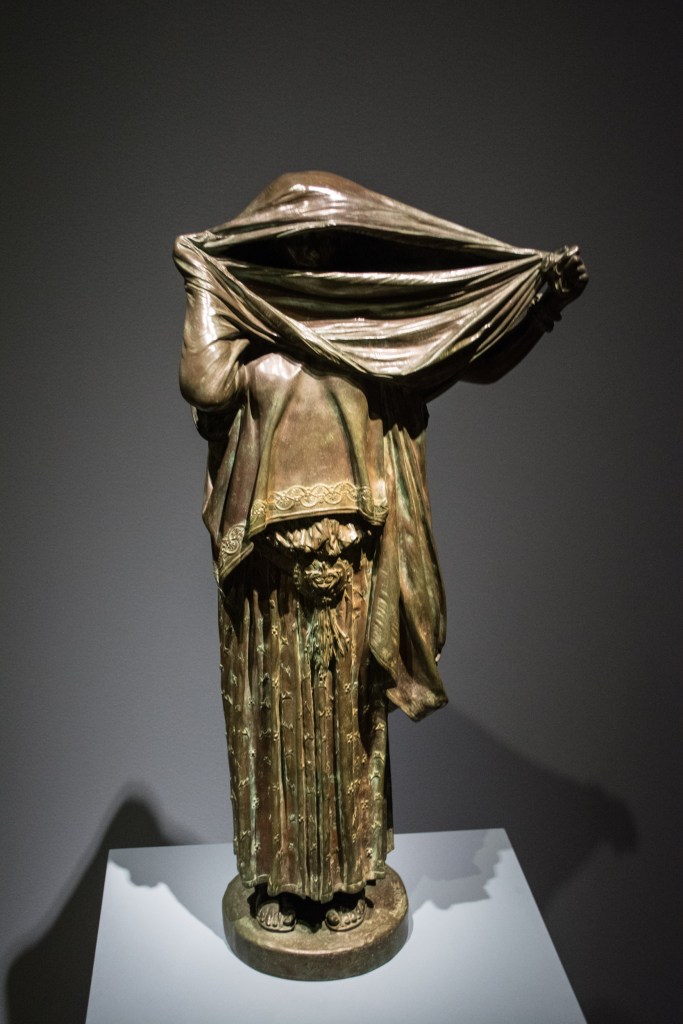
Woman With Veil – Cleveland Museum of Art (33666109413).jpg” by Tim Evanson from Cleveland Heights, Ohio, USA is licensed under CC BY-SA 2.0. 

October 12-13, 2023 Ethical Entanglements participated in a conference at the Center for Privacy Studies at the University of Copenhagen, called Privacy and Death: Past and Present. The conference was interdisciplinary, with contributions from history, classics, archaeology, theology, law, and ethnography, and explored a range of issues touching on the broader issues of privacy and death. Ethical Entanglements contributed with two papers: Nicole Crescesnzi presented the paper: Human Remains and Privacy – a Contemporary Bias? and Liv Nilsson Stutz and Rita Peyroteo Stjerna presented The New Frontiers of Postmortem Privacy: Negotiating the Research Ethics of Human Remains in the Era of the Third Science Revolution in Archaeology.
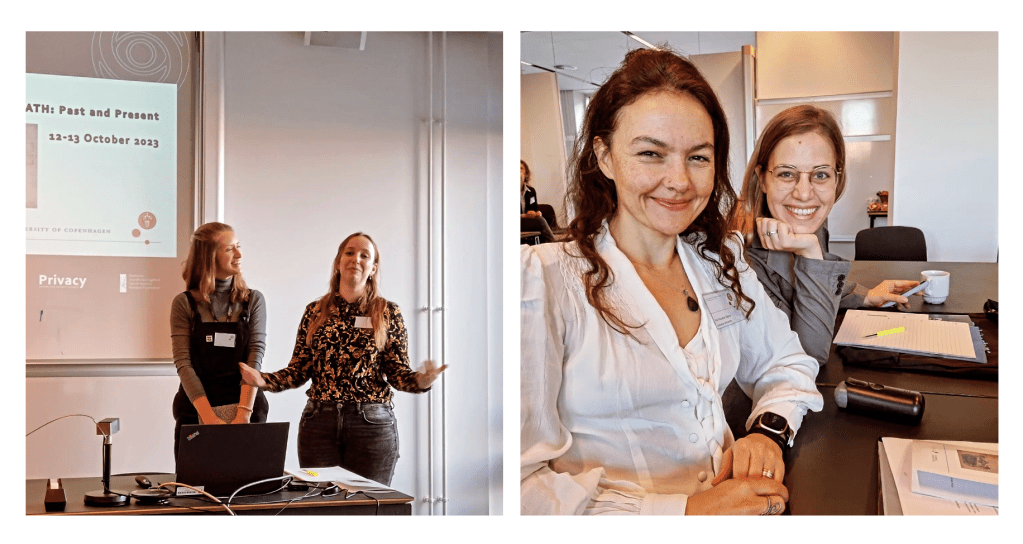
Left: The organisers of the conference Felicia Fricke and Natacha Klein Käfer welcome the attendants. Right: Rita Peyroteo Stjerna and Nicole Crescenzi before their presentations. Photos by Liv Nilsson Stutz.

The privacy of old human remains is an issue that tends to lie at the periphery of our debates. There is rarely any explicit discussion about it, but we increasingly see the emergence of professional practices that may indicate a growing consideration, albeit almost invisible. One example of this is how human remains today, sometimes, are blurred in public presentations. If you are a regular reader of this blog, you may have noticed that we also do this from time to time. Another is the signage that is becoming more common, especially in anatomical and pathological exhibitions, of a no photography policy. It is quite possible that there are multiple reasons for this, and it is rarely explicitly stated that this is to protect the privacy of the dead, but it speaks of an awakening sensibility. In some rare cases, as shown below (right) in the signage at the Anatomical Museum at the University of Edinburgh, the sign elaborates on the reason, and in the process, it triggers reflection and raises awareness. In this context it is an explicit and integrated part of the university training of future professionals working in the field, but perhaps this would be useful also in more public exhibitions.
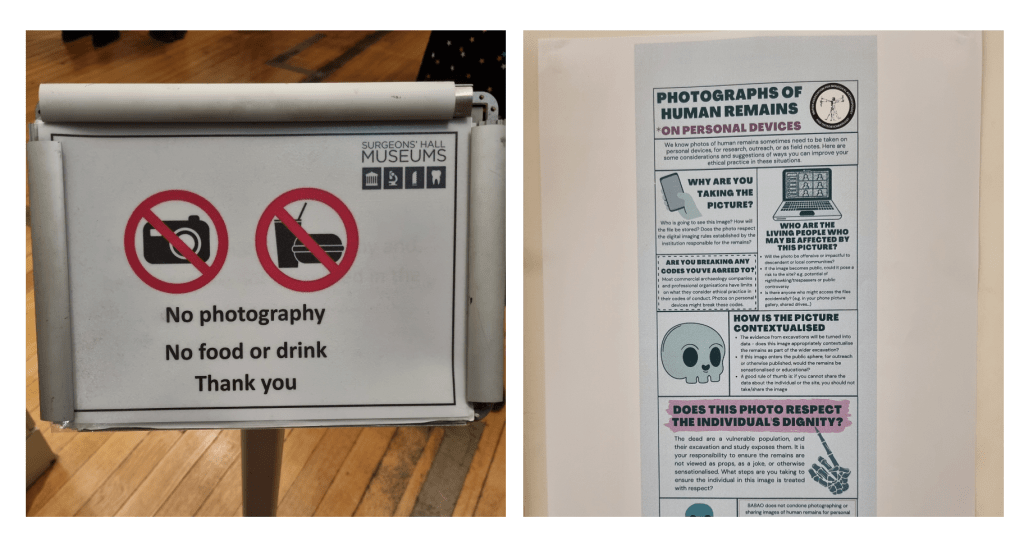
Signeage restricting photography of human remains. Left: at Surgeon’s Hall in Edinburgh, and Right: in the Anatomical Museum at the University of Edinburgh. Photos by Liv Nilsson Stutz.

These types of signs are much more rare, and perhaps even non existent in archaeological exhibitions, demonstrating yet again the gradual move on the spectrum of lived life toward object of science with the age, state of preservation, and disciplinary categorisation of the specimen. Sometimes a sense of respect and dignity is alluded to in the ways in which the human remains are exhibited also in archaeological museums, for example through separation to a reserved space, and dimmed lighting. However, the topic is very rarely addressed head on, and if anybody’s sensitivities are considered in archaeological and historic exhibitions, it is in general the contemporary visitor’s. Nicole Crescenzi’s work on the public’s reception of these types of exhibitions across Europe shows that there are multiple ways in which the exhibition is experienced.

The conference raised many important issues, and several fascinating talks on topics from problematic collections to contemporary mourning practices, that all led to stimulating discussions. For Ethical Entanglements is was especially interesting to see the overlaps of concerns and shared challenges in the keynote address by legal scholar Edina Harbinja entitled An Uneasy Relationship Between Post-mortem Privacy and the Law. She defines post-mortem privacy broadly as the right of a person to preserve and control what becomes of his or her reputation, dignity, secrets, or memory, after death (see also Edwards and Harbinja 2013). While Dr Harbinja’s work is focused on the contemporary digital world, the fundamental questions it raises concern, in our opinion, also the long dead and research ethics in our fields. She proceeded to introducing the term of post-mortal privacy which protects informatised bodies expressed, stored, mediated, and curated through technology – as an immortality by proxy. In our contemporary world this refers to images shared and data stored online and in cloud services and on platforms held by private companies. But, what about the research data we extract from old human remains and share as part of our research activities? These issues relate immediately to the presentation by Liv Nilsson Stutz and Rita Peyroteo Stjerna on the attitudes to postmortem privacy in bio-molecular archaeology, and where Rita’s work, collecting data through interviews with scientists working in the fields, shows both a need and a desire for more thorough professional ethical development in this emerging and constantly changing field.

Can we turn the key to protect private data from spreading – and if we do, does that not violate standards for good scientific practice?

Can we turn the key to protect private data from spreading – and if we do, does that not violate standards for good scientific practice? The challenge, of course, is to determine what such a new practice might look like. With multiple ethics at stake, and with best practices sometimes in complete conflict with one another – for example Open Data vs respect for post-mortem/post-mortal privacy, the challenge is complex. Ultimately we come back to the same question: who still counts as a person enough to deserve this kind of consideration. The answer is not obvious.
“Privacy” by rpongsaj is licensed under CC BY 2.0. 

The work also has interesting relevance for thinking about museums. Through her research, Dr Harbinja could see that a lot of the progress to think through and identify solutions on behalf of social media platforms such as Facebook, with regards to post-mortem privacy, emerged ad hoc. Somebody in the company started to think about this as they experienced the death of a client who was also a loved one – for example a parent. It struck me that there is a similarity here between the social media giants and museums: they both store sensitive and valuable things, they have inward facing and outward facing responisbilities, and – they both react ad hoc. It is a learning process, but it is also one that in the very moment teaches you to be better prepared the next time if you want to be able to serve your stakeholders well.

Featured image: “PRIVATE NO ENTRY” by Brad Higham is licensed under CC BY 2.0.

Meeting of Minds. Ethical Entanglements and The Human Remains Project in Liverpool….and a gibbet site.

When we discuss ethics with regards to human remains in archaeology and history, we tend to focus on the present, its challenges, its needs, and its sensibilities. How to best care for human remains in museums and research is indeed the fundamental question for Ethical Entanglements. But, what about in the past? How did people in the past feel about opening tombs and graves; how did they practice exhumation, what did they think about it, and what debates surrounded this practice? How can the insight into past experiences, values, and practices, be helpful tools as we encounter historic human remains in the present?

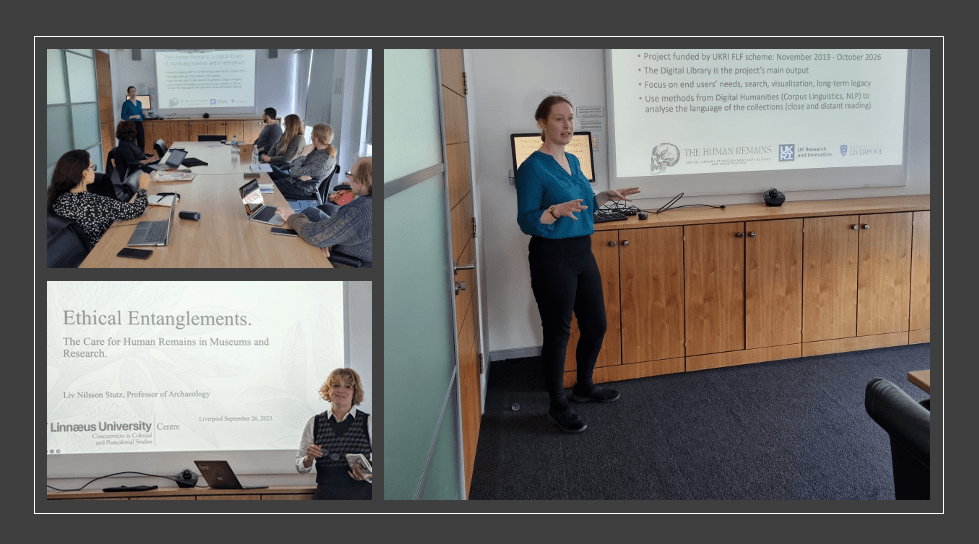
Presentations and discussions with the project teams of The Human Remains and Ethical Entanglements at the University of Liverpool. Photos by Liv Nilsson Stutz and Rita Peyroteo Stjerna.

These questions are central to the research project The Human Remains: Digital Library of British Mortuary Science and Investigation, headed by Ruth Nugent at the Department of Archaeology, Classics and Egyptology at the University of Liverpool.

This impressive research project aims at investigating the history of  exhumation, investigation, reburial, and recording of human remains from Christian contexts in Britain from the 7th to the 19th century. The project creates a corpus of knowledge and references that will be of great value, both for interdisciplinary academic scholarship for anybody interested in historical practices and attitudes to death, the body, decay, the afterlife, etc – but also as a support for professionals working in contexts where they encounter historical human remains from Christian contexts, including museum professionals, contract archaeologists, and cathedral managers and workers.

On September 26, the Ethical Entanglements Team had the pleasure to spend an afternoon with The Human Remains Team (Ruth Nugent, James Butler, Glenn Cahilly-Bretzin, Katherine Foster, and Thomas Fitzgerald). After a general introduction of the two projects by the PI:s, we launched into a discussion on a range of topics where we found that the two projects share overlapping research interests, including asking what it means to treat human remains “with respect,” and how our research can best support decision makers today in their encounter with human remains – whether it is people working in contract archaeology, cathedrals, or museums. We also discussed how the context may affect the professional ethics and reflection, and what one context can learn from the other. Our conversations explored how to handle contemporary anxieties around human remains, and the elusive yet central concept of “respect” with regards to historic collections and professional ethics.

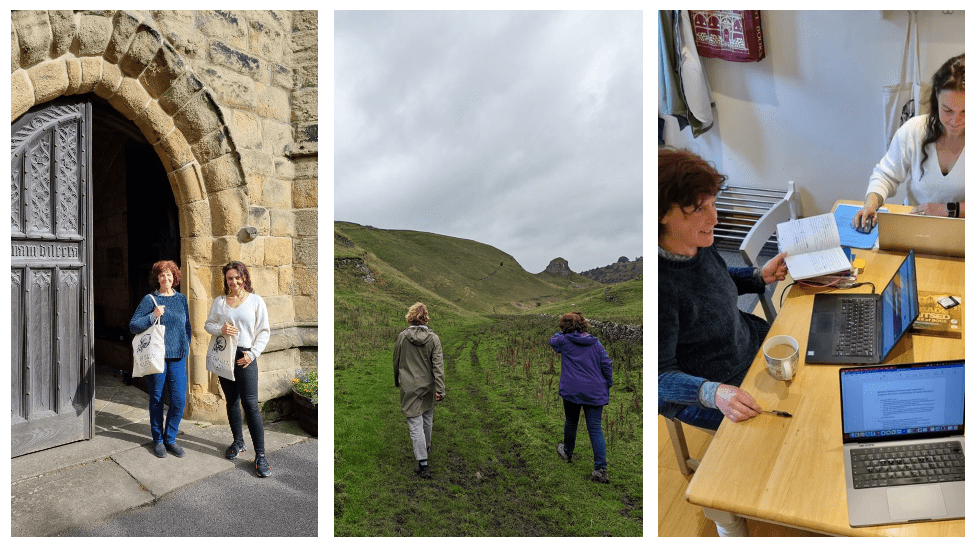
Left to right: Sarah and Rita in front of the church in Tideswell; Liv and Sarah on the path to the gibbet site at Peter’s Stone – a prominent feature in the landscape of Cressbrook Dale in Derbyshire; Sarah and Rita writing at the cottage in Tideswell. Photos by Liv Nilsson Stutz and Rita Peyroteo Stjerna.

After the visit at the University of Liverpool, the Ethical Entanglements team spent a few days on a writing retreat in the Peak District. Between writing sessions at our small cottage in Tideswell, we made visits to local sites that inspired us to think about several dimensions of past practices. At the the beautiful local church in Tideswell we saw a small but dynamic church community that, as indicated by large fundraising signs posted in the church yard, struggled to make ends meet as they cared for both a living community and a rich cultural heritage. If you are dealing with the considerable financial burden of keeping up your historic church buildings, the care for the dead buried in the church yard, under the floors, and potentially elsewhere, is presumably a factor you must always consider, and one that is not always easily solved. A visit to the historic gibbet site Peter’s Stone in Cressbrook Dale inspired us to think about the historic practice of extending criminal punishment beyond death to affect the corpse through violence and humiliation, a topic Sarah has written extensively about in her book (with Emma Battell Lowman) Harnessing the Power of the Criminal Corpse. While local history and folklore seems to offer different accounts in the details, the corpse of a murderer was gibbeted here after being hanged for the crime of murder. A quote form “Worm Hill – the History of a High Peak Village” by Christopher Drewry sums up the economy of death and punishment, the public spectacle of the gibbeting as meaningful (and popular) cultural practice, and the landscape of dread that would have been at least part of the characteristic of places like these (see also The Landscape of the Gibbet by Sarah Tarlow and Zoe Dyndor 2015):

The costs of this horrendous ritual were not insubstantial – £31-5-3 for the investigation leading up to the arrest; £53-18-8 for the gibbeting and £10-10-0 for the gaoler and escort from Derby to Wardlow. Such was the public fascination with the event however that the vicar of Tideswell found none of his congregation in church on the day of the gibbeting but all of them and more at Wardlow where he took the opportunity of delivering a sermon of fire and brimstone under the gallows. Lingard’s skeleton is alleged to have hung on the Wardlow Mires gibbet in chains until it was finally removed 11 years later on 20th April 1826 after complaints about the gruesome chattering of the bones in the wind. The site of this hanging would have been the so-called Gibbet Field at Wardlow Mires where other hangings are reputed to have taken place earlier, including one of a notorious highwayman called Black Harry who was finally apprehended in Stoney Middleton Dale in the 18th century.

https://derbyshireheritage.co.uk/misc/peters-stone-gibbet-rock-wardlow-mires/

Beyond the contextual, there is something here – something about how despite the fact that gibbeting was a sanctioned cultural practice, also teaches us that even across that cultural divide, there was a line that was being crossed. Deliberately.

In addition to providing a beautiful walk, this place provides a concrete experience to think about the passing of time and the changes in culture, and inspires us to reflect if there is such a thing as an ethical fixed point to provide support as we reflect on what it means to be ethical when handling old human remains.

Featured images: Left: Walking toward Peter’s Stone; and Right: the Red Brick Building at the University of Liverpool, photos by Liv Nilsson Stutz and Rita Peyroteo Stjerna

Ethics and the Virtual

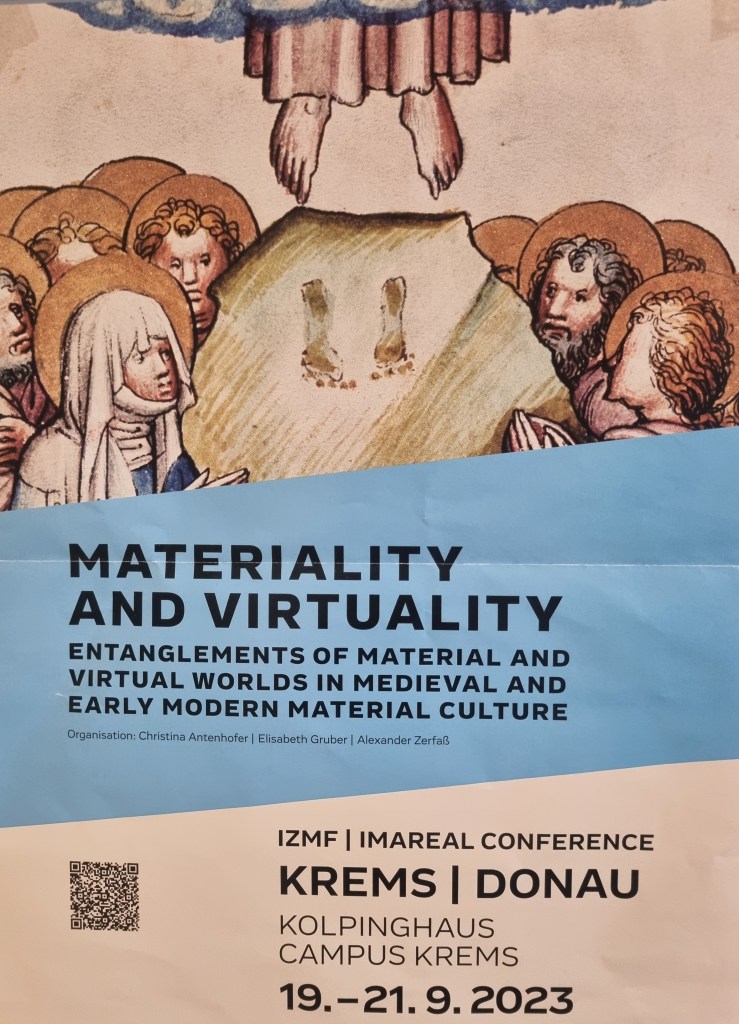
This past week (Sept 19-21, 2023) I had the pleasure to assist at a conference in Krems, Austria, called “Materiality and Virtuality. Entanglements of material and virtual worlds in medieval and early modern material culture,” hosted by IMAREAL (The Institute for Medieval and Early Modern Material Culture). The research centre applies a research perspective they call “Sensing Materiality and Virtuality” as they focus on cosmological realms of the past, such as the German-language afterlife journeys of the High and Late Middle Ages, and “the thought form of the virtual and its interaction with the materiality and sensuality of the body and world.”

One basic principle of this approach is the Aristotelian meaning of virtuality as “capacity” or ‘”dynamis” that does not come to action, but nevertheless has an effect on reality.

“The virtual is not physically present, but it is ‘seemingly real’ (being a simulation that has real effects). It is not material, but nevertheless existent – the latter distinguishes it from fiction. The virtual has real effects, because it refers as potentiality to its actualization and is effective in this reference.”

IMAREAL

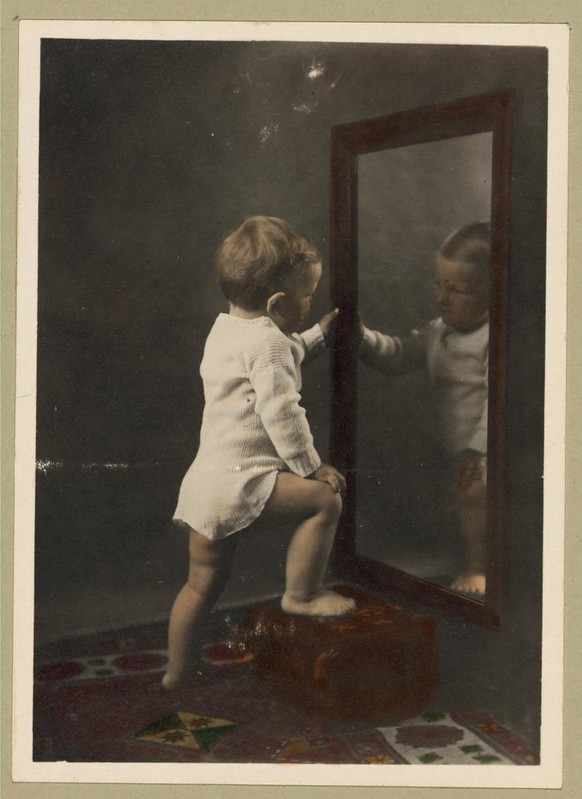
To clarify their position, IMAREAL uses the mirror as paradigm: here the virtual unfolds on the surface of the material – the reflection is the result of causal interactions at the material level. And while the virtual only unfolds on the surface of the material, it has real effects “because we actualize it on the reflecting body.”

I sure am good looking in my pajamas … Vintage Picture of a Cute Young Boy Looking at His Reflection in the Mirror” by Beverly & Pack is licensed under CC BY 2.0.

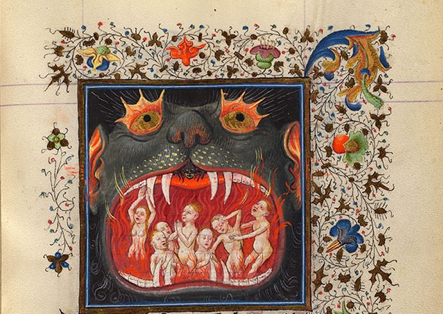
IMAREAL argues that this property – dynamis – capacity and ability to move, did not enter the world with postmodernism and contemporary virtual reality technology, but has probably always been a part of human culture, and one that can definitively be traced in medieval artwork, architecture, and material culture. In a medieval world, and in particular when considering the afterlife, the concept of the body/soul, creates an interesting paradox. The afterlife journey, potentially including heaven, hell, and purgatory, are transcendentary – not conceived of as material, but with long lasting effect on reality, and it is undertaken by the double corporeality of the dead – the physical remains, buried in the ground and left on earth, and the avatar soul that wanders on into the afterlife. Central to this world view however, is the soul’s maintenance of a certain corporeality – one that can be tortured in purgatory and burn in hell. The soul is thus not completely shedding its metaphorical skin – the avatar is a virtual, and while it no longer is understood as material, it still has “the capacity of the corporeal” (e.g. in the sensation of pain).

The immaterial soul/body that can still feel pain. Illustrated by Medieval Hellmouth 1. Cropped image of MS M.917/945, p. 180–f. 97r in The Hours of Catherine of Cleves.

When relating this to research ethics and human remains, it strikes me that the complex nature of the cultural understanding of the human body that we encounter in the debates about research ethics and reburial, resonates with this framework of entanglement between the virtual and the material. The dead body is simultaneoulsy striking in its materiality and the embodiment of a lived life. The virtual emerges from the surface of the bones (or other materiality). This is where the ethical dilemma presents itself as we seek to understand how to best care for them. We wonder if the human remains on the shelves in the museum storage still feel something – if they experience limbo and displacement. If they would consent to being there.

“Questions relating to subject and object, to their distinction and their union, should be put in terms of time, rather than of space”

henri bergson, matter and memory

Bergson’s idea of the relationship between the material and the virtual departs from the neural capacity of the human body, with the nervous system as a “material symbol” of the inner energy we call memory. The capacity for memory allows for humans to depart from their here and now, and in a way extricate themselves for a period of time. Although Bergson does not elaborate on rituals specifically, it appears that this model of the virtual can be connected to Catherine Bell’s concept of ritualisation as a strategic way to act to, in a sense, fire up a connectedness to the overall structure – a continuous whole, which in a Bergsonian sense is a continuity of material extensity in which each individual moves as connected parts of a whole. Yet, we as individuals also function in a time space continuum and through material bodies, and hence the material and the virtual is situated in time and connected to memory.

Building on Bergson, Deleuze elaborated on the term of virtuality, bringing it into closer contact with the real, arguing that it is an aspect of reality that is ideal, but nonetheless real. The virtual is thus not opposed to the real, but opposed to the “actual.” The “real,” he argued, is opposed to the “possible,” thus introducing a movement toward possible realisations, through the concept of duration.

While the conjoined twins previously on display at the Museum of Natural History in Gothenburg (and subsequently cremated) may not actually have felt anything, our encounter with their materiality moves us, and triggers associations in us that enters into a virtuality in which they do. Photo published by Swedish radio and intentionally blurred for this blog.

I am not a philosopher, and I no doubt simplify these complex thoughts in absurdum, but what I take form this is that the idea of elaborating with the connections between the virtual and the material may be fertile ground for further critical examination of the category “old human remains,” as situated in the space between the material and the virtual, between the object and the subject, between the past and the present. In this liminal space lies a multitude of dimensions to explore. To bring the issue back to a series of immediate and concrete challenges, this framework could be valuable as we explore the complexities of 3D-reproductions for display and researech. The relationship between the materiality of the original and the materiality of the copy passes through a digital and virtual space – like the metaphoric mirror, yet enters back into a the world in a materiality that potentially prompts all the ethical issues embedded in the original and authentic specimen – with added dimensions of ownership and control, no longer only of the original, but of the copy as well. But the concepts of virtuality and materiality also brings us back to the foundational questions of the project:

  • does the age of old human remains affect the relationship between the subject and the object?
  • can the materiality of the human remains ever be separated froheorym the virtuality that unfolds from our encounter with them, and to what extent is can this virtuality be separated from the cultural context of the encounter? Is there such a thing as an invariably essential virtuality, or can it only emerge in each encounter, making it potentially endlessly variable?
  • To what extent do we all feel compelled to enter into contact with the virtual as we encounter the materiality of human remains? Are they inhabited by some sort of universal quality that in this respect, transcends cultural difference?

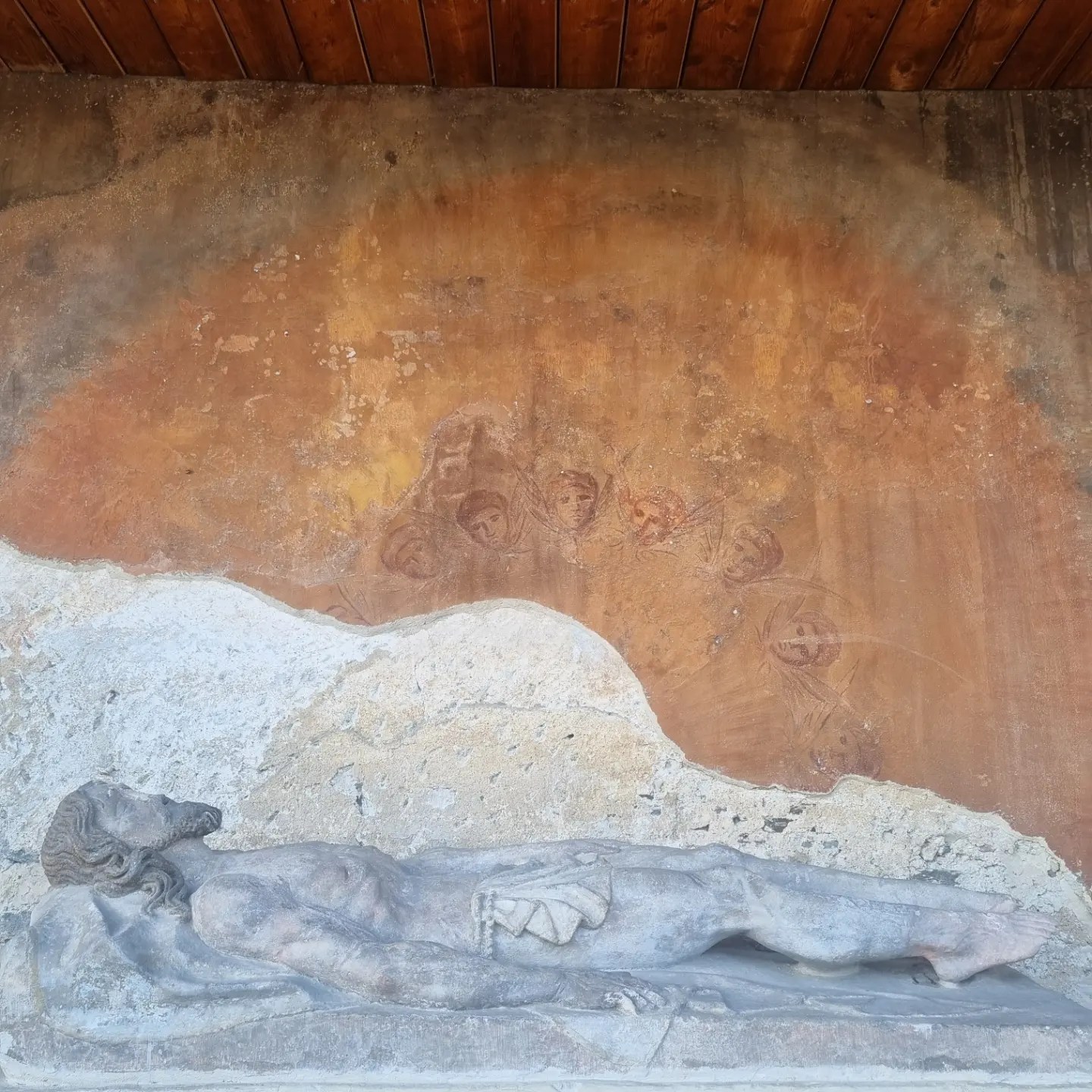
Featured image: the body of Christ. Piarist Church of Our Lady, Krems. Photo by Liv Nilsson Stutz

Exploring the Ethics of Human Remains at the Annual Meeting for the European Association of Archaeologists in Belfast .

The European Association of Archaeologists convened at Queens University in Belfast for their annual meeting, August 30th to September 2nd, 2023.

Conference mood. Photo: Liv Nilsson Stutz

Two events immediately touched on the ethical dimensions of human remains, and Ethical Entanglements was present at both of them. The first was a session entitled “From What Things Are to What They Ought to Be: Ethical Concerns on Archaeological and Forensic human remains, organized by Clara Viega-Rila, Angela Silva-Bessa, and Marta Colmenares-Prado. The session included 11 papers with contents ranging from the ethical considerations at the the molecular level of human remains, to the ethics of repatriation, museum practices and contract archaeology.

Aoife Sutton- Butler discussed her survey of visitors to museums with anatomical and pathological collections with regards to “potted specimen.” The survey demonstrated that an overwhelming majority of people tend to both accept and value the opportunity of viewing these human remains on display. The general representation of the study can be discussed since it only included people who had elected to visit these museums, but among the interesting insights was that many said that the experience allowed them to identify with the the person in the past – thus challenging assumptions often made that potted specimen automatically are a form of objectification. An interesting detail in the study was that the use of potted specimen in teaching helped students in osteology to think more carefully and intentionally about the personhood of the individual, and about pain and suffering. 

Example of “potted specimen” [File:Fig-1-Photograph-of-the-teratological-collection-in-the-Museum-for-Anatomy-and-Pathology-of-the-Radboud-University-Medic.gif, by Lucas L. Boer, A. N. Schepens-Franke, J. J. A. Asten, D. G. H. Bosboom, K. Kamphuis-van Ulzen, T. L. Kozicz, D. J. Ruiter, R-J. Oostra, W. M. Klein is licensed under CC BY 4.0.]

Constanze Schattke and colleagues form the Natural History Museum in Vienna presented another study that looked at public opinion, in this case with regards to repatriation of human remains from non-European contexts. Their approach to the topic was to analyse newspaper articlas and their online comments section, and code pro and con attitudes. They concluded that while there is are still different views on the topic, over all, the public is more positive to the repatriation of human remains than to the return of objects, which indicates – once again, that human remains are not perceived as neutral objects.

In her thoughtful and problematising paper “Sentenced to Display,” Ethical Entanglements member Sarah Tarlow prompted the room to question the ethics of the display of the human remains of known historic criminals. While the encounter with these infamous bodies in surrounded by a certain level of glamour and thrill, we must also ask to what extent the display of these bodies in museums today simply prolongs the abandoned practice of punishment by display.

I (Liv Nilsson Stutz) presented a paper – “Handling Liminality” – on the results of the survey of the handling of human remains in Swedish museums (also recently published in the International Journal of Heritage Studies) with a focus on the theoretic model of viewing old human remains on a spectrum between objects of science and lived lives.

Ethical Entanglements member Rita Peyroteo Stjerna presented a thought provoking paper entitled “The Multiple Ethics of Biomolecular Research on Human Remains: Researcher’s Perspective” on the emerging ethical challenges relating to the new methods for analysis often associated with the Third Science Revolution in Archaeology – including issues relating to the privacy of the dead, the unbalanced relationship in knowledge production, and curation and preservation. Her paper presented insights gleaned from interviews with laboratory based scientists, and advocated for the a more proactive engagement with the development of professional ethics that also includes these researchers in the conversation.

Ina Thegen and Clara Viega-Rilo both addressed the challenges of contract archaeology in Denmark and Spain respectively, with lessons learned and thoughts about and how to best engage with multiple and embedded stakeholders including the public, the media, descending communities, and communities of faith.

Three papers engaged in different ways with the legal regulation and process of professional ethics. Sean Denham presented the Norwegian model where research on old human remains, and while recognising the multi-disciplinary character of the research, is included under the broader umbrella of the National Research Ethics Committee, and a special advisory committee. Angela Silva-Bessa problematised the double standards for body donations and the handling of the dead before and after death, with a special focus on the cultural context of Portugal where the cultural practice allows for exhumation of burials as soon as 3 years after death – with teh assumption that the family cremates the remains or moves the remains to an ossuary. But the family is not always able to care for the remains, and they can also be donated to osteological collections. Silva-Bassa asked several important questions: Can this practice be better regulated? Should cemeteries have access to donation registers to be able to see if the person buried would object to being used in this way. Should there be another registry? Nichola Passalacqua and colleagues shared current American standards for forensic science.

Nicole Crescenzi getting ready to present at the Roundtable on illicit trade. Photo: Liv Nilsson Stutz

Ethcial Entanglements affilliate Nicole Crescenzi presented her work in a Round Table Session on illicit trade, where she focused on unforeseen ethical challenges of the new EAA recommendations to increase the use of 3D-copies of bones and other human remains. While this at first glance appears to be a convenient short cut around the growing critique against exhibiting authentic human remains, she argued, the technology itself opens up a whole new Pandora’s box of ethical issues, including ownership, control and reproducibility.

Between Objects of Science and Lived Lives

On July 25 (2023), the International Journal of Heritage Studies published (open access) the article “Between Objects of Science and Lived Lives. The legal liminality of old human remains” by Liv Nilsson Stutz, which is the first major article published for Ethical Entanglements. The article serves several purposes: 1) it presents a summary of the results from the survey of Swedish museums practices; 2) it reviews Swedish law with regards to the handling of different categories of human remains; and 3) it frames these analyses within the theoretical model that views human remains as moving along a spectrum between objects of science and lived lives – a theoretical foundation for Ethical Entanglements:

To capture the complexity of the category ‘human remains’, conceptually, legally, and scientifically, our research project ‘Ethical Entanglements’ relies on a model that sees them as moving on a spectrum between being objects of science and lived lives. This model is not intended to lead to any conclusion about how they should be handled, or define how we personally view them, but rather to capture the range of how they historically have been, and still are perceived, categorised, and handled – from the view of the remains as being a relative or an ancestor, to a view represented by the practice of predominantly scientific collection and curation – as objects to be studied. In between lies the range of levels of entangled object- and subjecthood that resonates through all the different aspects of the ethical challenge. Where along the spectrum, between object and subject, any given human remain is perceived to be located depends on several factors including provenance, research history, level of familiarity, level of information, state of preservation, and age, but also current political and cultural debates, cultural concerns, religious and spiritual convictions, and political needs.

The review of the legal instruments clearly demonstrates that there is a distinction made between the recently dead whose remains are covered by laws regulating medical practice, medical research, declaration of death, and burial – and old human remains, which are reduced to cultural heritage, often by proxy to remains resulting from living people’s actions – such as burials practices, commemorative practices, or ritual practices. The recently dead are viewed as subjects, the long dead as objects. But both researchers and the public know that it is not quite that simple.

In the front: The remains of a 7-year old child, with evidence of hypoplasia on the tooth enamel indicating stress related to food insecurity or possibly disease. In the back: a child cranium with healthy teeth. From the Nesolithic collective burial in Rössberga. Exhibition at the Swedish History Museum. Photo by Liv Nilsson Stutz. Intentionally blurred.

The article demonstrates that there is no real support in law, or in professional ethical guidelines that recognises this complexity, and this is a problem for several reasons:

Are old human remains people, or are they heritage? How should they be treated in museums and research? While research practices, museum practices and public debates increasingly recognise the complex nature of old human remains as both objects of science and lived lives, this study shows that there is no consensus – neither in law nor in guidelines – on how to handle this development. The research on old human remains is a largely unregulated field. This is a problem for mainly two reasons: First, it leaves both museums and researchers working with old human remains vulnerable to critique from the public, especially from a post-colonial perspective questioning the right of research to treat the remains of people as objects of science. This critique is valid but can still be nuanced since many museum professionals and researchers share the sensibilities of human remains being a more complicated category than neutral objects. Second, the lack of standardised protocols for reviewing access to human remains for destructive sampling (Alpaslan-Roodenberg et al. 2021), and for sharing potentially sensitive data, risks causing unnecessary stress, potentially create conflicts, and in the worst case, may cause damage to valuable and sensitive remains.

Nilsson Stutz, L. 2023: Between objects of science and lived lives. The legal liminality of old human remains in museums and research, Intl. Journal of Heritage Studies.

For the purposes of Ethical Entanglements a final challenge is viewed as central:

“…the review of both laws and practice identifies an inconsistency in the categorisation of human remains where old human remains from indigenous people are considered with more care for their subjectivity than human remains from non-indigenous contexts. This is a problem because it risks restricting the ethical debates to specific groups, while leaving other categories of old human remains completely unproblematized.”

Nilsson Stutz, L. 2023: Between objects of science and lived lives. The legal liminality of old human remains in museums and research, Intl. Journal of Heritage Studies.

The article proceeds to proposing possible ways forward of strengthening the professional ethics in the handling of old human remains in museums and research. Beyond new guidelines and legal frameworks, it is argued, we need clear processes that in turn will strengthen the ethical awareness within the field.

featured image: anatomical preparation showing a head with superficial musculature, and the nerves of the face. Exhibited at the University Museum in Groningen. Photo by Liv Nilsson Stutz (intentionally blurred).

Approaching the Ethics of Human Remains from a Medical History perspective. Report from the AAHM meetings.

May 11-14, I attended the annual meeting for the American Association for the History of Medicine at the University of Michigan in Ann Arbor. I chaired a roundtable entitled “Historical Medical Collections, Human Biomaterials and Remains” which explored the multiple ethical challenges surrounding historical medical collections, a category that is problematized also in Ethical Entanglements.

By historical collections the round table referred to the medical museums and anatomical and pathological cabinets that from the mid 18th century that all played a central role in medical research and pedagogy. At the time, and in the century and a half that followed, they functioned not only as reference points for medical knowledge production and reproduction, but also as shrines to medicine, the science, its men and their achievements. In the 20th and 21st centuries however, they are being perceived in new ways. Now the darker sides of their origin is coming into focus: unregulated trade, theft, and ethically dubious collection practices permeated the practice before institutional, professional and state governance and the development of professional ethics centered on bioethics and informed consent reshaped medical and anthropological practice. Nobody can contest the important contributions these collections made to our medical knowledge, our understanding of the human body, its biology, and the pathways to healing it. However, the dark past that looms over the legacy of these collections ties them to structures of classicm, racism, sexism, colonialism, and authoritarianism, that all facilitated their coming into being. 

It is – without a doubt – a troubling legacy. 

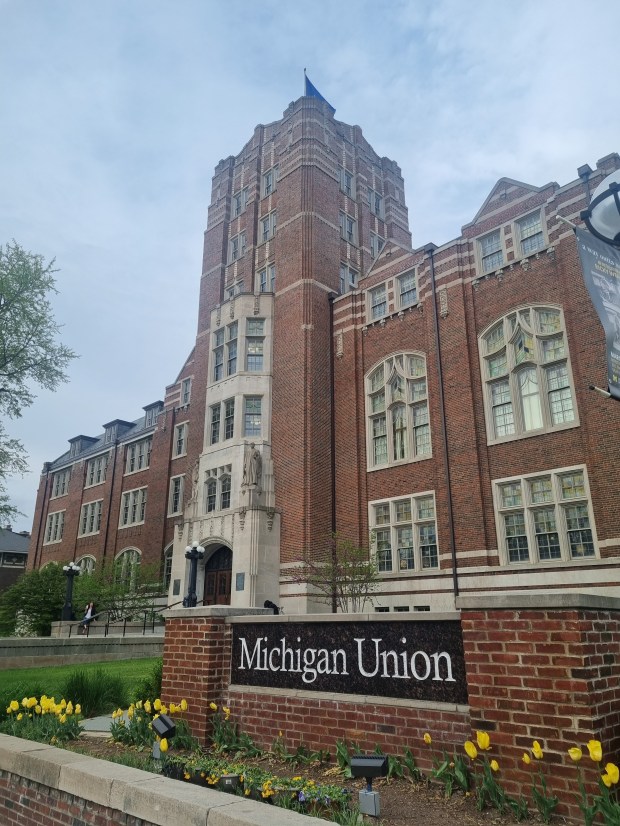
The Michigan Union at University of Michigan campus in Ann Arbor was the venue for the annual conference for the American Association for the history of Medicine, May 2023. Photo by Liv Nilsson Stutz.

Today, new methods and technical advances have made these collections less relevant for teaching medical students and for carrying out research on human biology, anatomy, and pathology. As their “value” for medicine has decreased, they have come under increased scrutiny and criticism with their troubling legacy casting longer and darker shadows, to the point of calling into question their continued existence. We are starting to hear more and more voices calling for their destruction, deaccessioning, and limitations in terms of both public access and research. 

While recognizing the importance of the criticism and the dark legacy, this panel problematized this development and asked: Are there multiple and competing ethical claims to consider when exploring the theoretical, political and practical challenges facing these collections and the institutions that care for them? What are the possible futures for these collections? What role should they play for medical professionals, for scholars, in education, and for the public? As these collections no longer hold the status of shrines, can their role be redefined in productive and ethical ways, for example as public facing centers of historical research and exhibition – and if they are, can these centers be imagined in a way that also considers their dark history to operate as democratic, inclusive institutions in a way that adhers to the contemporary role of museums (as defined by ICOM)? What are the best ethical policies and practices when we approach these complex issues? 

While recognizing the ongoing debate, which for the sake of simplification can be characterized as postcolonial debate, and that tends to be centered on specific categories of remains, and without trying to ignore or suppress it, the round table sought to explore additional questions around value, use and multiple ethics that tend to be marginalised in the current conversations. We came to this conversation from different experiences – from the fields of medicine, history and archaeology – all with various experiences of debating these issues on a theoretical level, carrying out research on human remains, and managing museum collections with human remains.

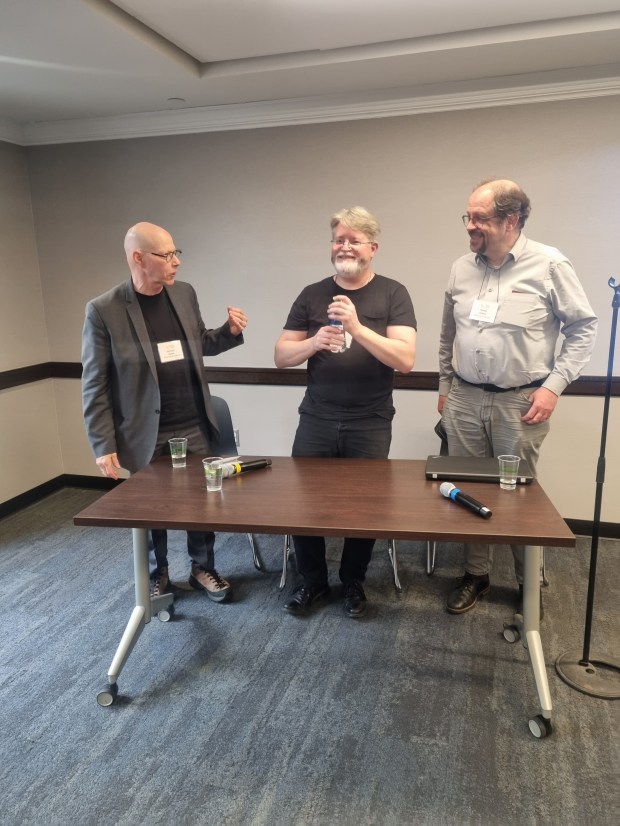
Speakers at the Roundtable on Historical Medical Collections, from the left, Mike Sappol, Olof Ljungström, and Rainer Brömer. Photo by Liv Nilsson Stutz.

The speakers at the roundtable were:

Mike Sappol – a medical historian based at Uppsala university with a significant experience as an exhibition curator and at the National Library of Medicine, and the author of several important books. His work focuses on the history of anatomy, death and the visual culture of medicine and science, the body, the history of museums and queer studies. His paper entitled “Endangered specimens. Historical Human remains and derivatives: competing claims, meanings, critiques, and practices” interrogated and explored the debates surrounding these historical collections and their different and complex values through the case of the Museo Morgagni di Anatomia in Padua: as materiality, artifacts, and perhaps even as a form of “relics of an extinct medical civilization.”

Olof Ljungström – a historian at Karolinska Institutet in Stockholm, where he oversees the anatomical collection. His work focuses on the history of medicine, including 19th century anatomy, race science and the history of research at KI. His paper The Body Politics in the Anatomy Collection: Where the politics of the past meets the politics of the present, contextualized the history of the Finnish crania at the KI collection and the contemporary claims surrounding them.

Rainer Brömer from the Institute for the history of Pharmacy and Medicine at the Phillips University in Marburg, where his research focuses on Anatomy and Pharmacy in the Ottoman Empire, Medical and research ethics, and the body, and where he has also been involved with the Marburg university anatomical collection, its Museum Anatomicum and the conception of a future museum in Marburg. His paper, Gazing at human bodies – epistemology, ethics, and aesthetics discussed the ethical challenges of this project.

After the presentation the room engaged in discussion that included voices form colleagues currently working with historical medical collections in museums across the United States who shared their perspectives and experiences.

“It is always more than one thing”

Lisa Harris in the opeing roundtable “Being a Public Scholar Now” on the subject of abortion

Personally I felt inspired as I made connections between what I was hearing in the room and what I had heard at the opening round table session for the entire conference earlier that day entitled “Being a Public Scholar Now: Obligations, Opportunities, and Dangers” chaired by Susan Reverby with Angela Dillard, Alice Dreger, and Lisa Harris. In her address Lisa Harris, who is an OBGYN, holds a PhD in American Culture, and is an activist for women’s reproductive rights, spoke about her role as a public intellectual and why it matters. Her thoughtful remarks were inspiring and, I believe, tie in with the conversation we were having hours later when discussing historical medical collections. She emphasised two dimensions that drive her work as a researcher and activist. First the presentism of history. “You learn from the past – about what was “bad” then, but you never distance yourself too much from the past, because the problems are still present.” She said, “you can biopsy any moment in American History and you can see similarities today.” The second dimension was her love of history and the ways in which its complexities reveal themselves through research. It is always more complicated than you think, she argued, and you need to embrace the complexity and hold the ambiguities. It is possible that something can be both good and bad, all at once – for example abortion: it is both a death and at the same time the opportunity for life and freedom for another person. “It is always more than one thing.” Given the subject of her research, it was also obvious that taking a stance that complicates the matters at first can be difficult, as many people who are engaged with a topic like reproductive rights may seek and want a more straight forward answer. But ultimately, the only way to really move forward and find the productive and real solutions requires a recognition of ambiguity and complexity. And here, in that recognition, the presentism of history comes back to enrich our sensitivities and our understanding of how phenomena like historic medical collections hold ambiguities and complexities that we need to embrace, not avoid, if we want to understand their potentials and their charge.

featured image: Baby Carraige” by Orin Zebest is licensed under CC BY-SA 2.0.

Report from “Encountering Human Remains: Heritage Issues and Ethical Considerations” in Cambridge

On May 11 and 12, 2023, the 23rd Cambridge Heritage Symposium took place at the McDonald Institute for Archaeological Research. The topic of these two-days symposium was “Encountering Human Remains: Heritage Issues and Ethical Considerations”.

Despite what one may think looking at the hosting place, archaeology was not the only point of view in discussing the human remains, nor was it the main one. On the contrary, many different approaches, methodologies, fields were presented and discussed in these two stimulating, interesting, and emotional days – as it is very well proved by the six sessions in which the days were divided: 1. European Conflictscapes and the War Dead, 2. Necropolitics and Commemorating the Dead, 3. Shifting the Narrative and Management of Human Remains, 4. Encountering Death in Museums: Ethics of Display and Public Perception of Human Remains, 5. Studying the Dead: Curation and Archival Research of Human Remains, and 6. Reflecting on Epistemology, Spirituality, and the Social Dead.

The Symposium was organized by Dr. Trish Biers, Elif Dogan, Leanne Daly, Dr. Miriam Saqqa-Carazo, Dr. Gilly Carr, Dr. Paola Filippucci, and Ben Davenport.

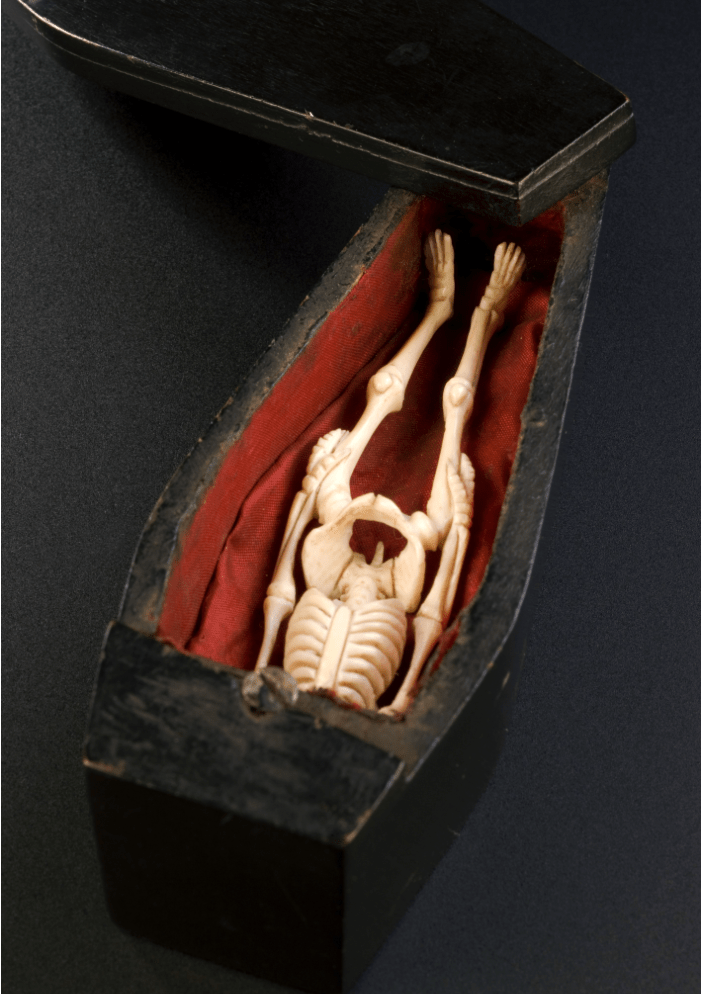
File:Ivory model of a human skeleton, suspended in a case with op Wellcome L0058603.jpg” is licensed under CC BY 4.0. This file comes from Wellcome Images, a website operated by Wellcome Trust, a global charitable foundation based in the United Kingdom. Ref Wellcome blog post (archive).

Alongside the sessions, two keynote speakers presented their unique perspectives on two interesting themes: the first day Dr. Layla Renshaw explored the different dimensions of personhood sought by the living when a mass grave is exhumed, bringing case studies of contemporary exhumations of Republican mass graves from the Spanish Civil War; on the second morning, George Gumisiriza used the lens of migrant corpses to explore potential individual and collective ways of encountering human remains in society. The registration of these interesting and moving intervention are available on the site of the research center.

After Dr. Renshaw keynote, Dr. Gilly Carr kicked-off the first session with a question that everyone working with human remains – and ethics in general – asked themselves at least once in their life: “What is an inappropriate behavior?”. The question pairs perfectly with the general recommendation of treating human remains “with respect”, when one encounters them. After Dr. Carr her colleagues in the session, Dr. Margaret Comer, Leonora Weller, and Dr. Magdalena Matczak beautifully interrogated regarding war and holocaust dead and on what the human rights of human skeletal remains are as heritage – and if human remains resulting from atrocities should be heritage at all.

The following session, with the talk of Dr. Daniel Gaudio, Oliver Moxham and Hyunjae Kim, explored the commemoration of dead and the connection with politics, from different perspectives, starting with the challenges of analyzing frozen remains in Northern Italy, going through the possible linguistic barriers in Japan and finishing with the interpretation of colonial deathscapes and local’s narrative in South Korea.

The last session of the first day explored new possible narratives around human remains, specifically shifting from the dominant Western approaches and discourses. Dr. Yunci Cai presented the case of the Monospiad Cultural Village in Sabah, East Malaysia, while Dr. Heba Abd el Gawad underlined the invisibility to which the contemporary Egyptian people are subject, when it comes to their discomfort towards the display of mummified Egyptian human remains in Western museums. Paloma Robles Lacayo proudly described the efforts undertaken in trying to identify the Mummies of Guanajuato, to eradicate their objectification, without hiding the difficulties encountered (and still encountering) and Dr. Guido Lombardi showed the possibility of carrying on the Ancestors’ legacy, respecting their body-preserving traditions and bridging them with modern education and local specialists.

Following the beautiful keynote lecture, the second day opened with the encounter of death in museums. To open the session, Dr. Katie Stringer Clary draw the history of the exploitation of the Indigenous or “abnormal”, sometimes living, bodies. She begun by discussing the very first freakshows up until today, pointing out that: “Museums no longer exhibit living people. Still, how far have they come?”. Olga Nikonenko focused instead on the complicated issues of the provenance, public display and repatriation of the multi-cultural Graeco-Roman mummified remains discovered in Egypt. More personal perspectives were those offered by Dr. Jody Joy, who told his experience in curating the Lindow Man, and by Cat Irving, who closed this session telling the stories “of those that you don’t find in history books”.

Since the beginning of the Symposium questions arose at the back on my mind, and they haven’t left yet: where do we draw a line, if we can draw a line at all?

The speakers of the second session of the day, Dr. Miriam Saqqa-Carazo, Dr Rachel Sparks, Jelena Bkvalac and Dr. Ayesha Fuentes, focused more on the curatorial aspects of handling human remains in museums, as well as on the archival research.

To conclude this full, thought-provoking two-days Symposium, the last session tackled a more epistemological, spiritual and social perspective. The speakers, Prof. Shawn Graham, Ellie Chambers, and Dr. Svetlana Seibel, went from unveiling some (disturbing) sides of the trade of human remains on e-commerce and social media platforms, through their exploitation on online news platform as clickbait, to showing literary encounters with ancestral remains. Closing the session, Prof. Charles Clary (see also his IG) moving talk guided us towards his personal exploration of death, mourning and healing through his art, which also provided the beautiful cover of the Symposium’s programme.

Since the beginning of the Symposium questions arose at the back on my mind, and they haven’t left yet: where do we draw a line, if we can draw a line at all? Should politics be allowed to objectify the remains, using them for its own purposes? What’s the distance in time that determines whose ancestors are worthy of asking for repatriation? And is this distance really sufficient, to ignore this type of concern? And should professionals working with human remains be completely detached and unemotional, as usually required to scientists, to be considered professionals?

As for all the best encounters, these two days left me with more new open questions than answers. Unfortunately, it is not possible to see all the amazing talks that have been delivered in those two days, but the online poster session is still available and showcases very interesting researches.

by: Nicole Crescenzi

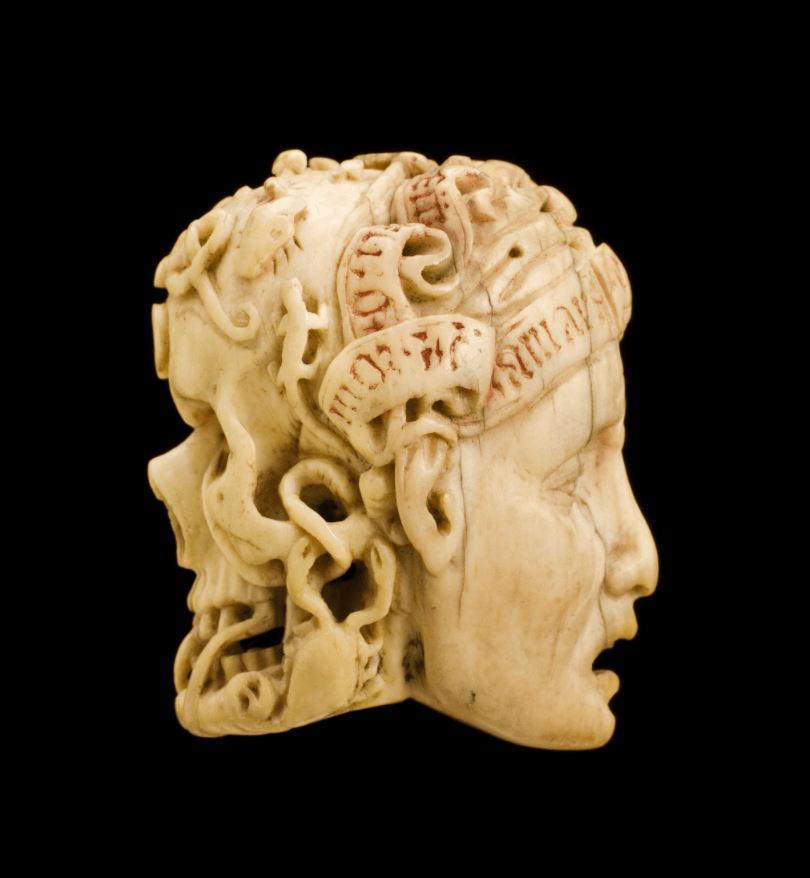
featured image: File:Ivory model of half a human head, half a skull, Europe Wellcome L0057081.jpg” is licensed under CC BY 4.0. This file comes from Wellcome Images, a website operated by Wellcome Trust, a global charitable foundation based in the United Kingdom. Ref: Wellcome blog post (archive).

Reading Alexandra Ion: on ruins, nostalgia, and lonely specimens

Last week the project invited Alexandra Ion, formerly at the Institut de Antropologie Francisc I. Rainer, Academia Romana in Bucharest, to discuss her article “Anatomy Collections as “modern ruins”: The nostalgia of lonely specimens, published in 2021 in Science in Context.

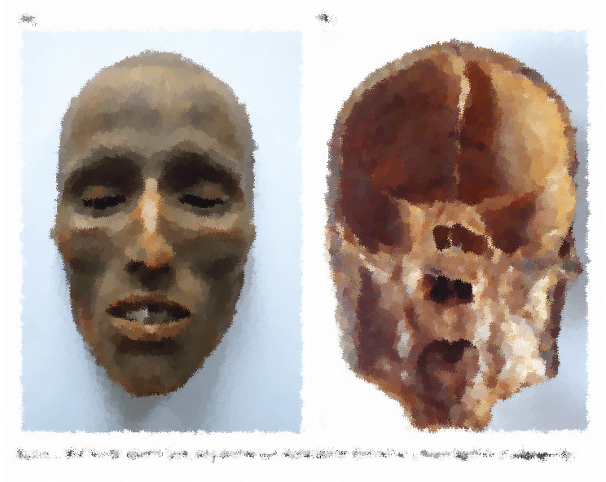
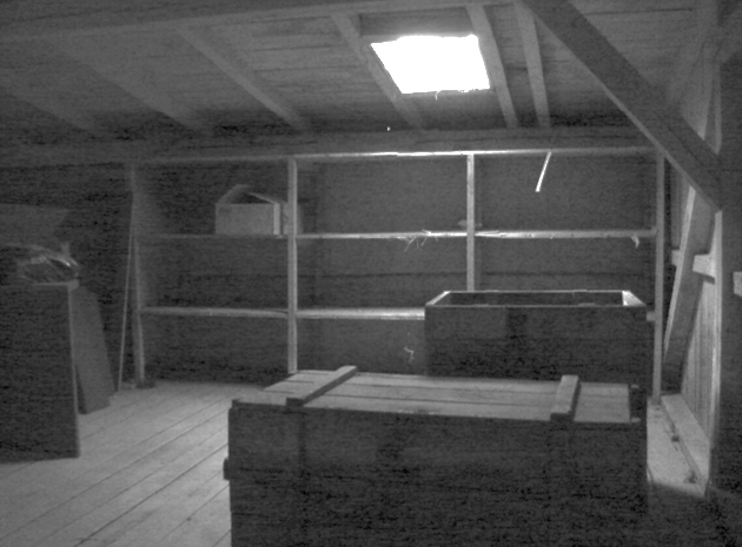
This beautifully written paper explores a range of entangled issues relating to the collection and scientific handling of human remains. The piece departs from the discovery of a strange specimen – a preserved human face in a wooden crate – in the attic of the Francisc I. Rainer Institute of Anthropology in Bucharest in 2010. The face, extracted from a human cadaver at the turn of the last century, showcased a unique method to preserve human tissue developed by anthropologist and pathologist Francisc I. Rainer, a technology that very soon after its conception fell into oblivion, and with it, the scientific relevance of the face itself.

The face in anterior and posterior view.
Original published in Ion 2021. Intentionally blurred for this blog. Published with permission from Alexandra Ion.

The article explores the history of the specimen and contextualises it within the anatomy practice of the time. We can follow a sort of chaîne opératoire of the making of anatomical objects from human bodies, and how the process unfolds in space, in different parts of the building – from the intake on the ground floor, through different rooms of preparation and display. At some point in time as it becomes obsolete and forgotten, it moves out of the public eye into a closed crate in the attic, tucked away with other items from the past, including papers and photographs. An object among objects. Form here it then emerges at the time of its discovery in 2010. But it is changed. No longer a valuable piece to demonstrate technological skill and methodological progress, it has become an uncomfortable artifact of a problematic past. Like many liminal phenomena, by definition situated between categories, it causes discomfort. Ion describes how she moves it through the building to find a place for it that seems appropriate…the office, the lab….it no longer fits anywhere.

The attic of the Francisc I. Rainer Institute of Anthropology. Published in Ion 2021.
Photo by Alexandra Ion. Published with permission from Alexandra Ion.

In many ways the journey described by Ion for this specimen, is typical for many anatomical collections today. They have become matter out of place (sensu Mary Douglas). No longer useful in the way they were once perceived and even made, they have transformed into something strange, historical, and perhaps, to some, upsetting. The transfer of many anatomical collections from medical spaces to history museums is a tangible expression on a larger scale of this redefinition.

The recurring question then becomes: What to do with them? This is a central question also for the Ethical Entanglements project. Ion offers an interesting approach when suggesting that we can view them, not only as archives (which they are), but also as ruins. Drawing inspiration from Thora Petursdottir’s and Bjornar Olsen’s writings on modern ruins, she views them as “caught between the past and present, between fascination and strangeness.” This opens up a venue to explore our own encounter with them as meaningful and important in new ways, drawing on scientific curiosity, but also emotion and nostalgia.

How do ethics relate to this? The paper centres on the multiple ethics entangled in the engagement with human remains – something that our discussion about the paper came to focus on:

“Alexandra’s inspiring approach to anatomy collections as “modern ruins” made me reflect about our responsibility towards human remains collections. As archaeologists, we work on the principle of preservation through documentation, and it would not occur to us to bury an archaeological site before investigation and documentation. Likewise, I believe it is our duty to engage with these legacies, however uneasy they may be.”

Rita Peyroteo Stjerna

“Alexandra’s paper was intelligent, thought-provoking and sophisticated. I was delighted that she was able to talk with us about it. In a wide-ranging discussion, we talked about how we can extend debates beyond the post-colonial critique, about multiple ethics and how we manage the tension between object and person that human remains present, among other things. We talked about circumstances in which displaying human remains might be a more appropriate solution than concealing them. We went on talking well past our scheduled hour of discussion, which is testament to how rich and engaging Alexandra’s work is. I hope that we will find ways to include her in some future discussions.”

Sarah Tarlow

I too congratulate Ion on this important and beautiful paper. The metaphor of the ruin is interesting and captures an important dimension in the engagement with human remains of the past, emphasising the emotional and affective in this encounter, adding an important dimension to the scientific and historical values often mentioned in the debate. But it also has limitations.

“…to me, as ruins these human remains from the past remain inhabited, if not necessarily haunted”

Liv Nilsson Stutz

To me it remains a metaphor that captures an encounter between a subject in the presence of an object from the past. But human remains are not neutral objects, something Ion also discusses. I want to embrace the liminality of the category fully, and recognise, as a point of departure, that human remains from the past always retain a certain level of their subjectivity, also in the present. To build on the metaphor: to me, as ruins these human remains from the past remain inhabited, if not necessarily haunted.

Addressing dark heritage in exhibitions. The University Museum in Groningen.

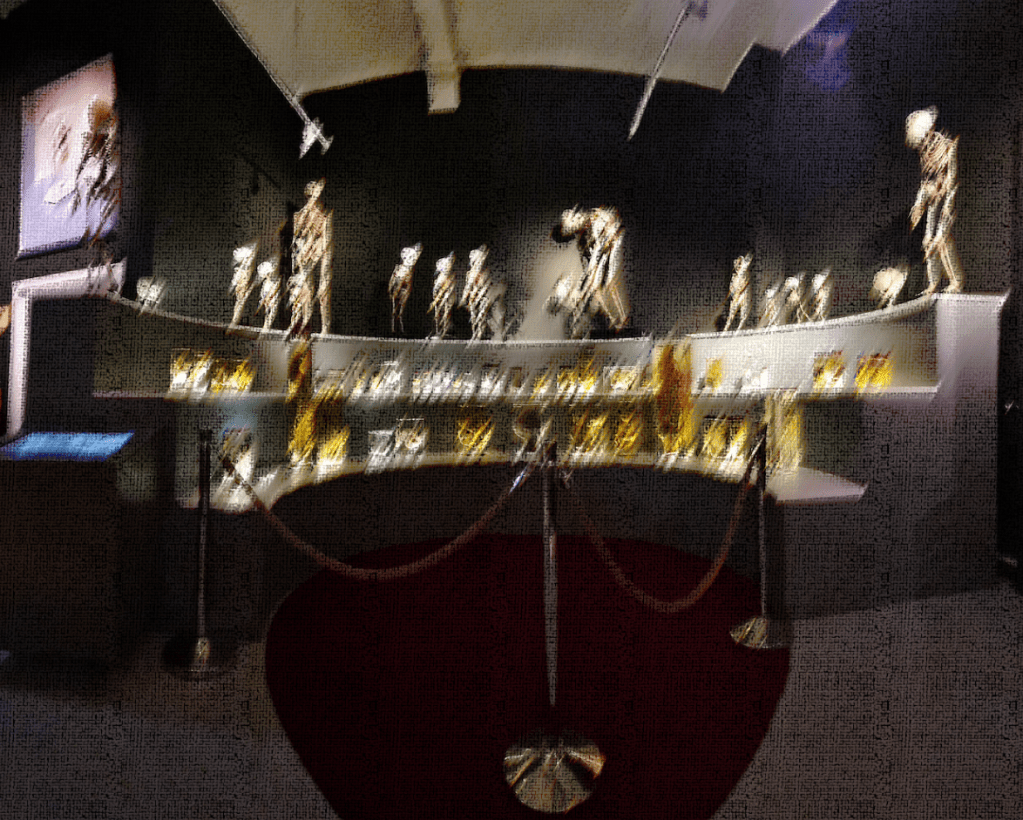
After our visit in Amsterdam I continued to Groningen which aslo has an anatomical collection on display in its University Museum. Here, the anatomical collection is part of the exhibition on the history of the university and its scholars, and it is thus clearly inscribed in the broader history of research and scholarship. A separate room is dedicated for this purpose. The anatomical display is arranged on stepped shelves organised in a semi-circle, with mounted skeletons on top and with preparations of body parts and organs on the lower shelves. The room has a claire-obscure quality with dimmed lights and spots illuminating the white bones, and the body parts almost glowing through the amber coloured liquid of the old preparations. The display is accompanied by an interactive screen where visitors can see close-up photographs of each displayed specimen and read descriptions about pathologies and preparations. The exhibition is extremely interesting, quite moving, and, I must admit, very aesthetic. 

The anatomical collection arranged on stepped semi shelves organised in a semi-circle. Photo by Liv Nilsson Stutz (intentionally manipulated)

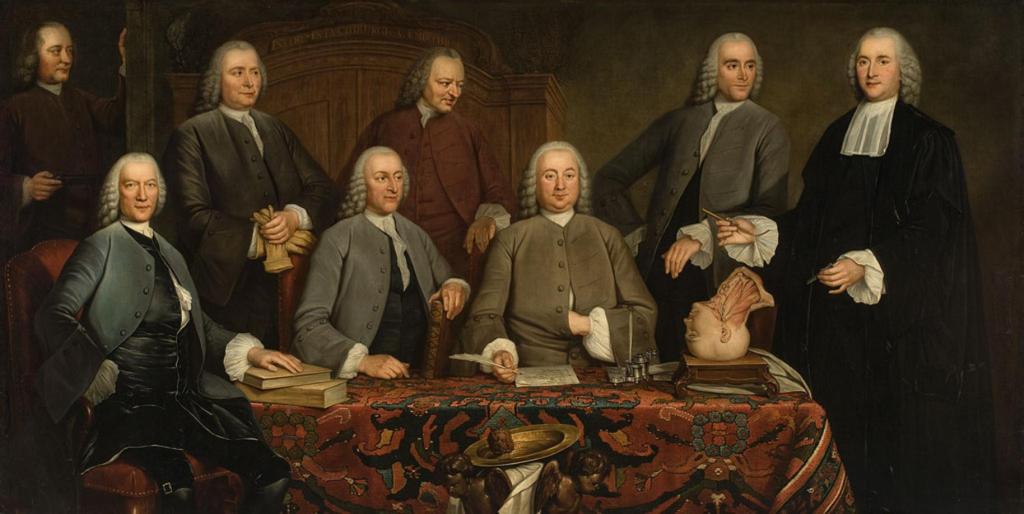
On the opposite side in the same room, an exhibition is devoted to the contribution of Petrus Camper (1722-1789). Camper was Professor Medicinae Theoreticae, Anatomiae, Chirurgiae et Botanicae at the University of Groningen from 1763 and to his death. He was an academic celebrity of his time and a leading scholar in many fields, including comparative anatomy.

Tibout Regters – De anatomische les van Petrus Camper. Amsterdam Museum, Public Domain.

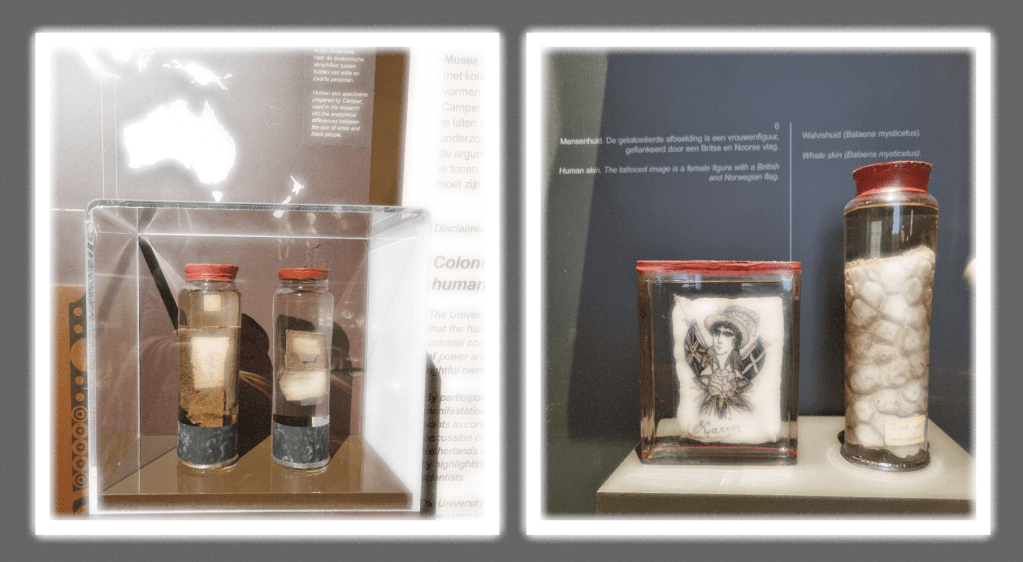
As part of his research, Camper studied the anatomical differences between humans and apes, in particular crania and larynxes. To address the context of this research, the museum signage both celebrates and problematises his legacy. The exhibition called “Bitterzoet Erfgoed” (Bittersweet Heritage) informs us that while Camper lived in a time of colonialism and slavery, he “did not accept this worldview” (i.e. slavery). That being said, the text continues “Camper’s work cannot be separated from colonial history,” as “he collected specimens (human and animal) from colonised regions including the skulls and skin specimens on display in this exhibition.” The next sentence sums up the central dilemma:

“This raises complex questions. We want to tell the story of Petrus Camper, but also treat the remains of people who did not choose to become subjects of scientific research with respect”

Text in the exhibition about Petrus Camper at the University Museum in Groningen.


Several human crania are on display in this part of the exhibition, and a color coded map indicates their provenance including Madagascar, Europe, Java, Russian Republic of Kalmykia, Angola, China, Jakarta, and Mongolia.

Display of skulls from different parts of the world. The crania wee collected by Camper for his research into comparative anatomy. Photo: Liv Nilsson Stutz, intentionally blurred.

The transparent and honest way in which the exhibition communicates about the content of the collections and their problematic history, is interesting and quite admirable. The display of remains such as skin samples brings the hot button topic of racism into focus. The exhibition strikes the balance between communicating that while Camper’s research was not seeking to support racism as an ideology and a “scientific” concept, he still worked within a context of colonialism and othering. And while not explicitly stated, the knowledgeable visitor can probably fill in the blanks as to how this research tradition came to be enmeshed with race science only a few generations later. While taking risk with this display, the museum paradoxically takes responsibility for its collections as it does not try to avoid confronting difficult issues or hide its collections.

Skin samples on display in the museum. To the left, skin samples form humans from different parts of the world, displayed in the Bittersweet Heritage exhibition. The samples were used by Camper to understand human variation between white and black skin. To the right, human tattooed skin (the face of a woman and the British and Norwegian flags) exhibited with the skin of whale to illustrate Camper’s work in comparative anatomy. Photos by Liv Nilsson Stutz, intentionally blurred.

Interestingly (and typically) the problematisation is limited to the anthropological research and exhibition, and does not discuss the medical collection displayed only a few meters away in the same room. The context of the “bitter sweet heritage” is not extended to include collection practices from other contexts (such as, presumably, maternity wards and other care facilities). This relates to a more general pattern that we can see in how different categories of human remains sometimes are treated with different consideration and levels of problematisation.

Museum Vrolik and Body Worlds Amsterdam: reflecting on two exhibitions of human remains

In early November, we (Sarah Tarlow and Liv Nilsson Stutz) visited the Netherlands with the objective of viewing two different exhibitions of human remains: Museum Vrolik and Body Worlds, The Happiness Project, Amsterdam. While we realised it would be two distinct experiences, we were not quite prepared for just how radically different these two exhibitions would be, and how entangled the ethics of it all would appear at the end of the day.

The signage to the museum in the hospital foyer underscores the medical context of the collection. Photo by Liv Nilsson Stutz.

The Museum Vrolik is located on the bottom floor of the Amsterdam University Medical Center. As you enter the building you find yourself in a contemporary hospital, but as you turn left and enter the dark space of the museum you take a step into the past. A sign at the entrance cautions you that the exhibition contains human remains and may not be suitable for sensitive visitors. Photography is not allowed. The Museum website states:

“You should compare your position as a visitor to the Museum Vrolik with students of medicine during a practical anatomy session in the dissecting room. They observe and dissect mortal remains, but do so with proper respect and they are not allowed to take photographs of whatever they see in the room”

https://www.museumvrolik.nl/en/about-the-museum/human-remains/

Museum Vrolik has an impressive collection. The remains were collected between 1750 and 1950. It contains 3300 human bones, skulls, and complete skeletons, 840 anatomical preparations with congenital defects, 1230 human anatomy preparations, 7400 glass negatives, 600 preparations related to dentistry, 530 plaster models and casts, 1760 drawers of brain slices, and 410 wax models. In addition the museum also contains animal bones and preparations. Only a small sample of this impressive collection is exhibited.

Cover of the catalogue of the Museum Vrolik “Forces of Form,” for sale in the museum shop. While I do not want to link to any online content of the displays, I show the cover of this book to provide an impression of the kind of specimens exhibited in the museum.

The exhibition consists of one square shaped room with dimmed lights and aesthetically illuminated glass display cases forming four areas in the center of the room displaying anatomical and pathological specimens, and along the perimeter of the room, a series of display cases that chronicles the history of the collection. It is breathtaking.

The collected are categorized as “objects of science” – but the display invites us to see people who once lived with pain, disability and strength to survive many years under difficult circumstances. It is moving and unsettling all at the same time.

In the historic overview the collection is contextualised with a focus on the collectors and their roles in the history of research. The presentation is honest and transparent and mentions collections from cemeteries and medical wards. In contrast to the matter of fact tone in the texts, the actual exhibition in this part of the museum is sometimes very moving – especially the mounted skeletons of physically disabled individuals, one of which is still leaning on their cane. The juxtaposition between the factual narrative on the signs with the emotional displays is interesting. While only the collectors are visible as agents in the narrative, the collected demand our attention in the display. It suddenly dawns on us that there is contextualisation but no problematisation. The collected are categorised as “objects of science” – but the display invites us to see actual people who once lived with pain, disability and the strength and support to survive many years under difficult circumstances. It is moving and unsettling all at the same time.

The main part of the exhibition focuses on anatomy and pathology. Here there is very little contextualisation of the collection beyond that of the human body itself, which presents itself as a timeless medical fact. The preparations of fetuses and new borns, or of more complete body parts, add a dimension of subjectivity to the exhibition, bringing to the fore a shadow of individual lives – viable or not. But in the end, these remains are exhibited as objects of science.

While an explicit reflection on the ethics of collection is absent from the exhibition, the museum webpage includes a statement that recognises that collection practices in the past were very different to contemporary medical practices, and that it is not possible to know if the deceased or their relatives consented to, or were even aware of the fact that the remains were collected. Just like in the exhibition itself, it is in the voids between what is explicitly stated and what is implicitly felt, that the ethical entanglements emerge for us to reflect on. It is interesting and moving.

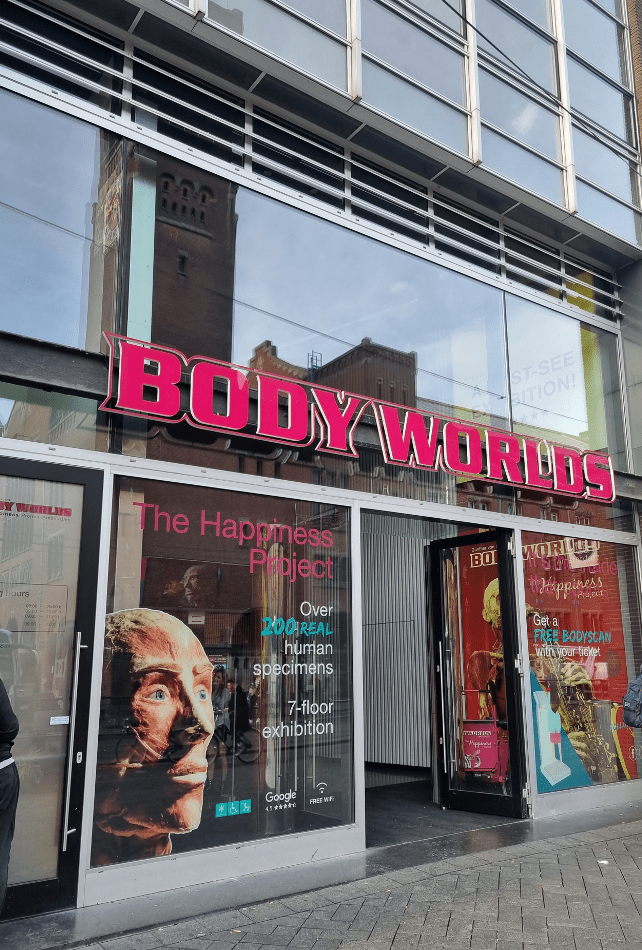
Entrance to Body Worlds in Amsterdam, advertising the exhibition of “over 200 real human specimens” in the midst of the Amsterdam tourist district. Photo by Liv Nilsson Stutz.

Later the same day we visited Body Worlds, The Happiness Project, Amsterdam, located in the tourist area of the city center, and marketed at the entrance by a man who, like in a manner that reminded us of old time fair ground exhibitions or freakshow, enthusiastically invited us in.

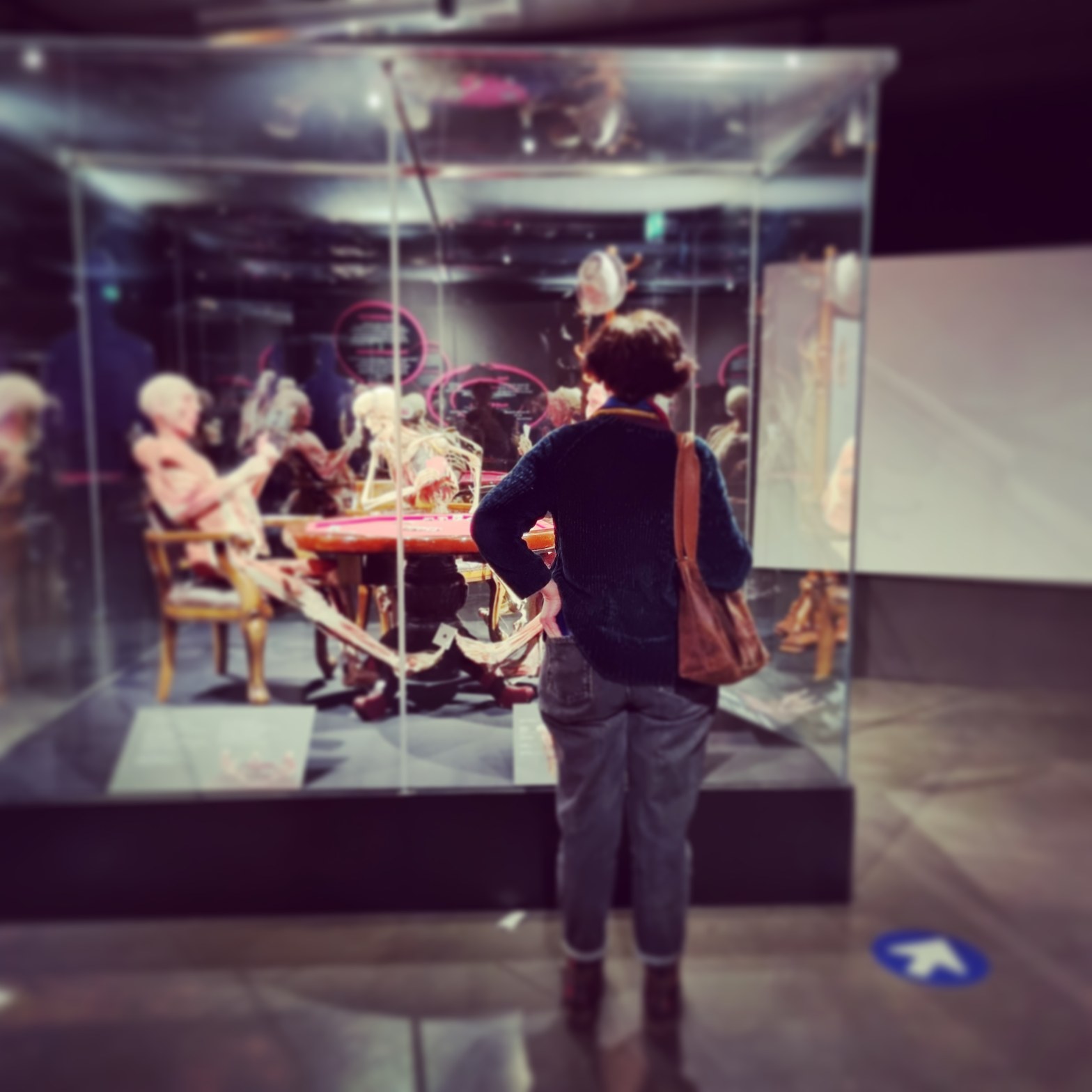
Three separate displays of plastinated human bodies at Body Worlds Amsterdam. Note the sexualised position of the woman (left), the active position of the male (center). To the right an arrangement of sexual intercourse. Photos by Liv Nilsson Stutz.

Body Worlds has become a world wide sensation and a lucrative private enterprise. Günter Hagen who developed the plastination process which makes it possible to display the anatomical structures of the human body like sculptures, has marketed the venture as a mission to educate lay people about anatomy and health. Body Worlds has been criticised for using unethically sourced bodies, but today claims that all bodies on display are of people who have given their informed consent.

The Amsterdam exhibition mixed the exhibition of plastinated bodies staged in evocative poses with the display of individual organs. The whole bodies were positioned in a way that was always gendered and sometimes even sexualised, with female bodies placed lifted, lying down or leaning to the side with their legs apart, and with male bodies jumping a fence, playing a saxophone and steering a ship. One room was devoted to sexual intercourse. The theme chosen to frame the exhibition was happiness, and it was communicated through basic educational texts about health and well being, and through inspirational quotes. Despite the unique selling point of Body Worlds – the display of actual human bodies (in the middle of the tourist district no less) – the experience seemed artificial. It was difficult to connect to the material/humans on display. The commercialisation of the venture added to the confusion. Was the purpose of the exhibition to provide education, and the plastinated bodies were used as a way to lure people to pay over 20 Euros for a mediocre learning experience? Or, was the educational theme just added on as a justification to show dead human bodies? It was impossible to say.

The contrast between the two exhibitions could not be greater. Museum Vrolik showed old and admittedly sometimes problematic collections, but managed to inspire compassion and emotion, while Body Worlds felt like a commercial carnivalesque display trying to pass as education. Even if these bodies were displayed with consent, the ethics seemed more muddled than ever.