A Nordic Perspective on Collections of Human Remains

Viewed from the outside, it often seems as if the Nordic countries are very similar in terms of culture and values. But despite their entangled political and cultural histories, and their cultural similarities, a closer look reveals interesting differences, and this is certainly the case for their professional attitudes to the ethics of collections of human remains.

The Nordic Network for Collections of Human Remains is an informal forum that organises different stakeholders in human remains collections, predominantly collection managers, but also researchers and museum professionals across the Nordic countries . The purpose of the forum is to provide a space for reflection and support in professional discussions and development of ethical practices. The Network organised a conference at Arkivcenter Syd, in Lund on October 26-27, 2023 (for full disclosure, Liv Nilsson Stutz has been a member of the steering group during the period 2020-2023, and was part of the organising committee for this conference). The purpose of the conference was to come together for the first time after the end of the pandemic, update one another on the state of the field in the different Nordic Countries, and strengthen both formal and informal ties and relationships throughout the community.

The conference invited speakers from several large collections across the Nordic countries to share their perspectives and experiences. Unfortunately the participant from Norway (Julia Kotthaus from De Schreinerske samlinger, at the Medical Faculty at the University of Oslo) had to cancel last minute, since she needed to prioritise her presence at a repatriation from the collection she manages. These presentations were inspiring in the sharing of protocols and experiences, but also showed the differences in approaches between countries.
Careful storage of human remains in a Swedish museum. Photo by Liv Nilsson Stutz (intentionally blurred).

The Danish model is interesting since it clearly separates ownership from deposition and curation. The former is held by local museums, while the latter is managed by essentially two centralized collections: ABDOU at the University of Southern Denmark (presented by Dorthe Dangvard Pedersen), and The human skeletal collection at the University of Copenhagen (presented by Niels Lynnerup, Marie Louise Jørkov, and Kurt Kjaer). This arrangement has interesting consequences for the management of processes. The facilities are all highly adapted for the preservation and study of human remains, and the research facilities support, track and assist in access to the collection by researchers, students, and even the public. It can be argued that this system that separates the human remains from their otherwise historical and archaeological context in order to prioritise preservation, control, and documentation, implicitly or explicitly categorises the remains almost exclusively as Objects of Science. It appears to be a very clear, but also unproblematising approach. The division has interesting consequences for the most significant case of repatriation of human remains in Denmark, Utimut – the repatriation of human remains and culturally significant objects to Greenland. The ownership of the human remains is now held by Greenland, but Greenland has elected to follow the same system for the management of collections of their human remains as that practiced for remains found on Danish soil, keeping them in Copenhagen. This case is always interesting to bring up in debates about repatriation since it is clear here that the Greenland side appears to share the same concerns for these remains as their Danish counterpart, and also feels that a practice that protects them as Objects of Science is valuable for them. But that does not mean that nothing has changed. There is a significant shift in the attitudes on behalf of the collection managers who do not claim control or ownership, but take the role as mediators and assistants. In this sense then, the Danish system is arguably more inclusive and progressive than in the rest of the Nordic countries, where ownership tends to be associated with the institution that holds the remains.

The Swedish system with decentralised practices and control was illustrated by presentations from two Swedish collections. The Historical Museum at Lund University was represented by Jenny Bergman and Sara Virkelyst who presented a newly established flow chart to systematically support repatriation processes in order to make them transparent and predictable for all stakeholders. The collections at the National Historical Museums were presented by Elin Ahlin Sundman. The issues of ethics appear to be top of mind for the Swedish institutions, but the decentralised practices result in great diversity in protocols and processes – which stands out as quite a contrast to Denmark.
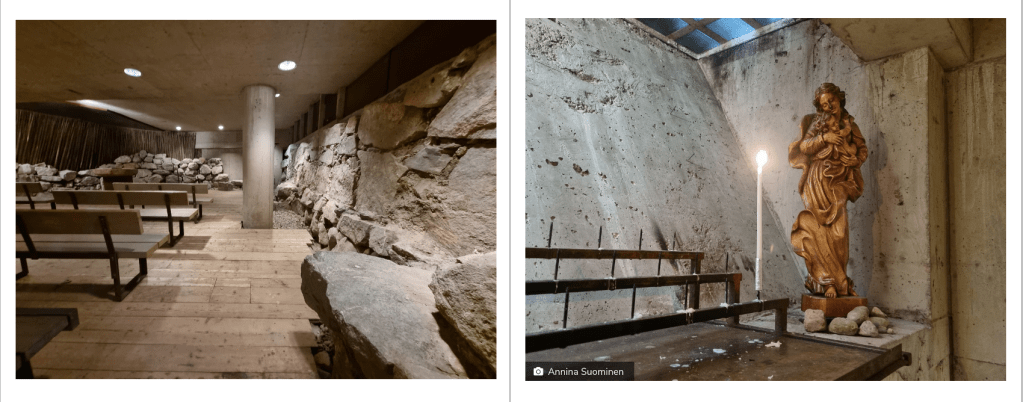
Images from inside the Chapel of the Holy Ghost in the basement of the Casagrande House in Turku, a semi private place of worship that also serves as a resting place for excavated human remains from the later medieval and early modern period. Photos by Annina Souninen, and published by Åbo Underrättelser.

Finland seems to have the least regulation and formalised processes for the care of collections of human remain at the moment. With a law that currently calls for decisions of future reburial to be made before an excavation has even started, human remains, in Finland, appear to be treated more toward the end of “Lived Lives” than in the other countries. They are often reburied immediately – sometimes even before osteological study. It should be added, however, that this position in reality is almost directly dependent on the chronological age of the remains, with prehistoric remains being systematically collected, and historical remains more often reburied. The decision is often made by local parishes who hold a lot of the power in these negotiations. Liisa Seppänen from the University of Turku presented a hybrid solution with the case of the contemporary chapel in the Casagrande House in Turku. The historic building, previously known as Ingmanska huset, was built in the 17th century at the previous location of a Graveyard of the Holy Ghost Church in Turku. After being threatened with demolition in the 1980s, the architect Benito Casagrande purchased and renovated the building under supervision of the Finnish Heritage Agency, and it now includes businesses, shops, and restaurants. The remains of the people buried in the underlying churchyard (from the 14th century and to 1650) were excavated in consecutive projects from the 1960s and through the 1980s, and were collected by a dentist at the university who kept them as a teaching and research collection (predominantly the crania). After extensive lobbying, Benito Casagrande, managed to have the remains transferred from the university to a newly built chapel in the basement of the house, where they can both rest in a sacred space and be accessible for research. The chapel is not open to the public, but can be visited upon request. A small working group, of which Casagrande is a part, oversees the collection and makes decisions with regards to access and curation. The impact of a private citizen is, to say the least, quite extraordinary in this case – but perhaps this is not as difficult to reconcile in a system with a tradition of consultation with the leadership of local parishes. From a more traditional collection manager point of view, Risto Väinölä discussed he human remains collection at the University of Helsinki (LOUMUS) which is a heterogenous collection with a long and diverse history of collection, with potential for research but with limited manifested interest both on behalf of researchers and calls for repatriation.

In addition to the presentations of the state of the field in the respective countries, I also want to highlight two more conceptual papers. Karin Tybjerg from Medicinsk Museion in Copenhagen presented an interesting paper on historical medical collections as a foundation for amemnesis – the clinical medical process of recovering the medical history, usually referring to patient history, to understand medical states in the present, but here expanded to include a broader investigation into the field of medical science, medical history and medical humanities (she has published these ideas in an interesting paper in Centaurus 65(2), in 2023). Equally interesting was Eli Kristine Økland Hausken‘s paper Adressing Bare Bones and Human Remains about her work with exhibitions at the University Museum of Bergen and the underlying ethos of their activities to engage the local community by “lifting the curtain” on the process knowledge production and the history of institutions. I was somewhat surprised at the choice to exhibit a shrunken head, a South American Tsansta (an issue that has also been debated by curator Åshild Sunde Feyling Thorsen from the same intitution), and while I am personally not convinced, I was interested in the arguments in favour of making such an unconventional choice today.
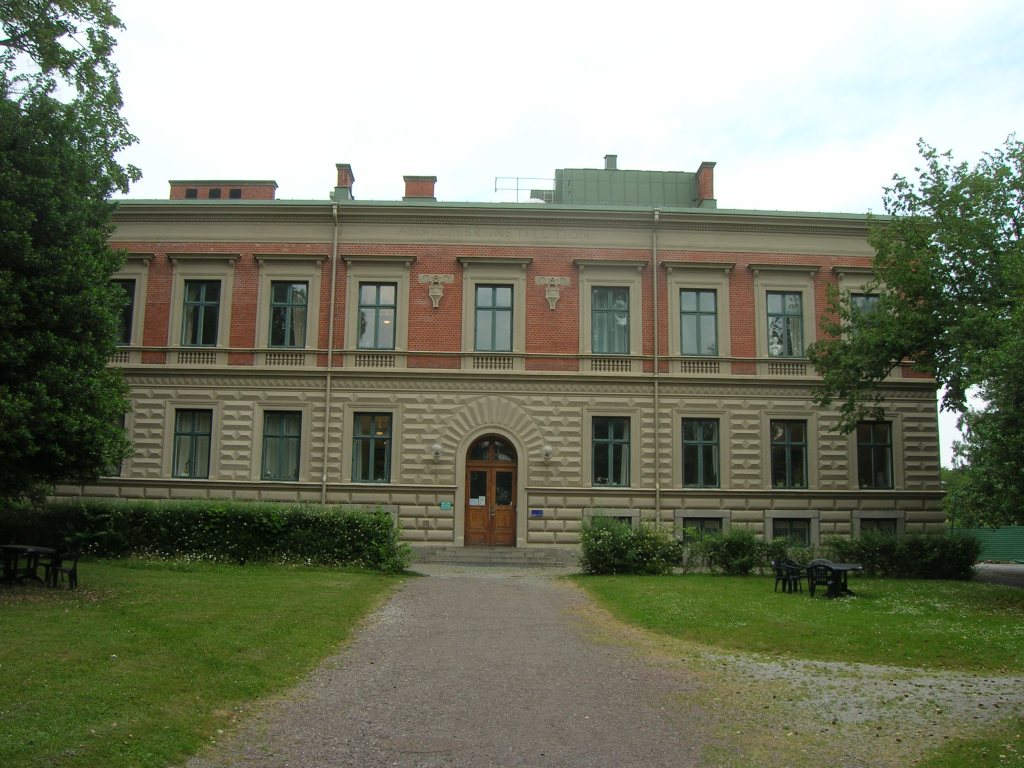
The Old Department of Anatomy at Lund University. Image by Väsk, licensed under CC BY-SA 3.0.

During the course of the conference, three panel talks explored several fundamental issues for the care of collections of human remains. The following topics were explored:

  • Panel 1: What is the value of collections of human remains? This panel explored the broader topic of the value of these collections for science, pedagogy and history in a time when they are increasingly questioned. Are they valuable? And if so, how?
  • Panel 2: How to make the collections accessible (including perspectives on digitalization, exhibition, and access for researchers). Should we? And how best to do this?
  • Panel 3: Accession and deaccession. What are our current challenges? This panel talk will discuss the responsibility (and cost) of accession and deaccession, and discuss the connections to repatriation and (re)burial.

Throughout these conversations it became clear just how entangled these issues really are. The final discussion, on accession and deaccession, also linked up the the local history of anatomy in Lund where a large part of the old and seemingly “worthless” or “problematic” collections from the Department of Anatomy were unceremoniously discarded in 1995 when the department was closed down permanently. Some remains were transferred to the Historical museum (the institution that received most of the skeletal remains) and to other institutions that had previous ownership of remains in the collection, but a shocking amount of wet specimen, ended up in containers to be destroyed or haphazardly collected from the street by private people, potentially to take on another life, now even more in the shadows and even further removed from ethical care. The date, 1995, serves as a reminder that it is not that long ago that these issues were hardly problematised at all.


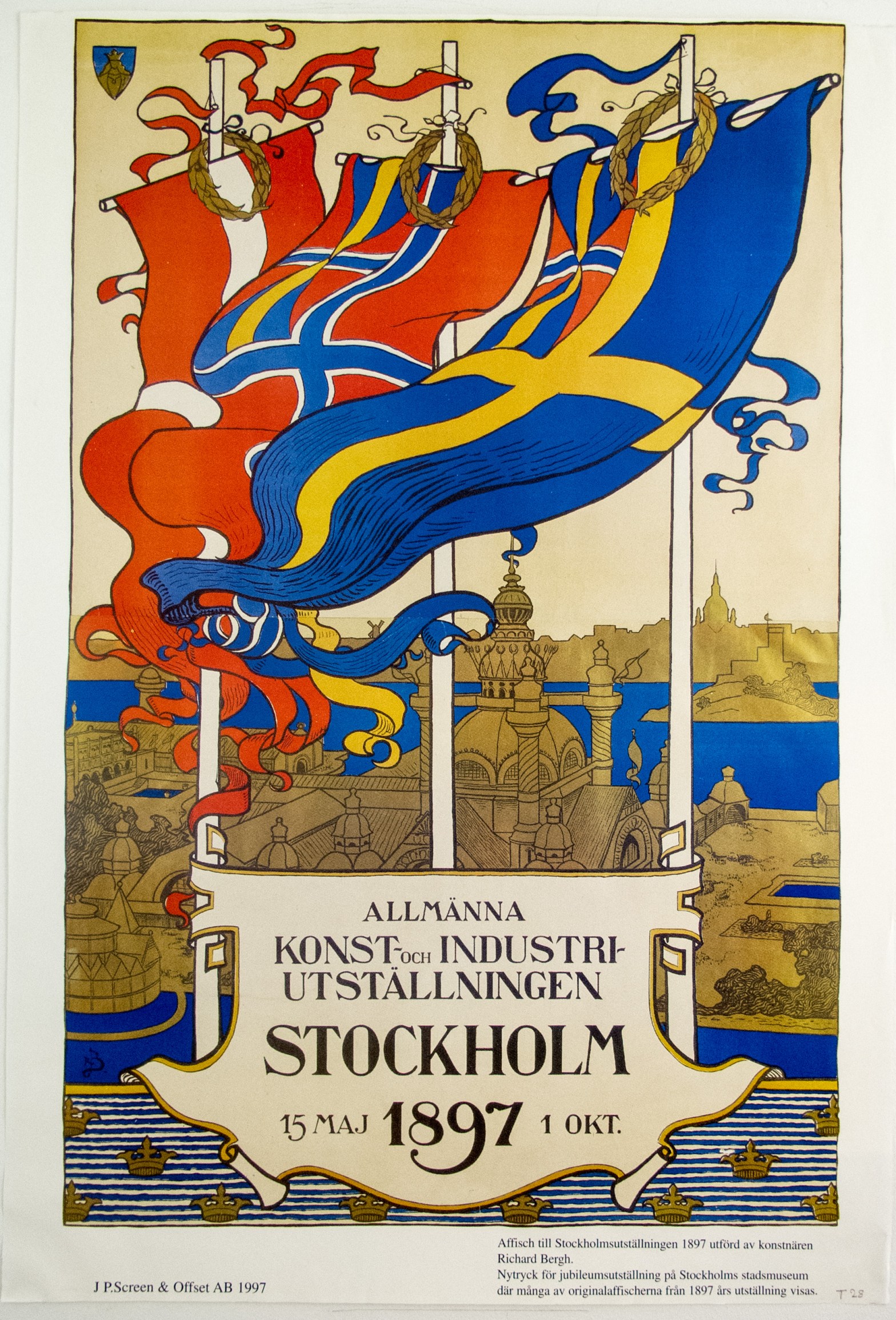
Featured image: Poster for the General Art and Industry Exhibition in Stockholm 1897 (licensed CC BY-SA 4.0). While this poster from the 19th century shows a different political reality, it can be veiwed as a good illustration of the continued entanglement of the Nordic nation states.
Approaching the Ethics of Human Remains from a Medical History perspective. Report from the AAHM meetings.

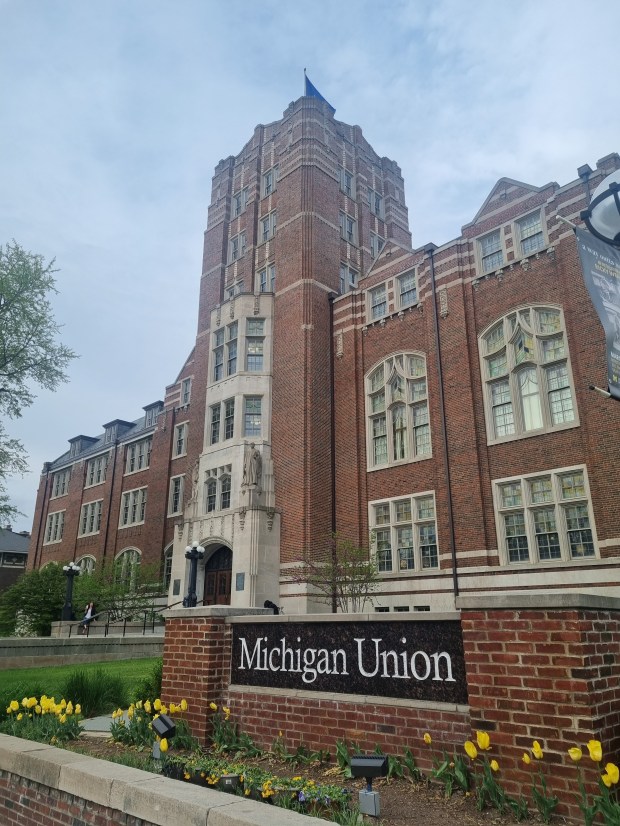
May 11-14, I attended the annual meeting for the American Association for the History of Medicine at the University of Michigan in Ann Arbor. I chaired a roundtable entitled “Historical Medical Collections, Human Biomaterials and Remains” which explored the multiple ethical challenges surrounding historical medical collections, a category that is problematized also in Ethical Entanglements.

By historical collections the round table referred to the medical museums and anatomical and pathological cabinets that from the mid 18th century that all played a central role in medical research and pedagogy. At the time, and in the century and a half that followed, they functioned not only as reference points for medical knowledge production and reproduction, but also as shrines to medicine, the science, its men and their achievements. In the 20th and 21st centuries however, they are being perceived in new ways. Now the darker sides of their origin is coming into focus: unregulated trade, theft, and ethically dubious collection practices permeated the practice before institutional, professional and state governance and the development of professional ethics centered on bioethics and informed consent reshaped medical and anthropological practice. Nobody can contest the important contributions these collections made to our medical knowledge, our understanding of the human body, its biology, and the pathways to healing it. However, the dark past that looms over the legacy of these collections ties them to structures of classicm, racism, sexism, colonialism, and authoritarianism, that all facilitated their coming into being. 

It is – without a doubt – a troubling legacy. 

The Michigan Union at University of Michigan campus in Ann Arbor was the venue for the annual conference for the American Association for the history of Medicine, May 2023. Photo by Liv Nilsson Stutz.

Today, new methods and technical advances have made these collections less relevant for teaching medical students and for carrying out research on human biology, anatomy, and pathology. As their “value” for medicine has decreased, they have come under increased scrutiny and criticism with their troubling legacy casting longer and darker shadows, to the point of calling into question their continued existence. We are starting to hear more and more voices calling for their destruction, deaccessioning, and limitations in terms of both public access and research. 

While recognizing the importance of the criticism and the dark legacy, this panel problematized this development and asked: Are there multiple and competing ethical claims to consider when exploring the theoretical, political and practical challenges facing these collections and the institutions that care for them? What are the possible futures for these collections? What role should they play for medical professionals, for scholars, in education, and for the public? As these collections no longer hold the status of shrines, can their role be redefined in productive and ethical ways, for example as public facing centers of historical research and exhibition – and if they are, can these centers be imagined in a way that also considers their dark history to operate as democratic, inclusive institutions in a way that adhers to the contemporary role of museums (as defined by ICOM)? What are the best ethical policies and practices when we approach these complex issues? 

While recognizing the ongoing debate, which for the sake of simplification can be characterized as postcolonial debate, and that tends to be centered on specific categories of remains, and without trying to ignore or suppress it, the round table sought to explore additional questions around value, use and multiple ethics that tend to be marginalised in the current conversations. We came to this conversation from different experiences – from the fields of medicine, history and archaeology – all with various experiences of debating these issues on a theoretical level, carrying out research on human remains, and managing museum collections with human remains.

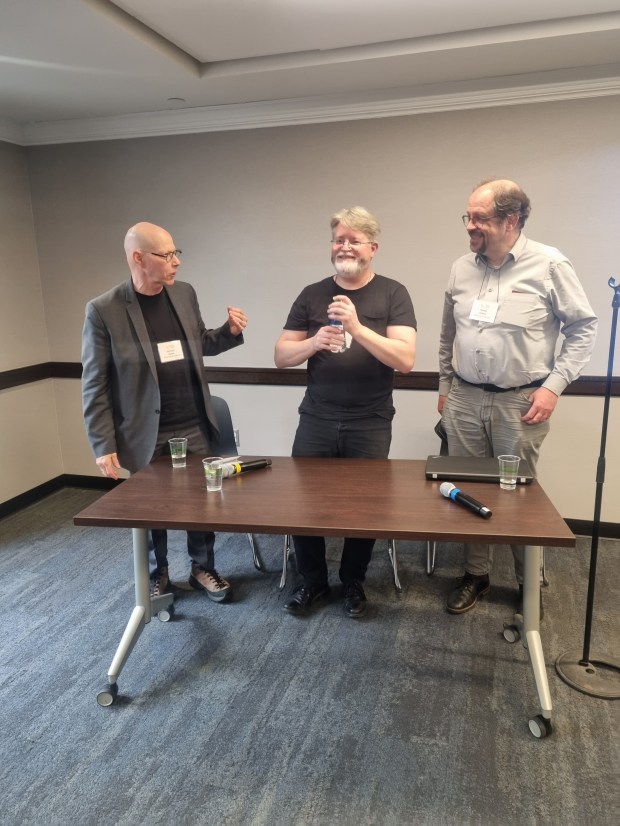
Speakers at the Roundtable on Historical Medical Collections, from the left, Mike Sappol, Olof Ljungström, and Rainer Brömer. Photo by Liv Nilsson Stutz.

The speakers at the roundtable were:

Mike Sappol – a medical historian based at Uppsala university with a significant experience as an exhibition curator and at the National Library of Medicine, and the author of several important books. His work focuses on the history of anatomy, death and the visual culture of medicine and science, the body, the history of museums and queer studies. His paper entitled “Endangered specimens. Historical Human remains and derivatives: competing claims, meanings, critiques, and practices” interrogated and explored the debates surrounding these historical collections and their different and complex values through the case of the Museo Morgagni di Anatomia in Padua: as materiality, artifacts, and perhaps even as a form of “relics of an extinct medical civilization.”

Olof Ljungström – a historian at Karolinska Institutet in Stockholm, where he oversees the anatomical collection. His work focuses on the history of medicine, including 19th century anatomy, race science and the history of research at KI. His paper The Body Politics in the Anatomy Collection: Where the politics of the past meets the politics of the present, contextualized the history of the Finnish crania at the KI collection and the contemporary claims surrounding them.

Rainer Brömer from the Institute for the history of Pharmacy and Medicine at the Phillips University in Marburg, where his research focuses on Anatomy and Pharmacy in the Ottoman Empire, Medical and research ethics, and the body, and where he has also been involved with the Marburg university anatomical collection, its Museum Anatomicum and the conception of a future museum in Marburg. His paper, Gazing at human bodies – epistemology, ethics, and aesthetics discussed the ethical challenges of this project.

After the presentation the room engaged in discussion that included voices form colleagues currently working with historical medical collections in museums across the United States who shared their perspectives and experiences.

“It is always more than one thing”

Lisa Harris in the opeing roundtable “Being a Public Scholar Now” on the subject of abortion

Personally I felt inspired as I made connections between what I was hearing in the room and what I had heard at the opening round table session for the entire conference earlier that day entitled “Being a Public Scholar Now: Obligations, Opportunities, and Dangers” chaired by Susan Reverby with Angela Dillard, Alice Dreger, and Lisa Harris. In her address Lisa Harris, who is an OBGYN, holds a PhD in American Culture, and is an activist for women’s reproductive rights, spoke about her role as a public intellectual and why it matters. Her thoughtful remarks were inspiring and, I believe, tie in with the conversation we were having hours later when discussing historical medical collections. She emphasised two dimensions that drive her work as a researcher and activist. First the presentism of history. “You learn from the past – about what was “bad” then, but you never distance yourself too much from the past, because the problems are still present.” She said, “you can biopsy any moment in American History and you can see similarities today.” The second dimension was her love of history and the ways in which its complexities reveal themselves through research. It is always more complicated than you think, she argued, and you need to embrace the complexity and hold the ambiguities. It is possible that something can be both good and bad, all at once – for example abortion: it is both a death and at the same time the opportunity for life and freedom for another person. “It is always more than one thing.” Given the subject of her research, it was also obvious that taking a stance that complicates the matters at first can be difficult, as many people who are engaged with a topic like reproductive rights may seek and want a more straight forward answer. But ultimately, the only way to really move forward and find the productive and real solutions requires a recognition of ambiguity and complexity. And here, in that recognition, the presentism of history comes back to enrich our sensitivities and our understanding of how phenomena like historic medical collections hold ambiguities and complexities that we need to embrace, not avoid, if we want to understand their potentials and their charge.

featured image: Baby Carraige” by Orin Zebest is licensed under CC BY-SA 2.0.

Reading Alexandra Ion: on ruins, nostalgia, and lonely specimens

Last week the project invited Alexandra Ion, formerly at the Institut de Antropologie Francisc I. Rainer, Academia Romana in Bucharest, to discuss her article “Anatomy Collections as “modern ruins”: The nostalgia of lonely specimens, published in 2021 in Science in Context.

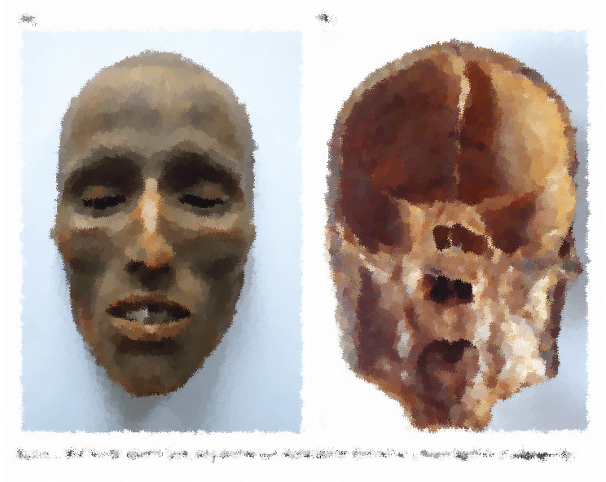
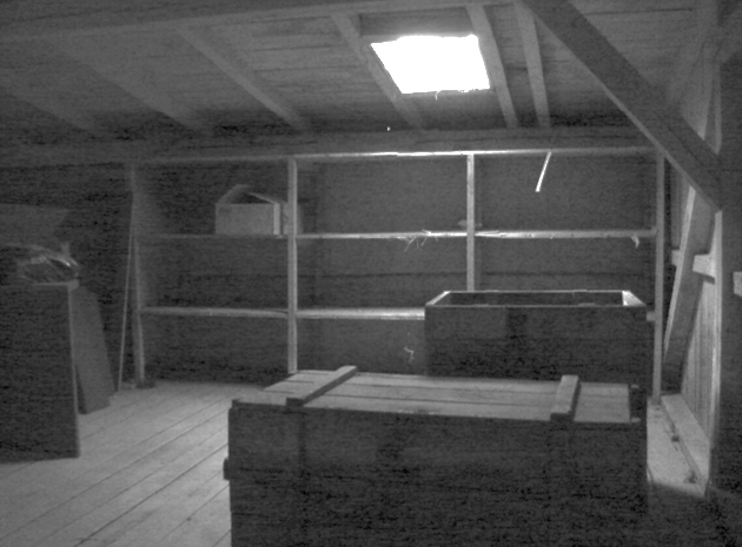
This beautifully written paper explores a range of entangled issues relating to the collection and scientific handling of human remains. The piece departs from the discovery of a strange specimen – a preserved human face in a wooden crate – in the attic of the Francisc I. Rainer Institute of Anthropology in Bucharest in 2010. The face, extracted from a human cadaver at the turn of the last century, showcased a unique method to preserve human tissue developed by anthropologist and pathologist Francisc I. Rainer, a technology that very soon after its conception fell into oblivion, and with it, the scientific relevance of the face itself.

The face in anterior and posterior view.
Original published in Ion 2021. Intentionally blurred for this blog. Published with permission from Alexandra Ion.

The article explores the history of the specimen and contextualises it within the anatomy practice of the time. We can follow a sort of chaîne opératoire of the making of anatomical objects from human bodies, and how the process unfolds in space, in different parts of the building – from the intake on the ground floor, through different rooms of preparation and display. At some point in time as it becomes obsolete and forgotten, it moves out of the public eye into a closed crate in the attic, tucked away with other items from the past, including papers and photographs. An object among objects. Form here it then emerges at the time of its discovery in 2010. But it is changed. No longer a valuable piece to demonstrate technological skill and methodological progress, it has become an uncomfortable artifact of a problematic past. Like many liminal phenomena, by definition situated between categories, it causes discomfort. Ion describes how she moves it through the building to find a place for it that seems appropriate…the office, the lab….it no longer fits anywhere.

The attic of the Francisc I. Rainer Institute of Anthropology. Published in Ion 2021.
Photo by Alexandra Ion. Published with permission from Alexandra Ion.

In many ways the journey described by Ion for this specimen, is typical for many anatomical collections today. They have become matter out of place (sensu Mary Douglas). No longer useful in the way they were once perceived and even made, they have transformed into something strange, historical, and perhaps, to some, upsetting. The transfer of many anatomical collections from medical spaces to history museums is a tangible expression on a larger scale of this redefinition.

The recurring question then becomes: What to do with them? This is a central question also for the Ethical Entanglements project. Ion offers an interesting approach when suggesting that we can view them, not only as archives (which they are), but also as ruins. Drawing inspiration from Thora Petursdottir’s and Bjornar Olsen’s writings on modern ruins, she views them as “caught between the past and present, between fascination and strangeness.” This opens up a venue to explore our own encounter with them as meaningful and important in new ways, drawing on scientific curiosity, but also emotion and nostalgia.

How do ethics relate to this? The paper centres on the multiple ethics entangled in the engagement with human remains – something that our discussion about the paper came to focus on:

“Alexandra’s inspiring approach to anatomy collections as “modern ruins” made me reflect about our responsibility towards human remains collections. As archaeologists, we work on the principle of preservation through documentation, and it would not occur to us to bury an archaeological site before investigation and documentation. Likewise, I believe it is our duty to engage with these legacies, however uneasy they may be.”

Rita Peyroteo Stjerna

“Alexandra’s paper was intelligent, thought-provoking and sophisticated. I was delighted that she was able to talk with us about it. In a wide-ranging discussion, we talked about how we can extend debates beyond the post-colonial critique, about multiple ethics and how we manage the tension between object and person that human remains present, among other things. We talked about circumstances in which displaying human remains might be a more appropriate solution than concealing them. We went on talking well past our scheduled hour of discussion, which is testament to how rich and engaging Alexandra’s work is. I hope that we will find ways to include her in some future discussions.”

Sarah Tarlow

I too congratulate Ion on this important and beautiful paper. The metaphor of the ruin is interesting and captures an important dimension in the engagement with human remains of the past, emphasising the emotional and affective in this encounter, adding an important dimension to the scientific and historical values often mentioned in the debate. But it also has limitations.

“…to me, as ruins these human remains from the past remain inhabited, if not necessarily haunted”

Liv Nilsson Stutz

To me it remains a metaphor that captures an encounter between a subject in the presence of an object from the past. But human remains are not neutral objects, something Ion also discusses. I want to embrace the liminality of the category fully, and recognise, as a point of departure, that human remains from the past always retain a certain level of their subjectivity, also in the present. To build on the metaphor: to me, as ruins these human remains from the past remain inhabited, if not necessarily haunted.

Addressing dark heritage in exhibitions. The University Museum in Groningen.

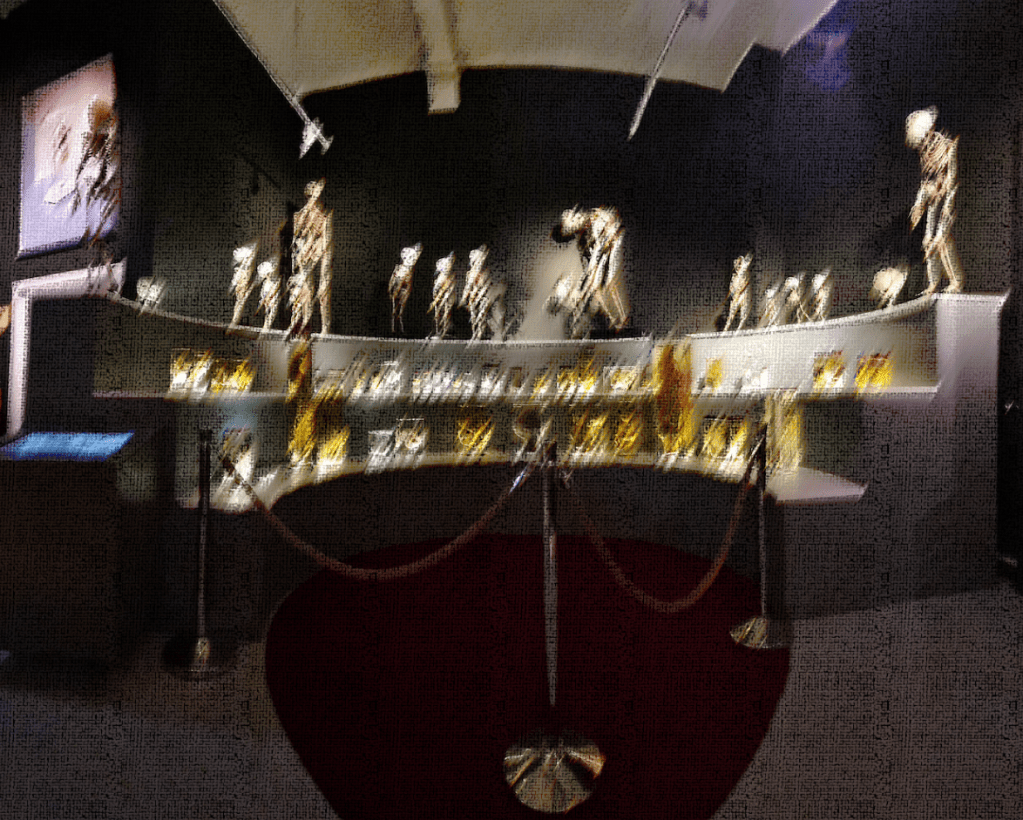
After our visit in Amsterdam I continued to Groningen which aslo has an anatomical collection on display in its University Museum. Here, the anatomical collection is part of the exhibition on the history of the university and its scholars, and it is thus clearly inscribed in the broader history of research and scholarship. A separate room is dedicated for this purpose. The anatomical display is arranged on stepped shelves organised in a semi-circle, with mounted skeletons on top and with preparations of body parts and organs on the lower shelves. The room has a claire-obscure quality with dimmed lights and spots illuminating the white bones, and the body parts almost glowing through the amber coloured liquid of the old preparations. The display is accompanied by an interactive screen where visitors can see close-up photographs of each displayed specimen and read descriptions about pathologies and preparations. The exhibition is extremely interesting, quite moving, and, I must admit, very aesthetic. 

The anatomical collection arranged on stepped semi shelves organised in a semi-circle. Photo by Liv Nilsson Stutz (intentionally manipulated)

On the opposite side in the same room, an exhibition is devoted to the contribution of Petrus Camper (1722-1789). Camper was Professor Medicinae Theoreticae, Anatomiae, Chirurgiae et Botanicae at the University of Groningen from 1763 and to his death. He was an academic celebrity of his time and a leading scholar in many fields, including comparative anatomy.

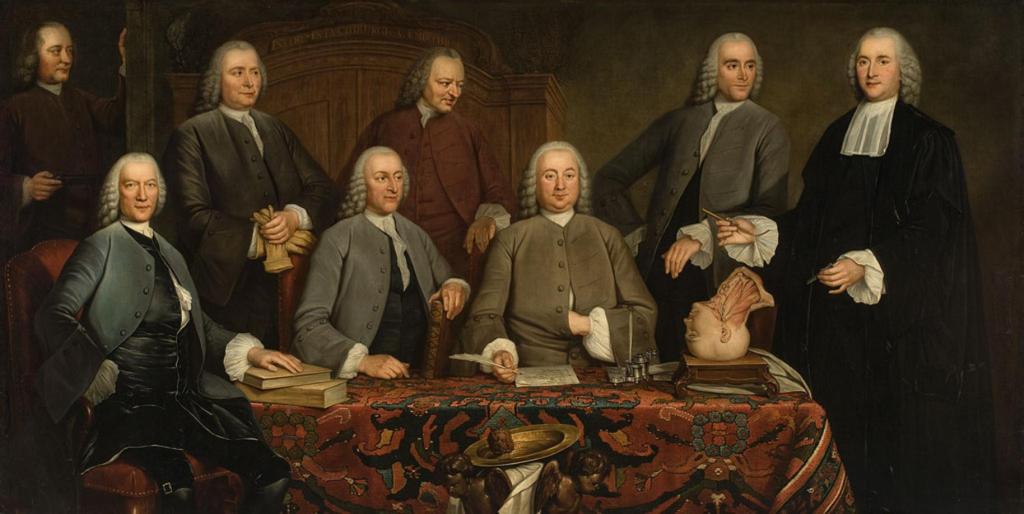
Tibout Regters – De anatomische les van Petrus Camper. Amsterdam Museum, Public Domain.

As part of his research, Camper studied the anatomical differences between humans and apes, in particular crania and larynxes. To address the context of this research, the museum signage both celebrates and problematises his legacy. The exhibition called “Bitterzoet Erfgoed” (Bittersweet Heritage) informs us that while Camper lived in a time of colonialism and slavery, he “did not accept this worldview” (i.e. slavery). That being said, the text continues “Camper’s work cannot be separated from colonial history,” as “he collected specimens (human and animal) from colonised regions including the skulls and skin specimens on display in this exhibition.” The next sentence sums up the central dilemma:

“This raises complex questions. We want to tell the story of Petrus Camper, but also treat the remains of people who did not choose to become subjects of scientific research with respect”

Text in the exhibition about Petrus Camper at the University Museum in Groningen.


Several human crania are on display in this part of the exhibition, and a color coded map indicates their provenance including Madagascar, Europe, Java, Russian Republic of Kalmykia, Angola, China, Jakarta, and Mongolia.

Display of skulls from different parts of the world. The crania wee collected by Camper for his research into comparative anatomy. Photo: Liv Nilsson Stutz, intentionally blurred.

The transparent and honest way in which the exhibition communicates about the content of the collections and their problematic history, is interesting and quite admirable. The display of remains such as skin samples brings the hot button topic of racism into focus. The exhibition strikes the balance between communicating that while Camper’s research was not seeking to support racism as an ideology and a “scientific” concept, he still worked within a context of colonialism and othering. And while not explicitly stated, the knowledgeable visitor can probably fill in the blanks as to how this research tradition came to be enmeshed with race science only a few generations later. While taking risk with this display, the museum paradoxically takes responsibility for its collections as it does not try to avoid confronting difficult issues or hide its collections.

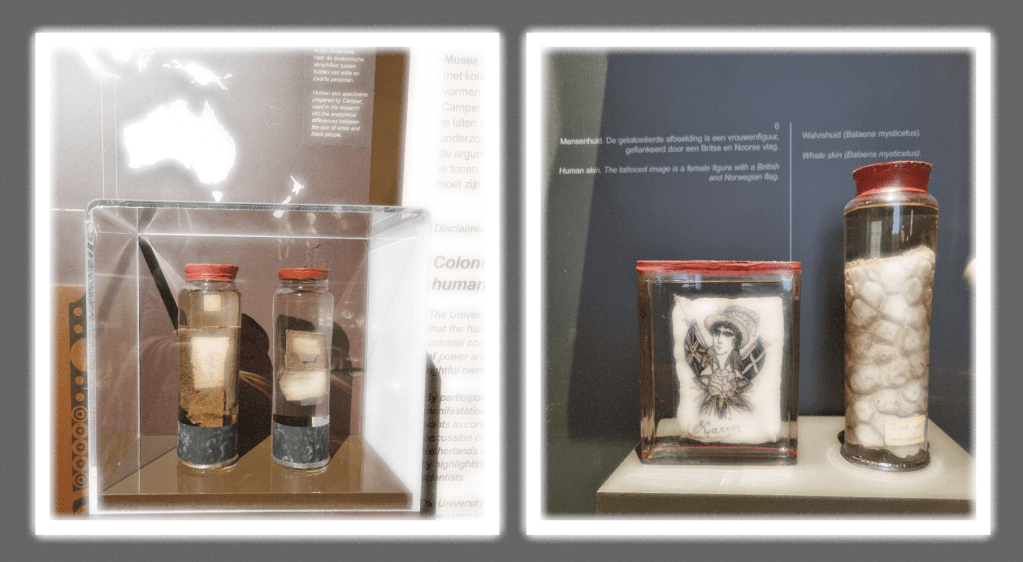
Skin samples on display in the museum. To the left, skin samples form humans from different parts of the world, displayed in the Bittersweet Heritage exhibition. The samples were used by Camper to understand human variation between white and black skin. To the right, human tattooed skin (the face of a woman and the British and Norwegian flags) exhibited with the skin of whale to illustrate Camper’s work in comparative anatomy. Photos by Liv Nilsson Stutz, intentionally blurred.

Interestingly (and typically) the problematisation is limited to the anthropological research and exhibition, and does not discuss the medical collection displayed only a few meters away in the same room. The context of the “bitter sweet heritage” is not extended to include collection practices from other contexts (such as, presumably, maternity wards and other care facilities). This relates to a more general pattern that we can see in how different categories of human remains sometimes are treated with different consideration and levels of problematisation.

Museum Vrolik and Body Worlds Amsterdam: reflecting on two exhibitions of human remains

In early November, we (Sarah Tarlow and Liv Nilsson Stutz) visited the Netherlands with the objective of viewing two different exhibitions of human remains: Museum Vrolik and Body Worlds, The Happiness Project, Amsterdam. While we realised it would be two distinct experiences, we were not quite prepared for just how radically different these two exhibitions would be, and how entangled the ethics of it all would appear at the end of the day.

The signage to the museum in the hospital foyer underscores the medical context of the collection. Photo by Liv Nilsson Stutz.

The Museum Vrolik is located on the bottom floor of the Amsterdam University Medical Center. As you enter the building you find yourself in a contemporary hospital, but as you turn left and enter the dark space of the museum you take a step into the past. A sign at the entrance cautions you that the exhibition contains human remains and may not be suitable for sensitive visitors. Photography is not allowed. The Museum website states:

“You should compare your position as a visitor to the Museum Vrolik with students of medicine during a practical anatomy session in the dissecting room. They observe and dissect mortal remains, but do so with proper respect and they are not allowed to take photographs of whatever they see in the room”

https://www.museumvrolik.nl/en/about-the-museum/human-remains/

Museum Vrolik has an impressive collection. The remains were collected between 1750 and 1950. It contains 3300 human bones, skulls, and complete skeletons, 840 anatomical preparations with congenital defects, 1230 human anatomy preparations, 7400 glass negatives, 600 preparations related to dentistry, 530 plaster models and casts, 1760 drawers of brain slices, and 410 wax models. In addition the museum also contains animal bones and preparations. Only a small sample of this impressive collection is exhibited.

Cover of the catalogue of the Museum Vrolik “Forces of Form,” for sale in the museum shop. While I do not want to link to any online content of the displays, I show the cover of this book to provide an impression of the kind of specimens exhibited in the museum.

The exhibition consists of one square shaped room with dimmed lights and aesthetically illuminated glass display cases forming four areas in the center of the room displaying anatomical and pathological specimens, and along the perimeter of the room, a series of display cases that chronicles the history of the collection. It is breathtaking.

The collected are categorized as “objects of science” – but the display invites us to see people who once lived with pain, disability and strength to survive many years under difficult circumstances. It is moving and unsettling all at the same time.

In the historic overview the collection is contextualised with a focus on the collectors and their roles in the history of research. The presentation is honest and transparent and mentions collections from cemeteries and medical wards. In contrast to the matter of fact tone in the texts, the actual exhibition in this part of the museum is sometimes very moving – especially the mounted skeletons of physically disabled individuals, one of which is still leaning on their cane. The juxtaposition between the factual narrative on the signs with the emotional displays is interesting. While only the collectors are visible as agents in the narrative, the collected demand our attention in the display. It suddenly dawns on us that there is contextualisation but no problematisation. The collected are categorised as “objects of science” – but the display invites us to see actual people who once lived with pain, disability and the strength and support to survive many years under difficult circumstances. It is moving and unsettling all at the same time.

The main part of the exhibition focuses on anatomy and pathology. Here there is very little contextualisation of the collection beyond that of the human body itself, which presents itself as a timeless medical fact. The preparations of fetuses and new borns, or of more complete body parts, add a dimension of subjectivity to the exhibition, bringing to the fore a shadow of individual lives – viable or not. But in the end, these remains are exhibited as objects of science.

While an explicit reflection on the ethics of collection is absent from the exhibition, the museum webpage includes a statement that recognises that collection practices in the past were very different to contemporary medical practices, and that it is not possible to know if the deceased or their relatives consented to, or were even aware of the fact that the remains were collected. Just like in the exhibition itself, it is in the voids between what is explicitly stated and what is implicitly felt, that the ethical entanglements emerge for us to reflect on. It is interesting and moving.

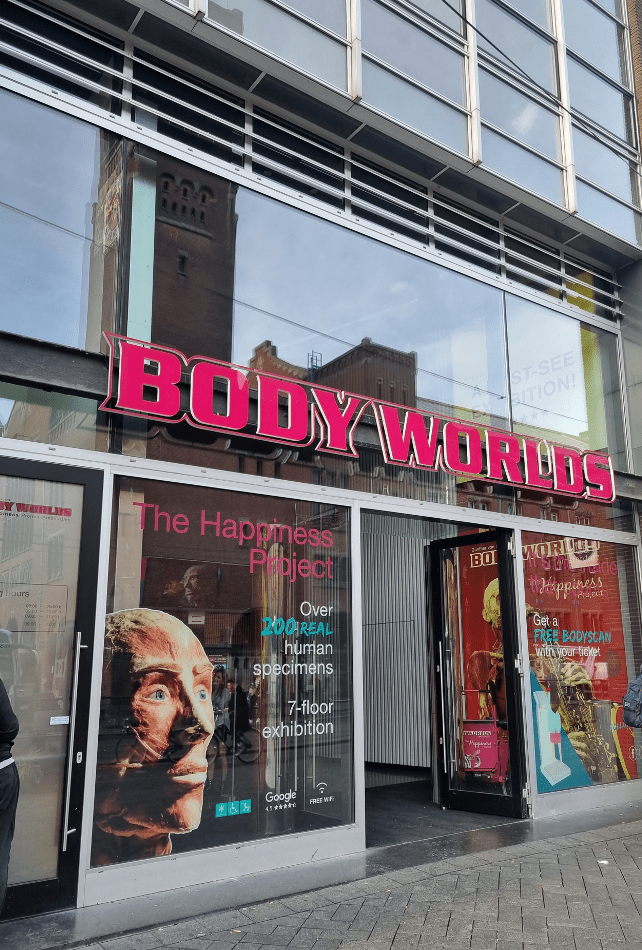
Entrance to Body Worlds in Amsterdam, advertising the exhibition of “over 200 real human specimens” in the midst of the Amsterdam tourist district. Photo by Liv Nilsson Stutz.

Later the same day we visited Body Worlds, The Happiness Project, Amsterdam, located in the tourist area of the city center, and marketed at the entrance by a man who, like in a manner that reminded us of old time fair ground exhibitions or freakshow, enthusiastically invited us in.

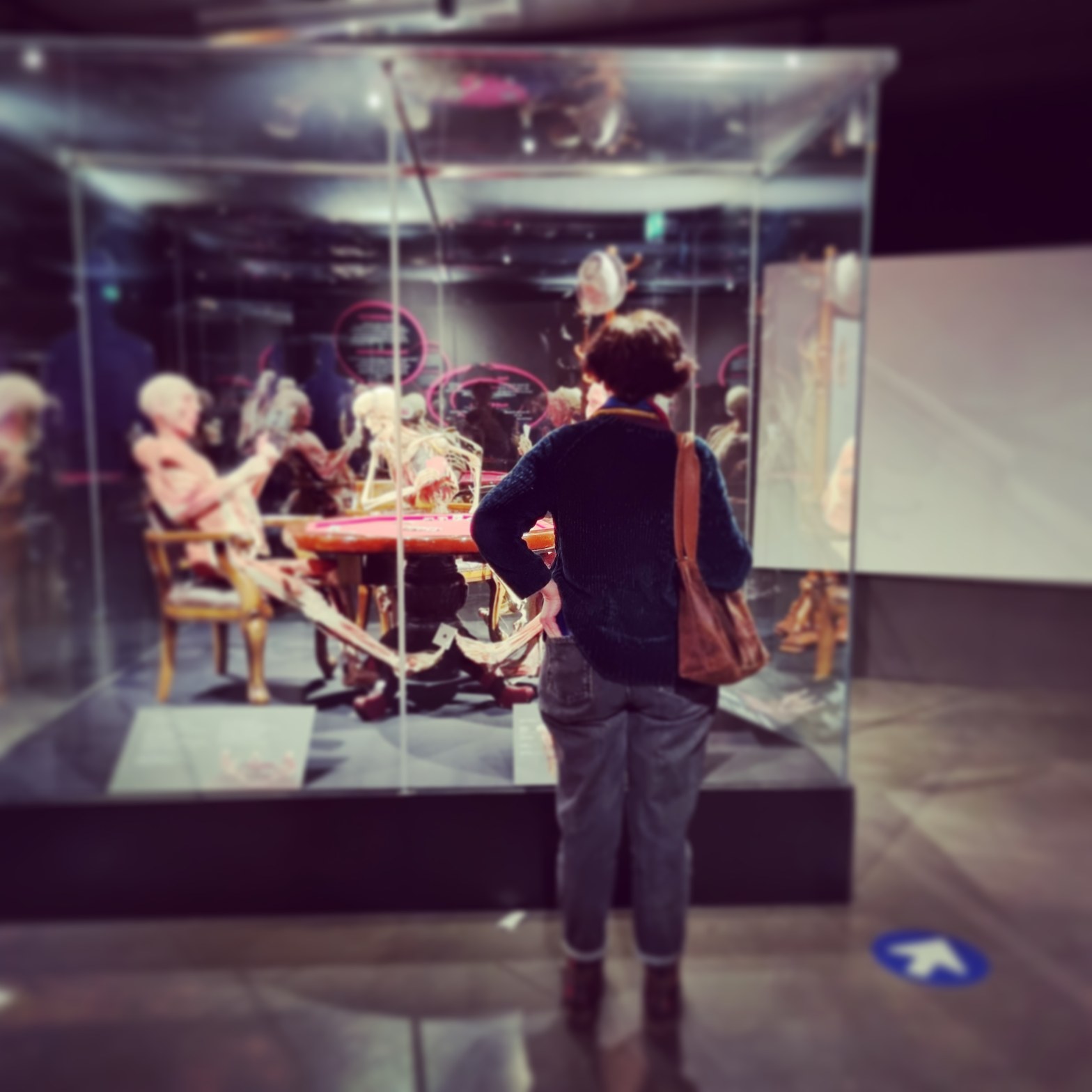
Three separate displays of plastinated human bodies at Body Worlds Amsterdam. Note the sexualised position of the woman (left), the active position of the male (center). To the right an arrangement of sexual intercourse. Photos by Liv Nilsson Stutz.

Body Worlds has become a world wide sensation and a lucrative private enterprise. Günter Hagen who developed the plastination process which makes it possible to display the anatomical structures of the human body like sculptures, has marketed the venture as a mission to educate lay people about anatomy and health. Body Worlds has been criticised for using unethically sourced bodies, but today claims that all bodies on display are of people who have given their informed consent.

The Amsterdam exhibition mixed the exhibition of plastinated bodies staged in evocative poses with the display of individual organs. The whole bodies were positioned in a way that was always gendered and sometimes even sexualised, with female bodies placed lifted, lying down or leaning to the side with their legs apart, and with male bodies jumping a fence, playing a saxophone and steering a ship. One room was devoted to sexual intercourse. The theme chosen to frame the exhibition was happiness, and it was communicated through basic educational texts about health and well being, and through inspirational quotes. Despite the unique selling point of Body Worlds – the display of actual human bodies (in the middle of the tourist district no less) – the experience seemed artificial. It was difficult to connect to the material/humans on display. The commercialisation of the venture added to the confusion. Was the purpose of the exhibition to provide education, and the plastinated bodies were used as a way to lure people to pay over 20 Euros for a mediocre learning experience? Or, was the educational theme just added on as a justification to show dead human bodies? It was impossible to say.

The contrast between the two exhibitions could not be greater. Museum Vrolik showed old and admittedly sometimes problematic collections, but managed to inspire compassion and emotion, while Body Worlds felt like a commercial carnivalesque display trying to pass as education. Even if these bodies were displayed with consent, the ethics seemed more muddled than ever.

The Anatomical Collection at Karolinska. Report from a seminar.

On March 29, 2022, Karolinska institutet organised a seminar on their anatomical collection. The purpose of the seminar was to present the history of the collection, and to discuss possible ways forward as the institution grapples with a problematic history. This work is part of a broader engagement on behalf of Karolinska with regards to its history, and in particular its past connections to research on “race”, and the place the collection of crania had in this history. As a first formal step of this process of reckoning with the past, the institution raised the issue of honorific names on its campus – a topic already discussed in this blog. The second step is now to handle the collection of human remains.

Biomedicum, Karolinska Institutet – location for the seminar. Photo: Liv Nilsson Stutz

The seminar was introduced by the University President Ole Petter Ottersen who welcomed all to the newly inaugurated lecture hall named in honor of Eva and Georg Klein, both Jewish immigrants from Hungary after the Second World War, and viewed as representing the value of civil discourse and academic conversations also about difficult topics. To me, this introduction rightly framed the collection of human remains as such a difficult topic, as one worthy of civil discourse and academic exchange and – perhaps most importantly, as a topic around which we need to start by listening to one another.

The seminar was not uncontroversial and had received criticism even before it started, for example by Amnesty Sápmi. The critique focused on the fact that the speakers were identified as majority population seniors, and as such not able to speak on behalf of the remains themselves, or on behalf of descendants. This is true. But then again, the participants did not claim to do this, but rather participated to explore the topic from historical, anthropological and legal perspectives and expertise.

As the first speaker, Dr Imelda Helena Ek (Karolinska Institutet), presented her report on the history of the collection and placed it within a broader 19th century context in which race biology was an inherent component. The history of the collection is complicated by the fact that it was partially destroyed by a fire in 1892, during which the archives that today would have allowed researchers to retrace a lot of the history of individual remains, were lost. Typically, as the collection became obsolete for medical science and eventually also problematic, it has circulated between different institutions including Stockholm Univerity, Gutavianum and the Medical History Museum. In 2015 the collection returned to Karolinska and once more became its responsibility. Since the remains were returned they are not available for research and are not exhibited. Several international repatriations have been completed following international praxis. A sensitive part of the collection constitutes the remains of 70 individuals, a majority represented only by their cranium, that were taken from graves (both from prehistoric sites and from abandoned historic cemeteries) in Finland, during an expedition in 1883. While these remains were dug up, they were not part of any regular archaeological excavation, but must be viewed as collected for anatomical purposes. The motivation to collect these remains was to obtain specimen of what was considered to be “Finnish types” for the comparative anatomical collection. There is thus a direct line here between both race science and Sweden’s colonial history. It is generally felt that this collection is problematic, but according to KI any repatriation must be negotiated between the Swedish and the Finnish states. All KI can do is to inform about what they have in their care.

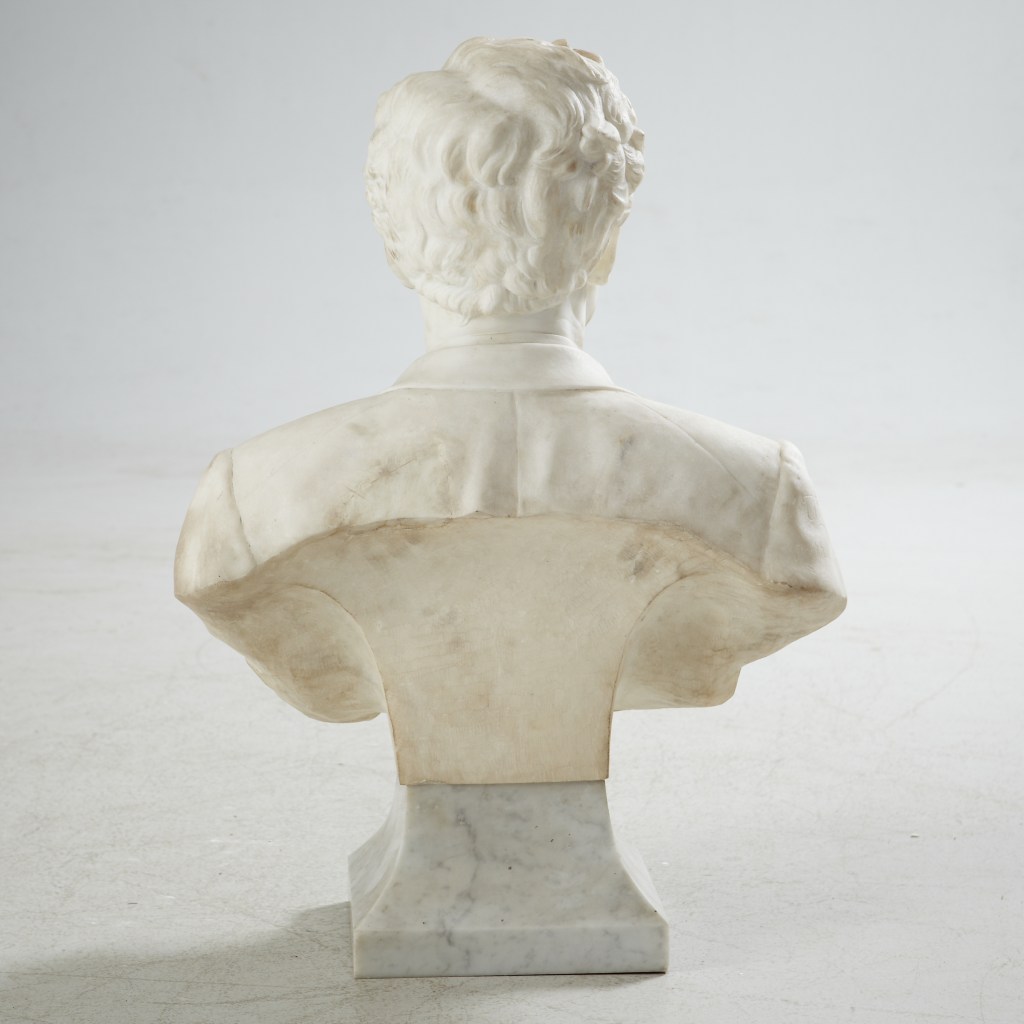
Back of bust of Gustaf Retzius. Source: Stockholms Aktionsverk

The second speaker was me (Liv Nilsson Stutz), and I focused on problematising one of the main ideas of the project Ethical Entaglements, i.e. the way in which human remains are situated on a sliding scale between objects of science and lived lives, and how the ways in which we perceive them depend on their state, character and history, and on external factors such as social and cultural awareness. As a suggestion of consideration for the future I also proposed that instead of rushing to clean out the closets, we approach the responsibility from a perspective of ethics of care, and thus move beyond the idea of formulating strategies based on the perceived value of the remains for science. An ethics of care perspective also means that institutions may have to take long term responsibility for remains that will never be claimed for repatriation, and also for its history and heritage – even when dark and uncomfortable.

The final speaker was professor emerita Kirsti Ström Bull who presented her experiences as a legal scholar involved in the legal cases leading up to the repatriation of Sámi remains from institutions in Norway. These cases have had a long term impact on the handling of ethical evaluation of research on human remains in Norway, where currently a national ethcis committee (Skjelettutvalget) reviews all requests for research on human remains. In cases of Sámi remains, the Sámi parliament is always included in the consultation. This kind of mechanism might be very valuable also for Sweden to consider as we build a more solid research ethics on human remains from all contexts – going beyond the immediate considerations of the Karolinska collection. Professor Bull underscored the importance of allowing the process to take time and be an opportunity to build trust and understanding.

“While we’ve had an academic discussion today on complex issues in which different opinions and criticisms have been raised, what we’ve also discussed concerns the concept of the equal value of all humans.”

President of KI, Professor Ole Petter Ottosen

After the presentation the floor (and online chatroom) opened for questions and comments. Natte Hillerberg from the organisation Sträva at Karolinska (an organisation of students and alumni at Karolinska organising for equal care for all) called out the lack of representation on the panel. She drew attention in particular to the human remains collected in Finland. The Q&A with participants in the auditorium and online explored issues relating to what might happen to the collection in the future, what kind of research questions may be explored, possibilities and experiences of repatriation of human remains from the collection, and what KI can learn from good experiences of repatriation from, for example Norway.

President of KI, Professor Ole Petter Ottosen concluded: “While we’ve had an academic discussion today on complex issues in which different opinions and criticisms have been raised, what we’ve also discussed concerns the concept of the equal value of all humans.”

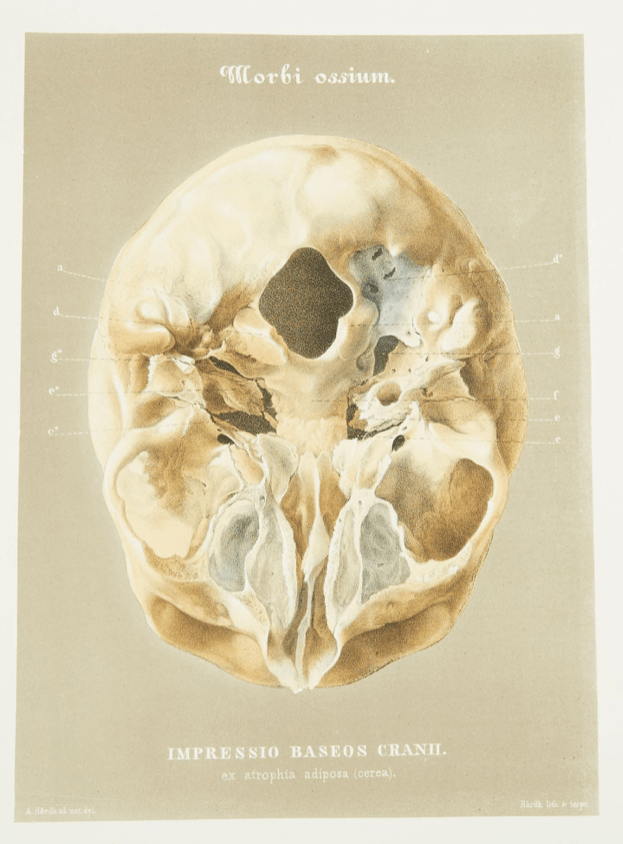
FEATURED IMAGE: ANATOMICAL PLATES 1855. RETZIUS, ANDERS et al. Museum anatomicum Holmiense quod auspiciis augustissimi regis Oscaris primi ediderunt professores Regiae Scholae Medico.Chirurgicae Caroliensis. Sectio Pathologica.