On November 5th, 2025, the Fondazione Professoressa Carla Barbati awarded Nicole Crescenzi for her PhD thesis “Exhibiting Human remains: an issue at the intersection of ethics, museology and law” defended at IMT Lucca on June 11th, 2025.
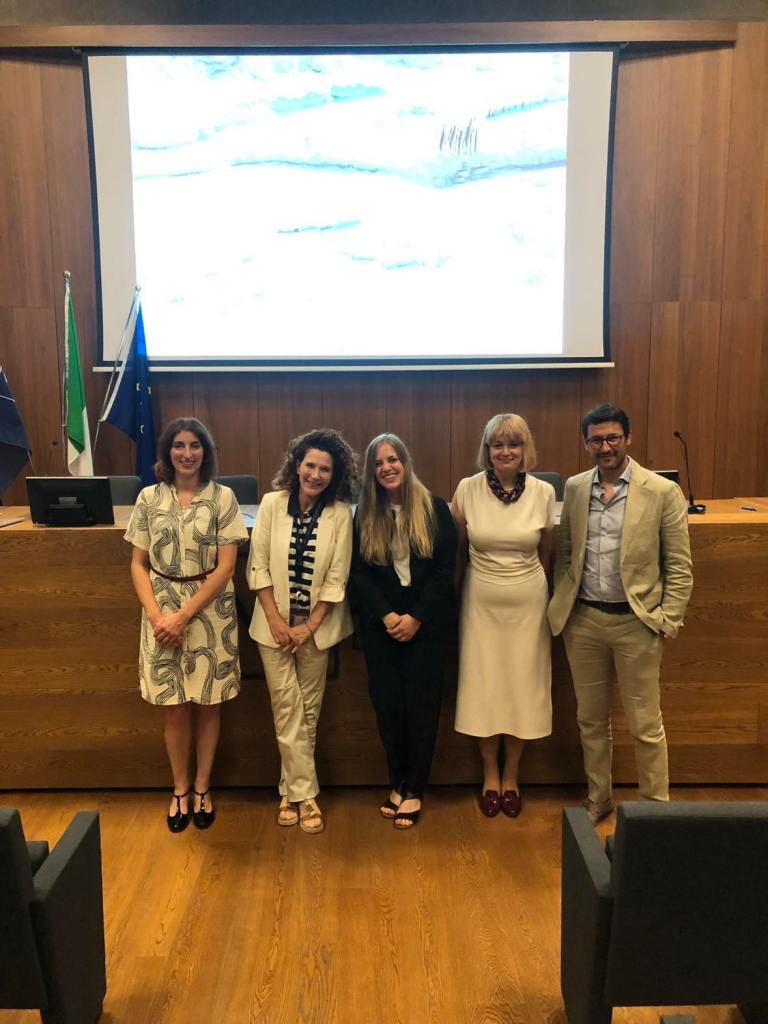
Afetr the very successful defense, from the left: Dr Hayley Mickleburgh, University of Amsterdam, Professor Marialusia Catoni, IMT Lucca, Professor Liv Nilsson Stutz, Linnaues University, and Professor Ricardo Olivito. Absent from this photo due to digital participation: Professor Melanie Giles, University of Manchester and Dr Christian Greco, Museo Egizio, Turin.
In her thesis Nicole explores the exhibition of human remains as a contested and controversial subject. She discusses different perspectives related to understanding the practice of exhibiting human remains in museums. The project collected information on the handling of human remains in museums and investigated the perspectives of both museums’ visitors and professionals through surveys and interviews, and compared the results obtained for different European countries. She also applied an ancient historical perspective to a debate that was so far mostly focused on modern and contemporary history. Doing this also meant that, in the line of Ethicakl Entanglements, all human remains, including the archaeological ones, that scholars had, up until now, left on the side, with very few exceptions were included in the discussion. The thesis includes a synthetic catalogue of regulations museums and states adopt in exhibiting human remains, a first catalogue of European museums hosting human remains in their collections, and a broad investigation of museums visitors, covering European and non-European countries. The thesis will be published by Oxbow.
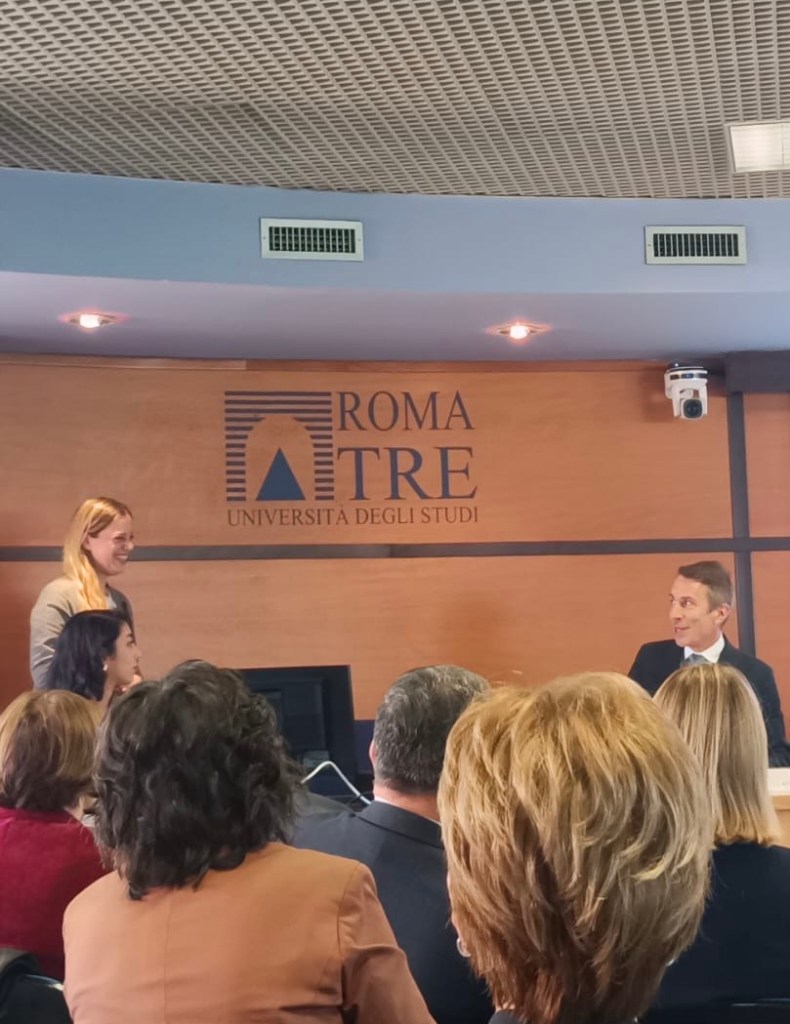
Nicole Crescenzi at the award ceremony, the 5th of November, 2025.
The Fondazione Professoressa Carla Barbati is a non-profit organisation established to honour the memory and continue the work of Professor Carla Barbati, an eminent scholar of cultural heritage. Its mission is to promote the study of cultural heritage in all its tangible and intangible forms, from an interdisciplinary perspective rather than an exclusively legal one. The Foundation awarded prizes for theses that explore the theme of cultural heritage in all its tangible and intangible forms, from an interdisciplinary perspective. Liv Nilsson Stutz who acted as co-advisor to the thesis together with Professor Marialuisa Catoni is incredibly proud of Nicole for receiving this distinguished award for her work, as is the whole The Ethical Entanglements team
On 29 August, Rita Peyroteo Stjerna (Uppsala University) and Mari Tõrv (University of Tartu) chaired the roundtable “Academic Feudalism”: Research Ethics and Sustainability in Biomolecular Archaeology at ISBA11 in Turin. The session focused on ethical and sustainable approaches to cultural heritage research through the lens of biomolecular archaeology.
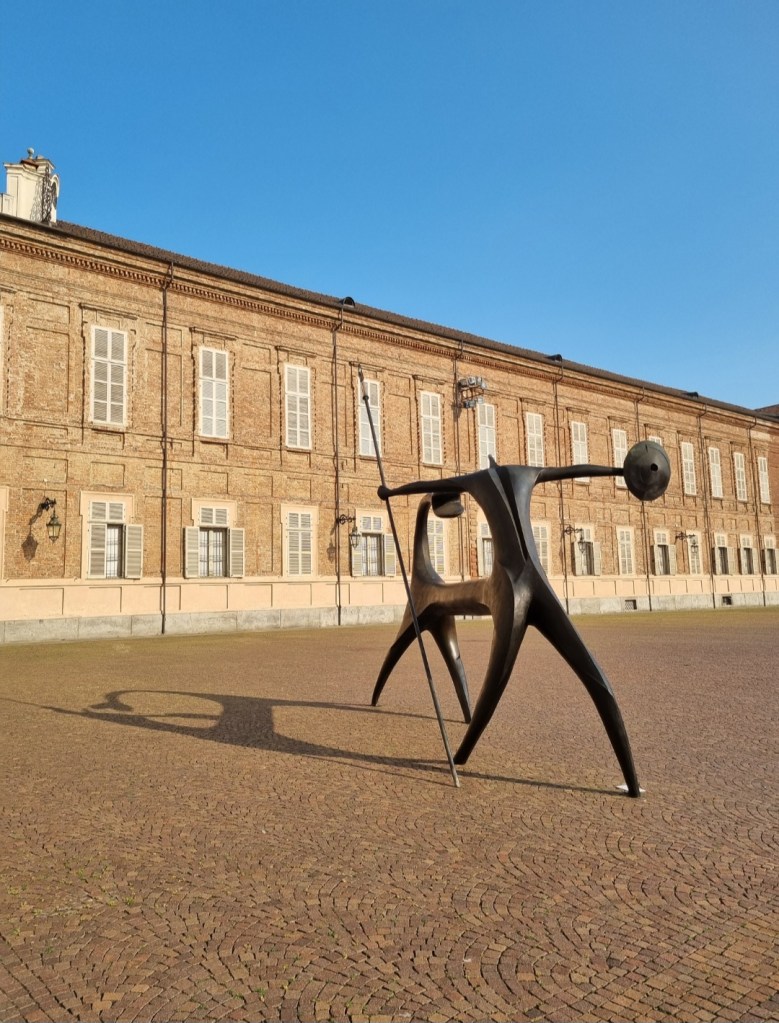
Turin. Photo by Liv Nilsson Stutz
“Instead of a regular session, we proposed a roundtable with guest panelists from diverse backgrounds and career stages. Roundtables allow more time for discussion and sharing experiences. They’re a great way to openly address complex topics, and we believe we fostered a critical yet constructive dialogue on how the field can evolve by confronting ethical dilemmas at key stages of research.”
When ethics in biomolecular archaeology are discussed, the usual concerns often include destructive sampling – especially of human remains – and the role and rights of present-day communities. While these issues are essential and must remain part of ongoing conversations, professional ethics in our field extend far beyond them. This broader scope was the focus of our roundtable.
This year’s panel was structured around two inward-looking themes that examine our discipline and daily professional practices:
Unbalanced Relationships in Knowledge Production
Sustainability and Equity
We had over an hour for panel discussion, followed by audience questions and comments. The conversation could have easily continued much longer – audience engagement was high, and it was clear that many are eager to improve professional ethics in our field.
We’re deeply grateful to the six panelists who accepted our invitation – and our challenge – to share their insights and experiences:
André Colonese (Universitat Autònoma de Barcelona)
Audrey T. Lin (American Museum of Natural History)
Selina Carlhoff (Max Planck Institute for Evolutionary Anthropology)
Katerina Douka (University of Vienna)
Matthew Collins (University of Cambridge, University of Copenhagen)
Beatrice Demarchi (University of Turin), head organizer of ISBA11
We hope this session was as inspiring for participants as it was for us. Ethics is not a checklist – it’s a continuous, evolving process that demands attention, reflection, and engagement. As professionals, it’s our responsibility to keep this dialogue alive and confront the dilemmas that shape our field.
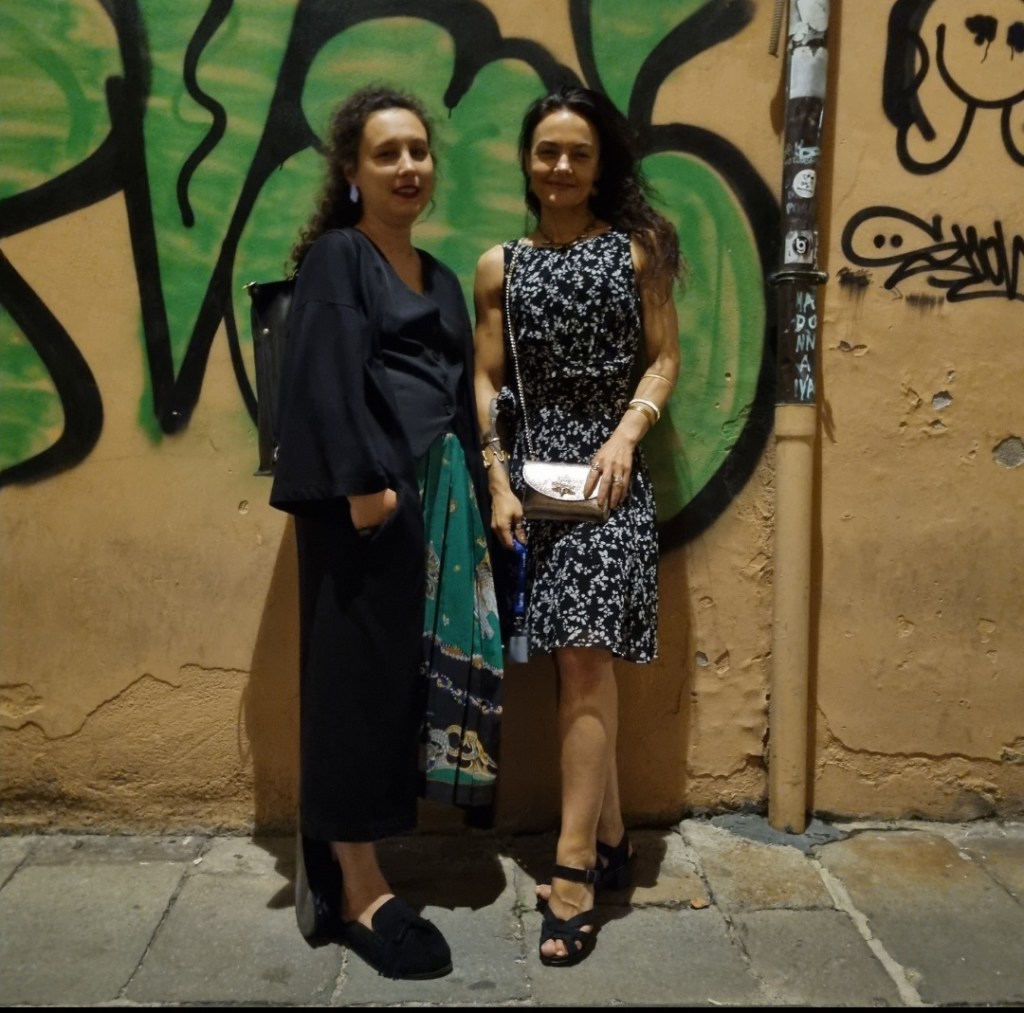
Mari Torv and Rita Peyroteo Stjerna. Photo by Liv Nilsson Stutz
We also hope this roundtable is just one of many, sparking ideas for how the community can carry this conversation forward – within departments, research groups, and future conferences. Whether through workshops, roundtables, or case discussions, it’s vital to learn from each other’s experiences – both the successes and the challenges.” – Rita & Mari
This initiative is part of Rita’s subproject “Researchers’ Perspectives” within the Ethical Entanglements project. She also served on the ISBA11 Scientific Committee, contributing to the Ethics subsection.
Turin, like many other Italian University cities, has a long, illustrious, and sometimes problematic legacy of anatomy. Here, some of the largest anatomical collections were formed in the 18th and 19th century, and Italy is also the place of origin for the development of wax models used to teach anatomy and medicine.
A Cathedral to Science
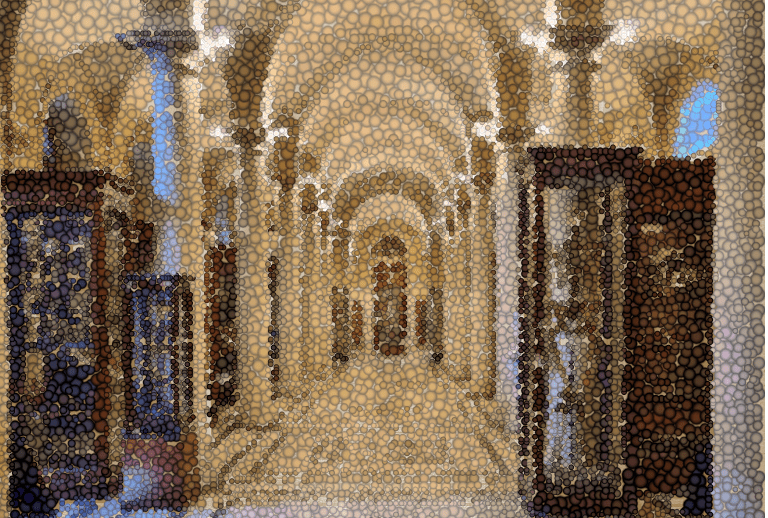
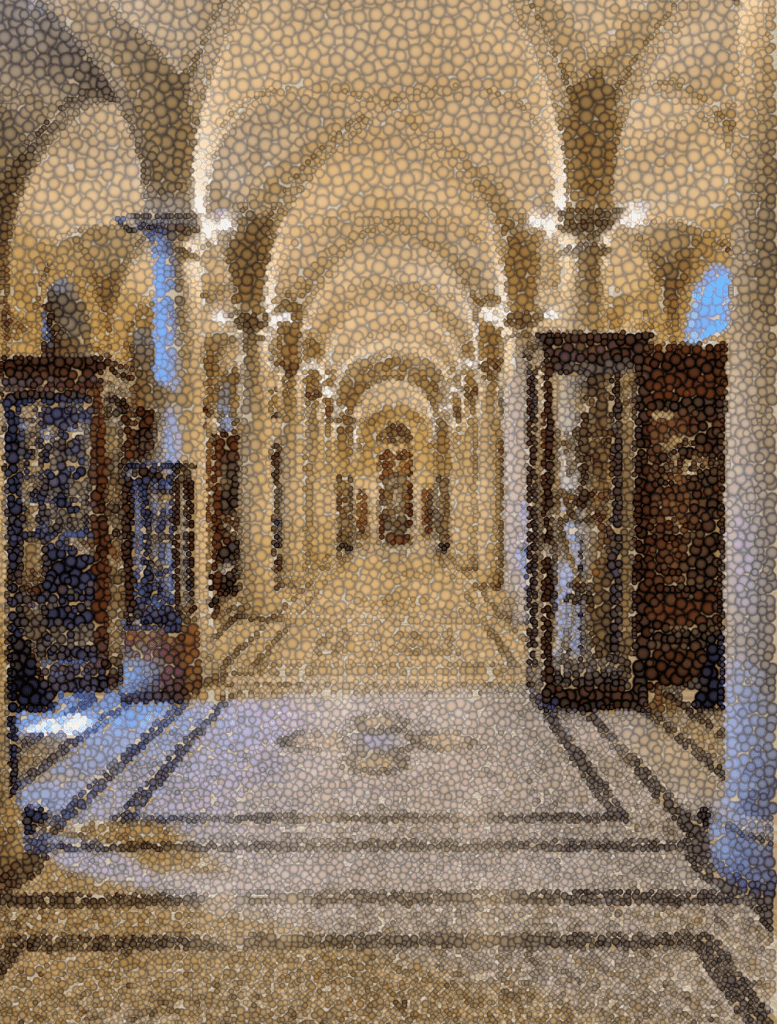
Named after the anatomist Luigi Rolando, the Museum of Human Anatomy is still on the premises that University of Turin built for it in 1898. It is referred to as “a Cathedral to Science,” and its basic outline recalls the shapes of a basilica. When you enter the museum, you step into a central nave, stretching out in front of you in a unilinear direction, guiding your gaze and movement toward a room at the far end that reminds us of an apse, the place dedicated to the main altar and the holiest part of a cathedral. We will return to that space later. Pillars separate the nave from the aisles, where large wooden cabinets divide the space to form cells of exhibitions devoted to different anatomical parts or functions of the body. Behind glass, human remains, models in wax, wood, ivory, and papier mâché, dried specimens, and mummified remains make up a remarkable collection that once provided invaluable teaching materials to study the function and diversity of human anatomy.
View of the museum. The photograph has been manipulated to blur the human remains exhibited here without their consent.
At the very entrance of the central nave, two individuals are placed to frame your path: “the dwarf” (sic!) and “the giant” (sic!). They are placed there to illustrate the drive to understand human variation. When you scan a small QR code on the side of the cabinet you learn that the individual with giantism was in fact Giacomo Borghello. Born in 1810, he would have experienced exceptional growth and, probably, related health problems linked to his condition. He worked in a circus and passed away at the age of 19. The individual with dwarfism is of unknown identity. On the walls, just under the vaults, frescos depict famous scientists, anatomists and anthropologists, including Andreas Vesalius, Realdo Colombo, Marcello Malpighi, Charles Darwin, and others. It really does feel like a sacred space devoted to the worship of scientific knowledge. It is beautiful, and as preserved cultural heritage of 18th and 19th century knowledge-production, it is sublime. It is also, of course, highly problematic.
Here, in the temple to science, the human remains appear to be firmly moved to the object-of-science end of the spectrum. Perhaps the most salient illustration of this can be seen in the treatment of two mummified bodies from Bolivia and Peru. The Peruvian mummy is a woman holding a small child in her arms. To the contemporary visitor this would seem quite emotional, but it is hard to make out the shape of these two individuals as they lay behind the glass, placed like objects on an elevated shelf, their surface transformed not just through mummification but also by some form of preservation technique that has left a hard and glassy surface on the skin. They almost look like obsidian lumps: hard and shiny. The shape of the woman’s cranium was modified according to Inca practices during her life time, and to show this phenomenon, the anatomists in the 19th century removed and anatomised her skull. It is now on display, detached and skeletonised, next to her body. None of this would have raised an eyebrow in anatomical circles in the 19th century. But it is still strange that the ethics of the choices made at the time are not addressed or commented on at all in any of the text materials that accompany the exhibition – not even in the online materials accessible through QR code.
Carlo Giacomini’s last will and testament
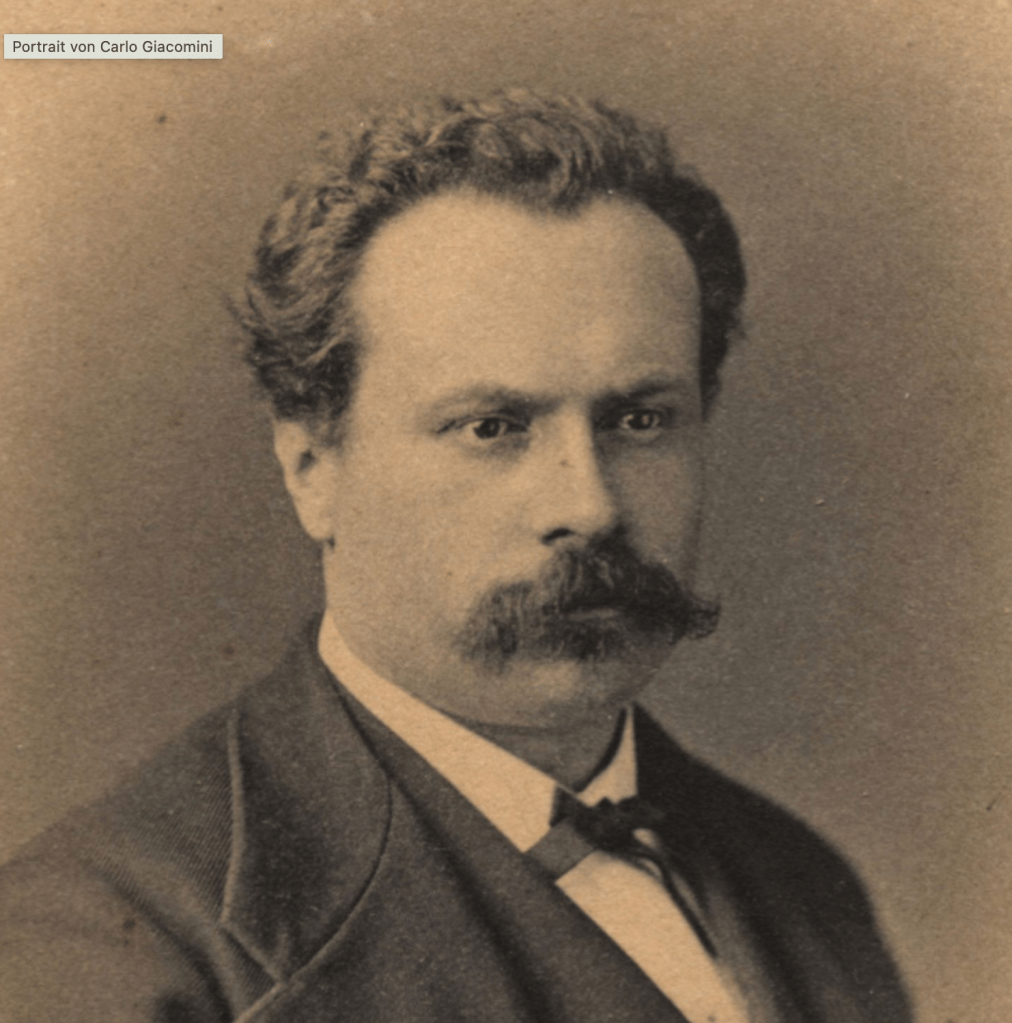
Portrait of Carlo Giacomini (1840-1898), Professor of Anatomy at the University of Turin and director of the Museo di Anatomia Umana Luigi Rolando.
The room at the end of the nave, which I referred to as an apse above, the “holiest part” of the museum, is dedicated to several collections devoted to the brain, its functions, and variations. The field was of central interest to many researchers associated to The University of Turin, which has even been credited as the place of birth of modern neuroscience. During the 19th century, Carlo Giacomini who was professor of Anatomy at the University of Turin and the director of the Museum of Anatomy from 1876, together with Luigi Rolando, dominated the field in Turin. Giacomini devoted a significant part of his career to describe and understand the surface of the cerebral hemispheres and their variation. He also developed a method to preserve brains by drying them using chloride of zink, alcohol, and glycerine. The preservation technique allowed him to collect 800 brains in a comparative research collection, which is now on display in this part of the museum. In this room we also find a part of his collection of crania (over 1,000) of individuals of known age and sex. The information in the exhibition is scarce (even when using the QR codes provided), and it never speaks of context of acquisition, only about the science these “specimens” were collected to support. In the same area there there is also a phrenological collection which once belonged to Joseph Gall, the founder of the discipline, and his pupil Johann Gaspar Spurzheim. It was donated to the museum in 1913.
Cabinet with a part of the collection of crania. The picture is published by the museum but has been intentionally blurred for this blog.
When considering the exhibitions of the mummified individuals and the ones with dwarfism and giantism described above, it would be easy to conclude that the human body was simply an object of science to be collected and studied. The disciplines represented in the museum seem to objectify the “Other” – the disabled, the poor, and the colonised. Context does not seem to matter, and the identity of the individual is only important as it helps establish scientifically significant variables such as biological sex and age of death. But, then, I encounter the anatomised remains of Carlo Giacomo himself, in a display case in the centre of his own research and teaching collection, and I start to wonder if, perhaps, the ideology extends into other, less scientific realms of perception as well.
When he died, Carlo Giacomo donated his body to the museum to be anatomised so that his skeleton and brain (treated according to his specific instructions) could be studied and displayed. The language of the will specifying this donation to the collection is included in the exhibition. At first it might seem like a straightforward donation to science, but the wording of the text reveals additional layers. It reads:
“Being neither an advocate of cremation nor cemeteries, I would like my bones to be laid to rest in the Anatomical Institute,” (—) “I would also like my brain to be preserved with my method and placed in the Museum together with the others.”
It thus appears that this was not simply a donation to science but an actual “laying to rest.” For Carlo Giacomo, the museum appears to have been a more pleasant place for his body than the traditional places of disposal. Did he feel this way due to the fact that the university was so familiar to him that it provided a sort of “home,” or was it that he felt more at ease being surrounded by science, order and hygiene? If so, did he actually think actively that the others his text actually mentions also were included in this type of care? Or were “the others” simply specimens whom he would now join, providing variation and measurements, growing the comparative sample by one? Here, the position on the spectrum all of the sudden starts to move in interesting, surprising, and potentially contradictory ways. The “Cathedral to Science” revelas itself not just as a place of worship and teaching of a new gospel, but also as a place where the dead rest in a privileged place.
The cabinet containing the skeleton and brain of Carlo Giacomo. The photo published by the museum has been intentionally blurred for this blog.
Given the many triggering aspect of the current exhibition, some of which have been discussed above, it would, of course, be absurd to propose this museum as a model for how to think ethically about human remains. But the example of Carlo Giacomo’s will still invites us to reflect not only on the complexity and contradictions at work in the past, but also, perhaps on productive ways to rethink museums for the future.
Earlier this fall, I was invited to celebrate Millie-Christine Day in Whiteville NC. It was a quite spectacular occasion. For the first time hiphop artist, musician, poet, and activist Napoleon Maddox brought the full production of Twice the First Time, a performance that celebrates the life of conjoined twins Millie-Christine McKoy and gives form to persisting marginalization, oppression and violence connected to racism and ableism, to the community in which they were born.
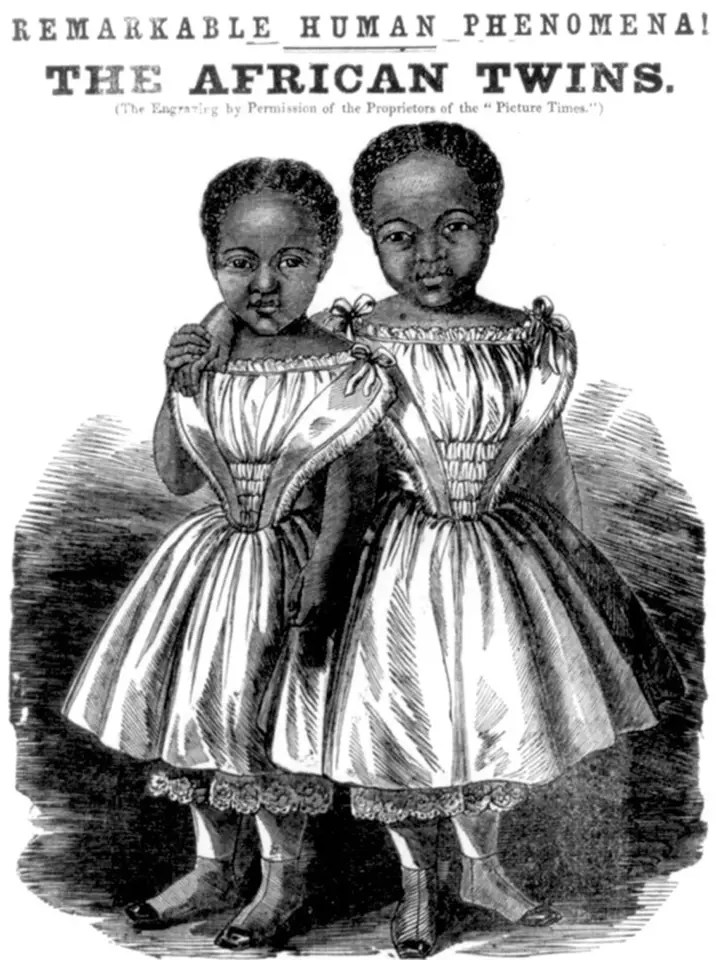
Drawing of Millie-Christine as children, a period during which they were sold and trafficked by various owners who made money exhibiting them.
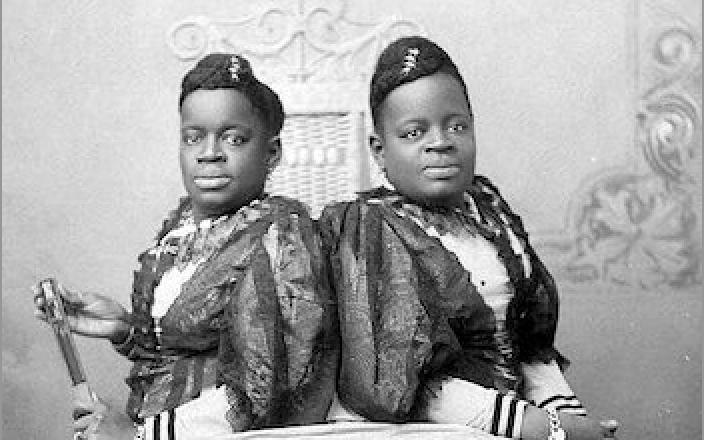
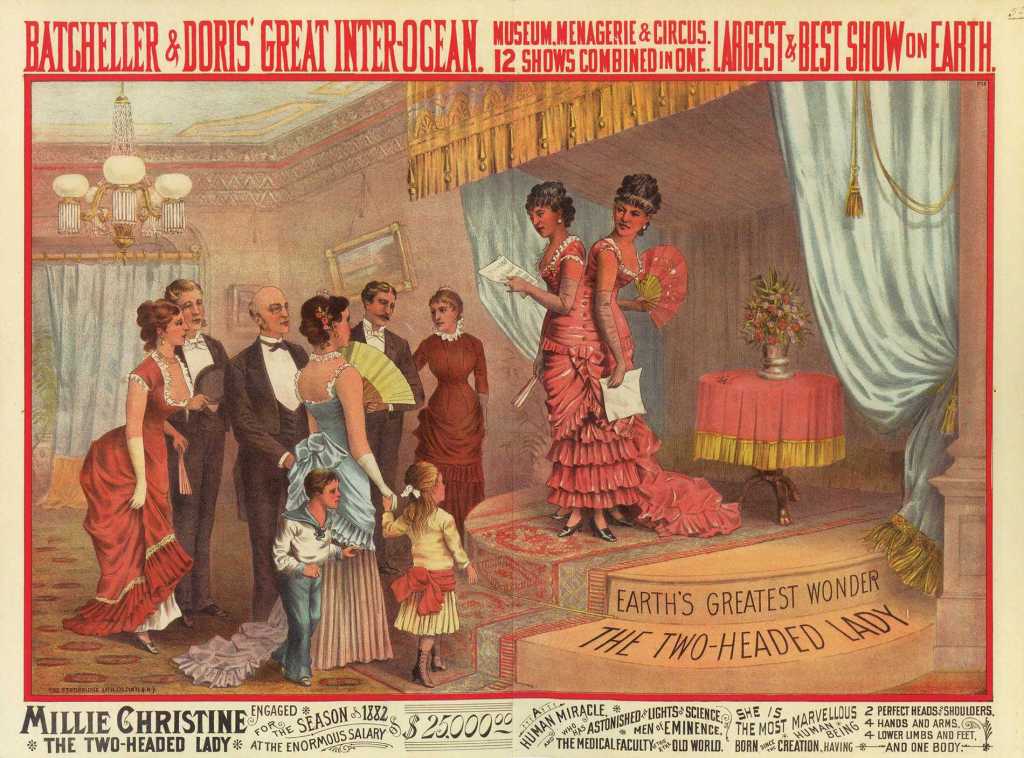
The story of Millie-Christine McCoy is extraordinary. They were born as conjoined twins to their enslaved parents Jacob and Monemia McKoy, near Whiteville, NC in 1851. They were sold for the first time at the age of 10 months, an event that was just the first in a string of sales, trades, trafficking and kidnapping for the purpose of exhibiting the girls in fairs, freak shows, circuses, and museums across the US and Canada. For example, they were exhibited in the P.T. Barnum Museum in downtown Manhattan along with other people with unusual pathologies and disabilities. Eventually they were trafficked to Liverpool by Joseph P. Smith, and that is where their mother finally located them in 1857. Millie Christine would have been between five and six years old at the time. After the emancipation proclamation, Millie-Christine gained more agency and autonomy but remained in the “care” of the Smith family, and continued to appear at similar shows and museums as before, but now with the ability to keep some of their earnings. They were also examined by medical doctors. They learned several languages, toured the world singing, and became known as the “the two-headed Nightinggale” with Millie singing alto, and Christine soprano. In their performances they turned their disability into an asset and the particular gait they had developed to walk, was developed into a dance. The complexity of their lives illustrates the entanglements of agency, subjectivity and autonomy with dependency, objectification and exploitation – and between popular culture and science in a zeitgeist permeated by racism, classism, sexism, and ableism in this Victorian world. Meanwhile, Millie-Christine self identified as “beautifully and wonderfully made” as a testimony to the fact that the deepest form of resistance in an oppressive system, is the conviction of one’s humanity, dignity, and right to self definition.
Toward the end of the 19th century, Millie-Christine toured less, returned to Whiteville NC, and settled down in a big 14 room house that they were able to build with their earnings. Millie-Chirstine died in 1912, and since 2012 the city of Whiteville celebrates them every October on Millie-Christine Day, when their many ancestors and family member honor their memory and legacy.
In 2017, one of Millie-Christine’s descendants, award winning composer, vocalist and hip-hop artist Napoleon Maddox was commissioned by the Cincinnati Contemporary Arts Center to create a piece as part of their Black Box series. The result was the extraordinary performance piece Twice the First Time, where Maddox wrote the lyrics to music composed by French musician, composer and music producer SORG . This year Maddox and ISWHAT?! performed Twice the First Time during Millie-Christine Day, along with other community performances, speeches, and commemoration activities.
The McKoy family lined up on stage before the performance of Twice the First Time
I was honoured to be invited to participate in the program of Millie-Christine Day this year. My quite open brief was to bring an academic dimension to the event and discuss the international impact of the story of Millie-Christine. I had invited Napoleon Maddox to Linnaeus University in 2019, where he had given lectures and engaged both at the university and in a local high school, and it was my honor to share how impactful that work had been. In addition, I wanted to connect the story of Millie-Christie to the ideas that I have formulated as part of Ethical Entanglements and discuss them with the community in Whiteville, thus bringing Ethical Entanglements into new kinds of conversations. My talk focused on drawing parallells between Millie-Christine McKoy and Christina Larsdotter and discuss how micro-histories in very different parts of the world are pathways to understanding both global history and the human experience, which is always at the center of my own work as an archaeologist and anthropologist. The following community dialogue further explored these connections, both between the two cases, and between the scholarship and Napoleon Maddox’s lyrics.
The parallels of the fates of Millie-Christine and Christina Larsdotter are striking. In life they all performed on 19th century stages that beyond their vocalist performances also showcased their disabilities and “racial” features as curiosities. While Millie-Christine’s body was stolen and trafficked in life, that of Christina Larsdotter met the same fate after death, as her corpse was stolen from her grave, and transported to Karolinska Institutet to become incorporated in the study collection of Anders Retzius (read more about the Retzius legacy at Karolinska Institutet here, and here), cast in a post mortem role not unlike the “freak shows” and exhibitions of curiosities (scientific and otherwise) that used to take advantage of Millie-Christine in their early lives. But in the face of the violence committed against these women by science and popular culture in their lifetime, they possessed both autonomy and independence, and claimed their place as strong individuals in their respective communities (e.g. as home builders, land owners, and active community members). The contrast between this indisputable agency, and the role as objects of curiosity forced upon them, is demonstrated in their histories. In that sense they also illustrate the spectrum model of Ethical Entanglements, and serve as a reminder of our responsibility today to keep recognising the lived life in the human remains we study, and of our “duty to past persons” (to paraphrase the title of Malin Masterton’s thesis) as a fundamental aspect of our professinal ethics. The repatriation and reburial of Christina Larsdotters remains this past spring is also a reminder of what it can mean for all stakeholders to recognise these histories and take responsibility for them and the pain they have caused.
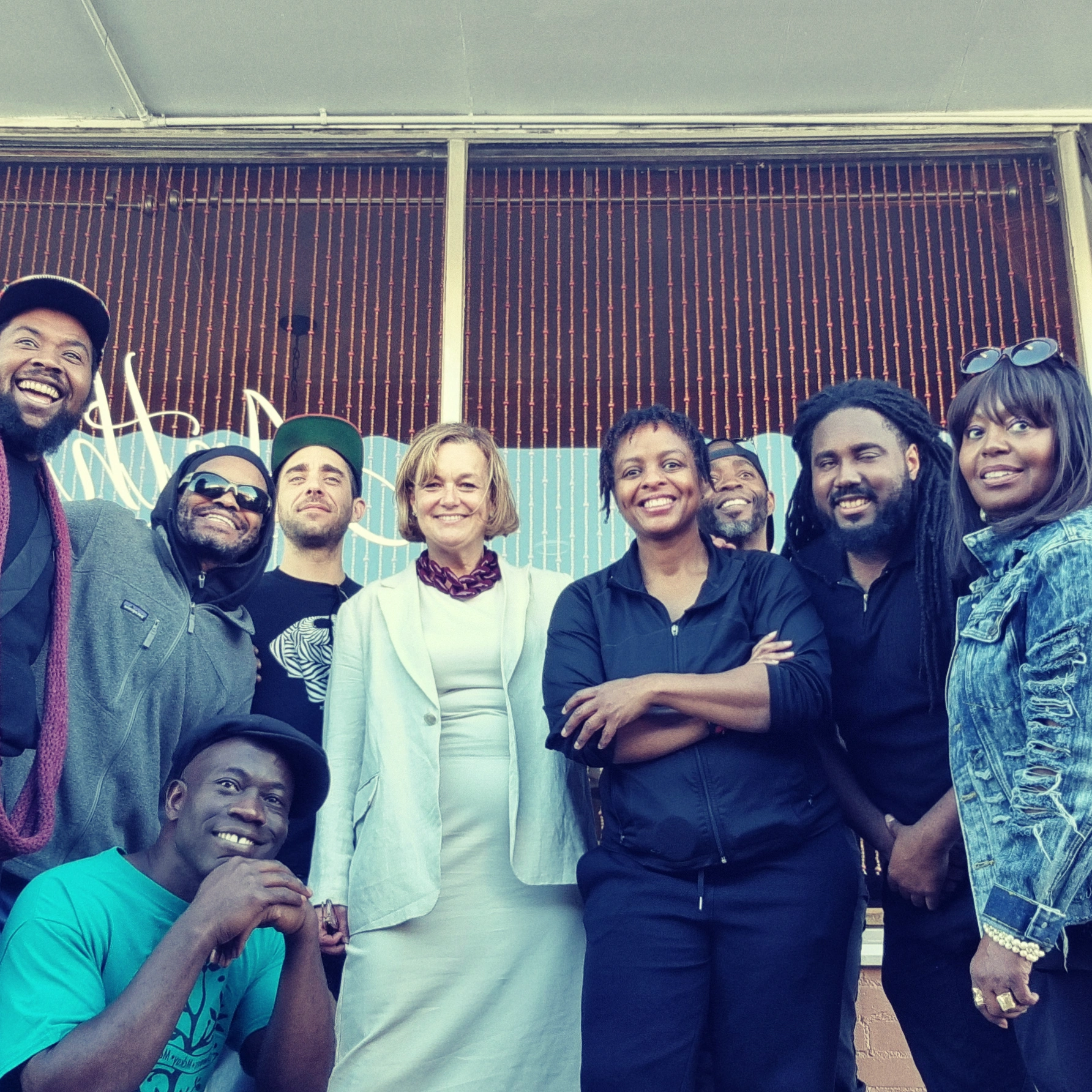
The brilliant musicians and creators of ISWHAT?! (+me) after the performance
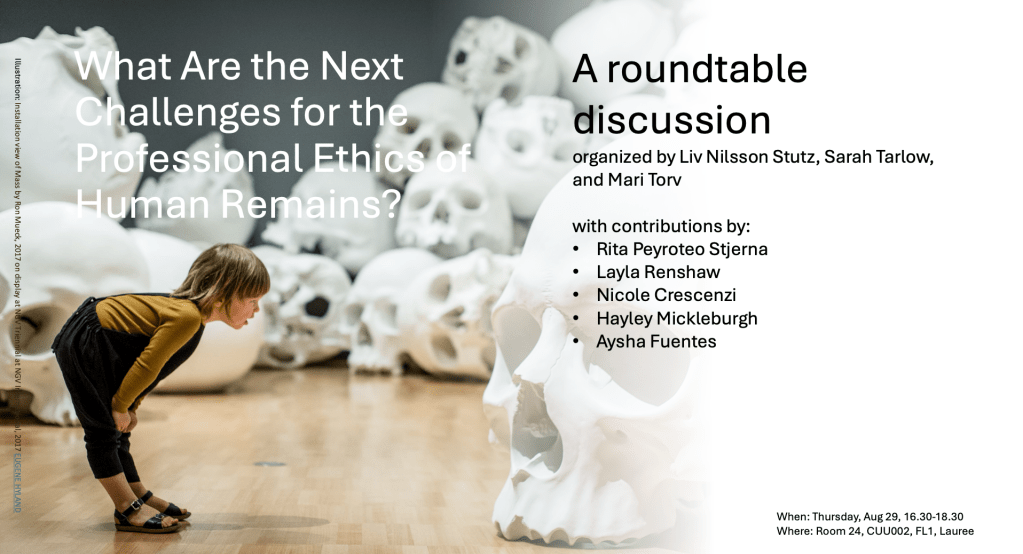
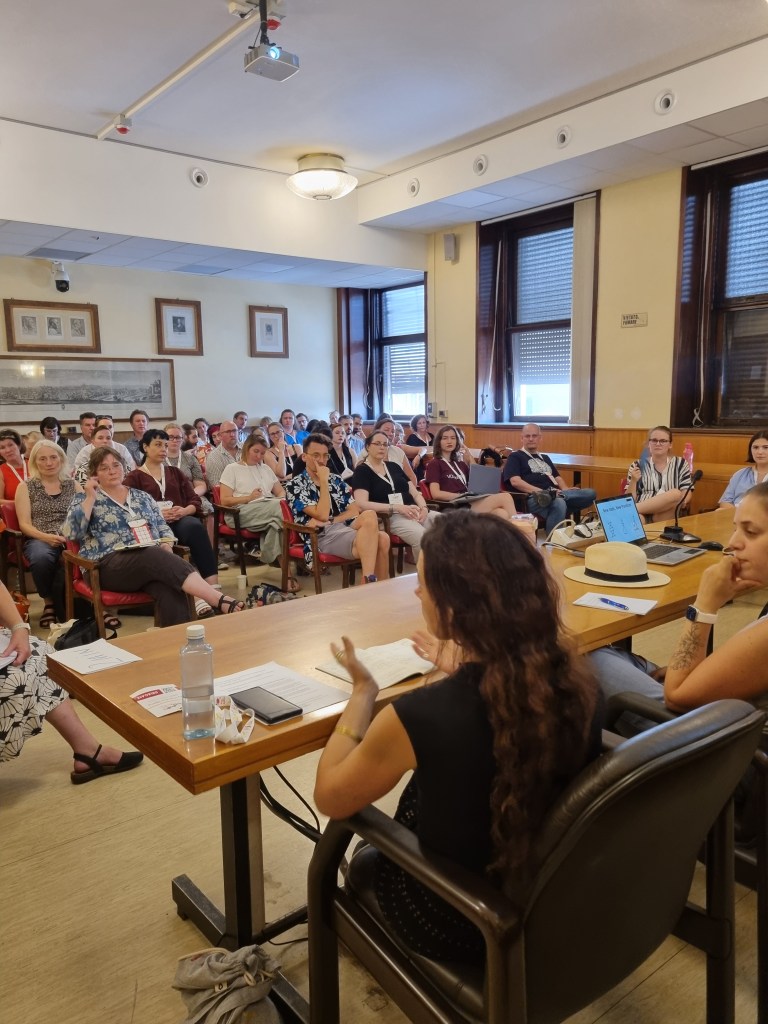
At the annual meeting for the Association for European Archaeologists at Sapienza University in Rome, August 28-31, 2024, Ethical Entanglements organised a roundtable discussion called “What are the Next Challenges for the Professional Ethics of Human Remains.” It might be relevant to note that when we submitted the proposal for the conference we were asked to merge with another session on ethics in biomolecular archaeology. We were happy to do this, but the fact that only two proposals to this year’s conference were focused on professional ethics is somewhat concerning. For perspective: this conference allegedly had 5000 delegates and, from a glance through the abstract book, over 1000 sessions (!). A keyword search of the final program revealed that this was indeed the only session devoted to ethics that ended up in the final program. Are we really, as a field, done with ethics? Are we fed up, or is the problem really considered to be solved?
Poster for the round table discussion.
To stimulate discussion and a freer from of exploration, we opted for a round table format this year instead of a regular session. The panel consisted of current and former members of the Ethical Entanglements team and invited speakers who in different ways have inspired our work in the past years:
Rita Peyroteo Stjerna, is an archaeologist of death and bioarchaeologist, and member of the Ethical Entanglements team where her research is focused on the ethics of the biomolecular dimension of human remains research. Her current affiliation is Linnaeus University and its Center for Colonial and Postcolonial Studies called Concurrences.
Layla Renshaw, Assistant Professor at Kingston University, UK, is specialised in the combination of forensic science and social science in her interdisciplinary research on mass graves, post-conflict contexts and Human Rights investigations. Her background brings unique perspectives on ethics, ranging from the political implications of the past, of memory, and loss in post-conflict contexts, to medical ethics in forensic science.
Hayley Mickleburgh, is an Assistant Professor at the University of Amsterdam. She is an archaeologist and biological anthropologist with a focus on archaeothanatology, forensic science, sensory archaeology, and digital archaeology. Hayley was part of the original Ethical Entanglements team, and her experience in forensic science has been an important inspiration for developing ideas that overlap with medical ethics and ethics of care.
Ayesha Fuentes, is an objects conservator at the Cambridge Museum of Archaeology and Anthropology, with a special interest in Asian material religion including the use of human remains in objects, and the ethics of museum practice. Her profile brought a much needed perspective from the museum side, but also an original understanding of the use of human remains as meaningful components of material culture.
Nicole Crescenzi, is a Ph D student at IMT Lucca, Italy. Her work investigates the care for human remains in museums with a focus on the experience of the public of the exhibition of human remains. Nicole is a member of Ethical Entanglements as she has become integrated into the group as a guest researcher and PhD student.
A full room for the panel discussion “What are the next challenges for the professional ethics of human remains?” at the EAAs in Rome, August 2024, Rome. Photo by Liv Nilsson Stutz.
The purpose of the roundtable was to provide a space for open exploration of emerging ethical challenges. The conversation started out with the specialist perspectives represented by the panel, but also engaged the audience. The discussion was future oriented and structured in three themes:
The first segment, New tools, New Practices explored how the very definition of human remains is changing rapidly with new research methods including biomolecules (including DNA, isotopes, etc), 3D-scanning and reproduction, and how new practices such as Open Science require completely new ethical considerations. It was pointed out that while some of these challenges are not entirely new (museums have long curated potentially sensitive photographs of human bodies), the current development calls for a more robust approach to the ethical challenges. We also noted that while we are aware of the problems we do not yet have any solutions to this issue, and the field keeps moving ever faster.
The discussion explored different options of solutions for museums, including community engagement, and repatriation. But it was also asked: is it not our professional duty to make museums a safe space for human remains?
A second segment, New Awarenesses, New Sensibilities started by discussing categories of vulnerablilities that are not often considered in the debate framed mostly by the postcolonial critique. Hayley Mickleburgh shared the example of a collection of crania from an orphanage in Amsterdam. How can we best care for the remains of these often very young and marginalised girls from 19th century? The discussion explored different options of solutions for museums, including community engagement, and repatriation. But it was also asked: is it not our professional duty to make museums a safe space for human remains? A topic that was further explored by Nicole Crescenzi and Liv Nilsson Stutz in a regular paper in a museum oriented session the following day.
Another significant theme broached in this segment was the disciplinary legacy of violence that permeates biological anthropology. Many of the methods and teaching materials we use today, and that have made their way into the disciplinary practice, were developed within a space of violence. How do we as a discipline address this legacy?
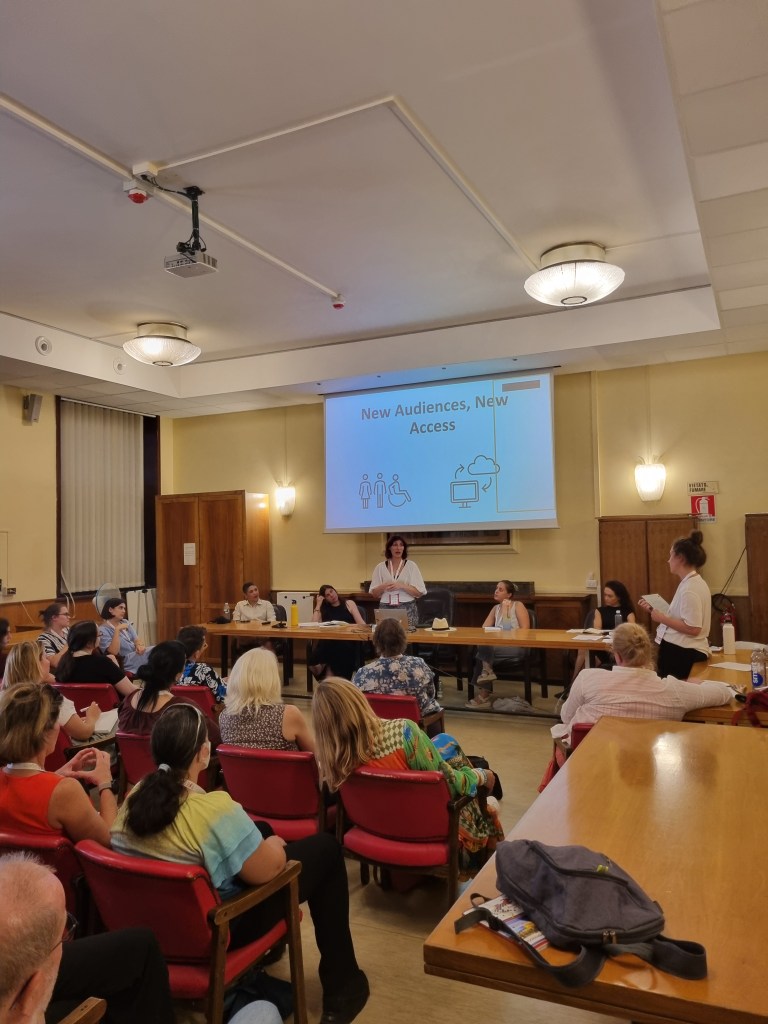
In the segment on “New Audiences, New Access” Hayley Mickleburgh brought up the importance but also the challenges of teaching ethics in a meaningful and engaged way. Photo by Liv Nilsson Stutz.
In a final segment called New Audiences, New Access the discussion focused on teaching and social media. Many raised the concern that despite the fact that the disciplines of archaeology and biological anthropology are clearly both aware of their ethical complexities, we still have a very limited engagement with these issues in universities across Europe. Teachers struggle with the difficult challenge of providing meaningful, engaging, and long term learning opportunities for students with limited time to cover more and more material. All agreed that it is important to include ethics continuously through the process, but all also struggled with how to make this happen in an increasingly austere university context. At this point the audience, who had been impatiently waiting, started to spontaneously participate and we decided to open up the floor for discussion.
Despite the late hour of the day (16.30-18.30), the sweltering heat of Rome in August (35°C), and the limited air conditioning in the room, the audience was active and engaged in brilliant conversation. Among the interesting points made in the audience I noted Sofia Voutsaki’s (Professor of Greek Archaeology at the University of Groningen, the Netherlands) point about how ethics can be weaponised, and that we need to be aware of that dimension in our work as well. On a related topic, Megan Perry (professor of anthropology at East Carolina University, USA) discussed the difficulties of a one size fits all approach to what it means to be ethical. What do you do, she asked, if you work in a region where community engagement is difficult simply because the community is not really that interested? Does that mean that you are not being ethical, or do you need to force something just to qualify as “ethical”? (I paraphrase). And if you do – is this not unethical?
It was also suggested that we may underestimate how much we as archaeologists and biological anthropologists actually engage with professional ethics. One voice in the audience pointed out that we in fact have a robust reflective literature, that at least makes us aware of the issues, in particular regarding the political dimensions of our field. I agree to an extent. It is true that archaeologists and anthropologists for decades have engaged with their disciplinary history, and, to some degree, professional ethics – perhaps more than colleagues in other disciplines with whom we now often collaborate.
I agree that as a field we have a tradition of being reflexive and we have resources and tools to act ethically. But even so, what is lacking, in my opinion, is a deeper and more critical engagement with ethics. One that is not limited to a list of “what not to do,” but consists of a thoughtful reflective attitude that engages professional ethics as dynamic and ongoing practice. One that keeps conversations like the one we were having in that room going, allowing the reflexivity to permeate our professional practice.
A good illustration of this was an audience member working with DNA analysis. He shared that as a biologist he had received no training in the history of his discipline. In comparison, it would seem that archaeology, museology, and anthropology are doing OK. I agree that as a field we have a tradition of being reflexive and we have resources and tools to act ethically. But even so, what is lacking, in my opinion, is a deeper and more critical engagement with ethics. One that is not limited to a list of “what not to do,” but consists of a thoughtful reflective attitude that engages professional ethics as dynamic and ongoing practice. One that keeps conversations like the one we were having in that room going, allowing the reflexivity to permeate our professional practice.
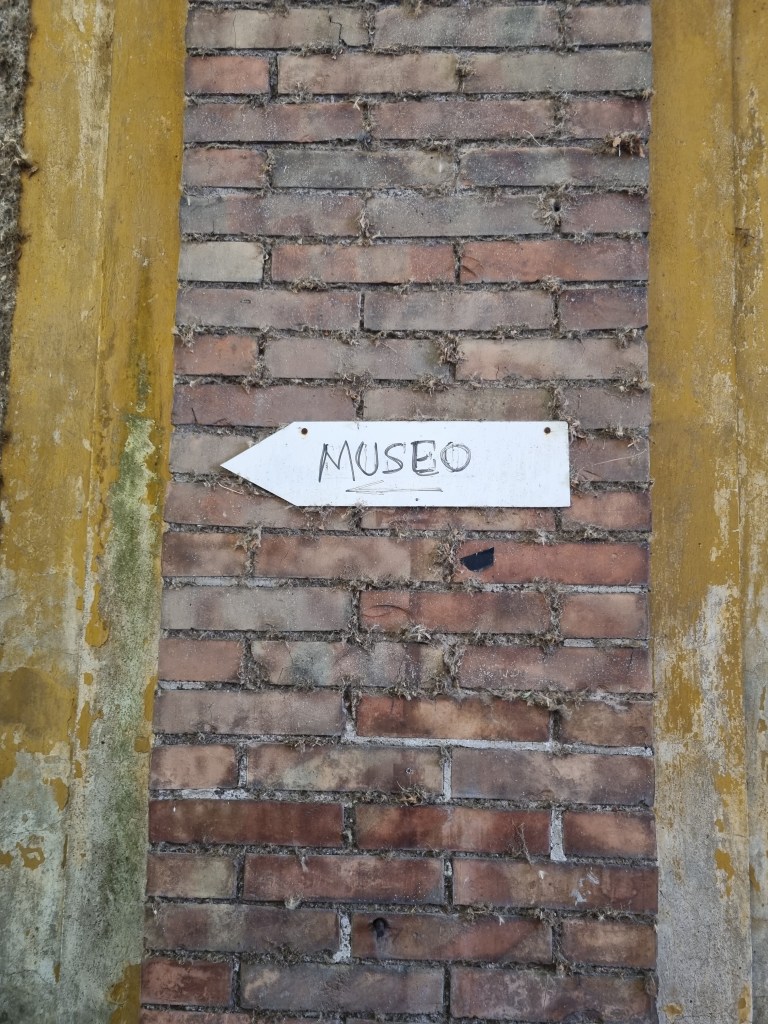
A humble sign directing visitors to one of the many museums in Rome. Among the themes the panel discussed was how we can make museums safe spaces for human remains as new sensibilities emerge in our understanding of them. Photo by Liv Nilsson Stutz.
When the session ended at 18.30 we left the room, not only with more questions (being a cliché it is also often true), but also with the feeling that the field is buzzing with energy and desire to discuss and explore these issues, and the realisation that with colleagues like the ones in this room, from all across Europe and the US, and from a range disciplines, we are making progress toward more reflective professional ethics. The engagement, the willingness to explore and to share that characterised the discussion constituted a stark contrast to the lack of formal opportunities to do so at this conference. But while I initially had wondered if the field is fed up with ethics–if we are “done”–my worries were proven unfounded. Leaving the room that warm evening I could not help but thinking – yes, there is a lot of work to do, but we will be OK.
On our way to the EAA meetings in Rome, the Ethical Entanglements team stopped over in Bolzano to see the exhibit of one of the most famous individuals in European prehistory, “Ötzi the Ice Man,” at the South Tyrol Museum of Archaeology, and to meet with the director Elisabeth Vallazza to discuss choices, strategies, and experiences in caring for such an exceptional individual. The visit proved to be very interesting since not only the archaeological find itself, but also the choices for the display, are unique, and inspire reflection and discussion.
Nicole and Rita in conversation with Director Elisabeth Vallazza at the South Tyrol Museum of Archaeology in Bolzano. Photo by Liv Nilsson Stutz.
In 1991 two hikers found the remains of a human body, emerging from the melting ice in the Ötzal Alps, on the border between Italy and Austria, at an altitude of 3,210 meters. The body was so well preserved that it was assumed to be the remains of a recently deceased mountaineer, and local rescue and law enforcement were alerted. The body, still partially encased in the glacier, was pried from the ice with force. The working conditions were difficult because of dire weather conditions and the process was delayed. The body, along with objects recovered at the site, were eventually transported to the medical examiner’s office in Innsbruck. There, archaeologist Konrad Spindler concluded that this was not the body of an unfortunate alpinist, but an individual from the end of the Neolithic period. Closer examination of the human remains would later reveal that he had been the subject of two violent attacks before his death. First an encounter several days earlier, that led to a stabbing wound in his hand. Then an attack by arrow, causing both severe damage to his shoulder and blood loss, and leaving the arrowhead lodged in his shoulder.
The find soon captured global attention from archaeologists and the public alike. The body was given the name Ötzi, and as science uncovered details about his life and death, his humanity emerged and captured the attention of a large public. He soon became one of the best-known individuals of European prehistory. When we visited the museum on a Monday morning in late August, people were lining up in a long queue that spilled out into the street and around the corner of the museum. Droves of people waited patiently in the light summer rain. They were all there to see Ötzi.
The find is spectacular. The naturally mummified body has allowed for a range of studies that have provided insight into his cause of death, his diet, his movements thoughout his lifetime, his health status, and his tattoos. In addition to the body itself, Ötzi’s clothes and gear provide a unique window into a dimension of stone age material culture that is rarely preserved. His coat carefully crafted from alternating pelts of goat and sheep skin creating a striped garment, is stunning, as are his leggings made from small patches of goat skin carefully sewn together in a patchwork pattern, and his shoes padded with dried grass. His toolkit includes, among other things, birchbark vessels, a fire kit of embers wrapped in leaves, a bag pack, a perfectly preserved mounted copper axe, and a soft hammer composite tool with a cylindrically shaped core made of deer antler placed in the centre of a wooden handle.
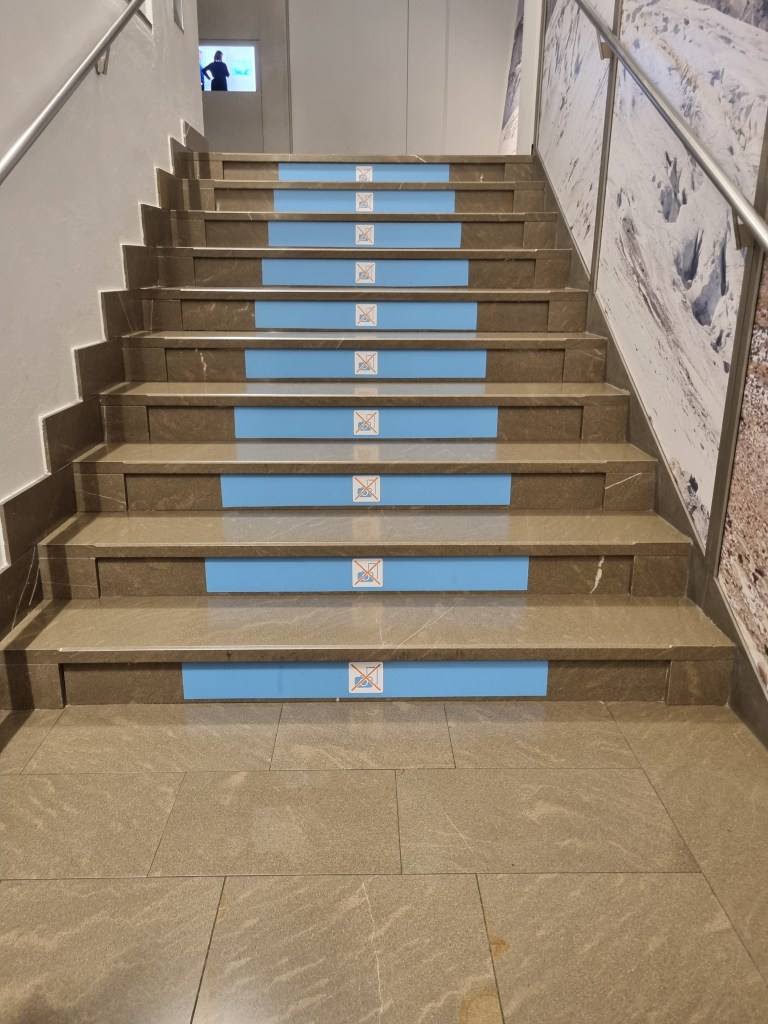
The staircase leading up to the exhibition floor with the body of Ötzi and all the original artefacts. Note the “photography not allowed” signs (and the number of them!). Photo by Liv Nilsson Stutz.
When Ötzi was found in 1999, the South Tyrol Museum of Archaeology was still just in the planning stages, but the find (and presumably the much-covered border dispute regarding the national claim to the find) prompted an acceleration of the plans, and in 1999 the museum could open with an exhibition centered on these extraordinary finds. How, we wondered, do you curate and care for Ötzi and his artefacts? How do you tell his story, that is so connected to him as an individual, to the public today? What can you show – and how? Bolzano is a town in a conservative region, and there were initially some objections from traditional Catholics about showing the body of a dead person. But the museum decided nevertheless to put Ötzi on display for visitors to see.
The way the museum shows Ötzi is an interesting example of how conservation can be combined with a pedagogical experience for the public. The conservation needs call for a stable environment of -6°C, and to make this possible, Ötzi is placed in a controlled and protected space with limited exposure. The walls protecting him are clad in metal and give off an almost fortresslike vibe. But despite the coldness of the space, the needs to protect and preserve have created a display that in addition to providing an optimal environment for preservation, also guides the visitor to a personal encounter.
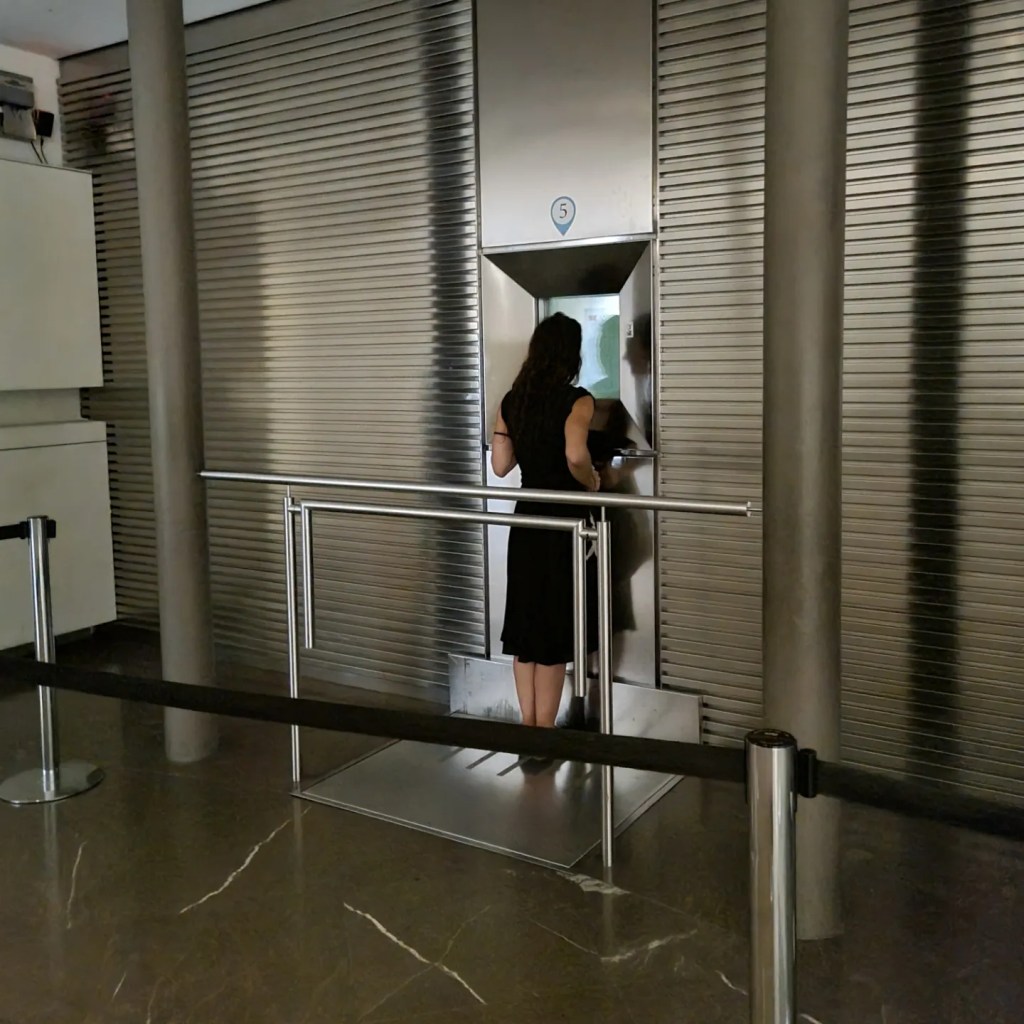
The area where the body is on display is shielded off by a convex screen wall, and behind it a short maze created by retractable barriers allows visitors to stand in an orderly line gradually approaching the metal clad wall with a small square window into which one person at the time can look at Ötzi. The queuing system, and the one-to-one encounter may just be the fortuitous result of preservation requirements, but it provides an experience during which each visitor has a period of waiting, a period that allows them to pause and prepare themselves for the privilege of meeting an individual from the deep past. The small window frames the encounter itself to be one of equality. The set up focuses your attention to the window and prevents, or at least hinders conversations among visitors during the meeting. It becomes focused – even personal. When we visited Ötzi we were alone in the museum, and the scene was quiet. As we walked past it later that morning after the museum had opened to the public, the area was a lot louder and more busy – but the short moment of encounter would still provide the opportunity to focused attention – even contemplation.
…it is interesting to note that the body itself is so central to how we understand Ötzi. It is his naked body that people associate with the find. It is the image of the mummified remains –with the left arm in extension, rotated inward and lifted across the body–we most often see on book covers and websites. It is also very likely that it is this body that most of the visitors are there to see.
When asked about people’s reactions to the display, Elisabeth Valazza shares that the great majority of the feedback they get is positive, even emotional, but rarely critical or negative. It seems like the exhibition choice is successful. There are no trigger warnings or special instructions to the visitors (except that photography is not allowed). It appears that the embodied experience (the waiting in line, the one-to-one encounter) may serve the purpose of reframing the visit in a more fundamental way that makes these direct communications unnecessary. Of course, we cannot know for sure since we did not interact with the visitors about their experience, but it seemed like a real possibility.
Rita standing at the window looking at Ötzi. Photo (with permission) by Liv Nilsson Stutz.
Ötzi’s body is displayed without clothes. This is partially a preservation choice. Different materials require different forms of conservation and care. Here the choices made clearly privilege conservation and even accessible exhibition over, for example, respect for the dead. Given the exceptional character of the objects and the mission of museums to preserve them, this is not surprising. But it is interesting to note that the body itself is so central to how we understand Ötzi. It is his naked body that people associate with the find. It is the image of the mummified remains – with the left arm in extension, rotated inward and lifted across the body – we most often see on book covers and websites. It is also very likely that it is this body that most of the visitors are there to see. Elisabeth Vallazza shared an anecdote that illustrates this. One day the lighting in the window display stopped working and the staff started to problem solve. Would they have to reimburse the visitors if they were not able to see Ötzi? The fact that the museum was filled with unique artefacts somehow did not immediately seem enough. The body is important.
The impact of Ötzi’s naked body – so fragile, small, and stripped – is, at least for me, one of vulnerability. This vulnerability can be contemplative for the visitor – it may allow them to see Ötzi as a vulnerable human in death, or perhaps themselves, or mortality, at that private privileged moment at the window. But, of course, the ethical issues remain entangled. Is it right to show him this way? Are there any alternatives?
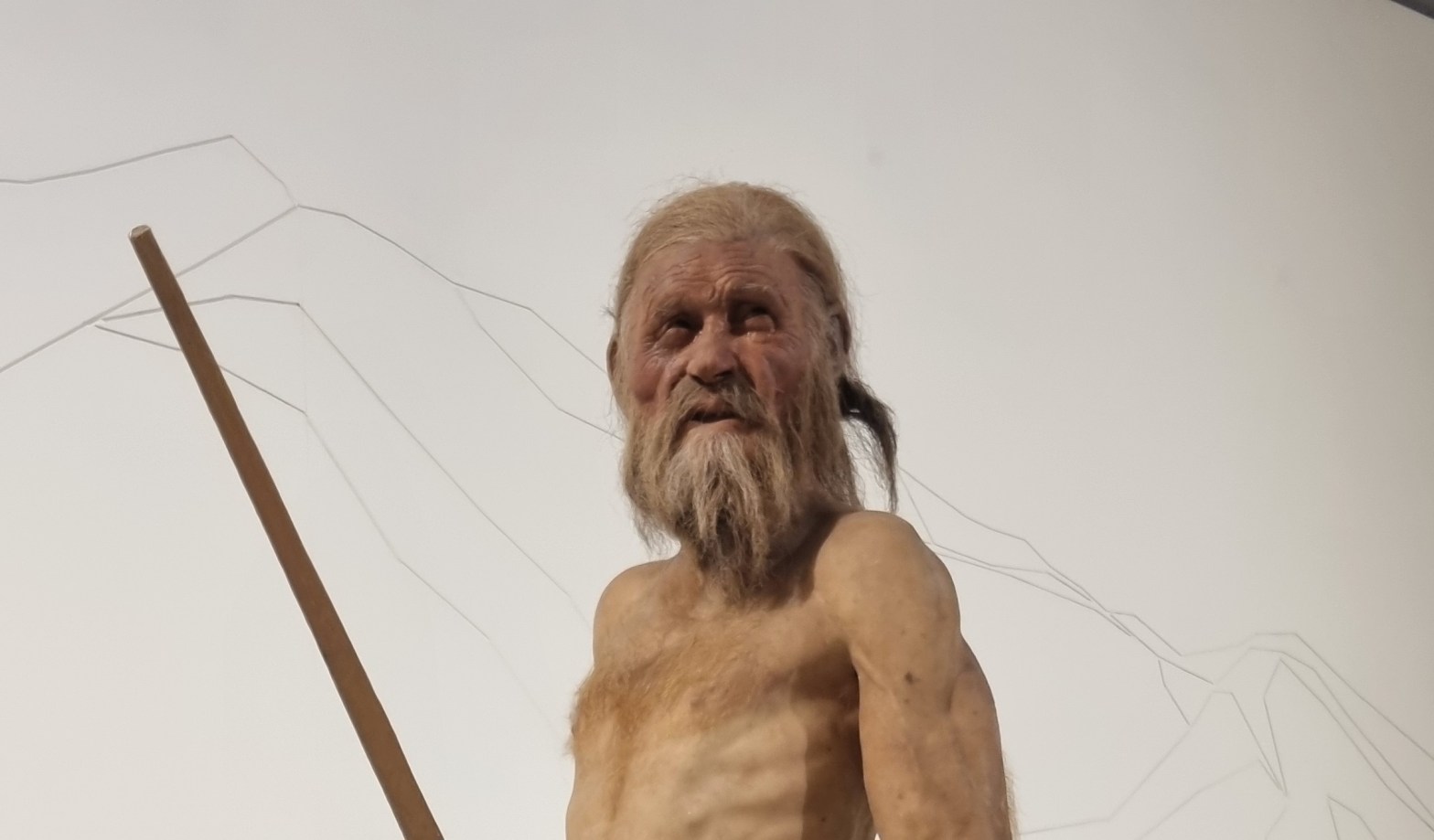
Reconstruction of Ötzi. He is bare chested to show the tattoos on his back. Photo by Liv Nilsson Stutz
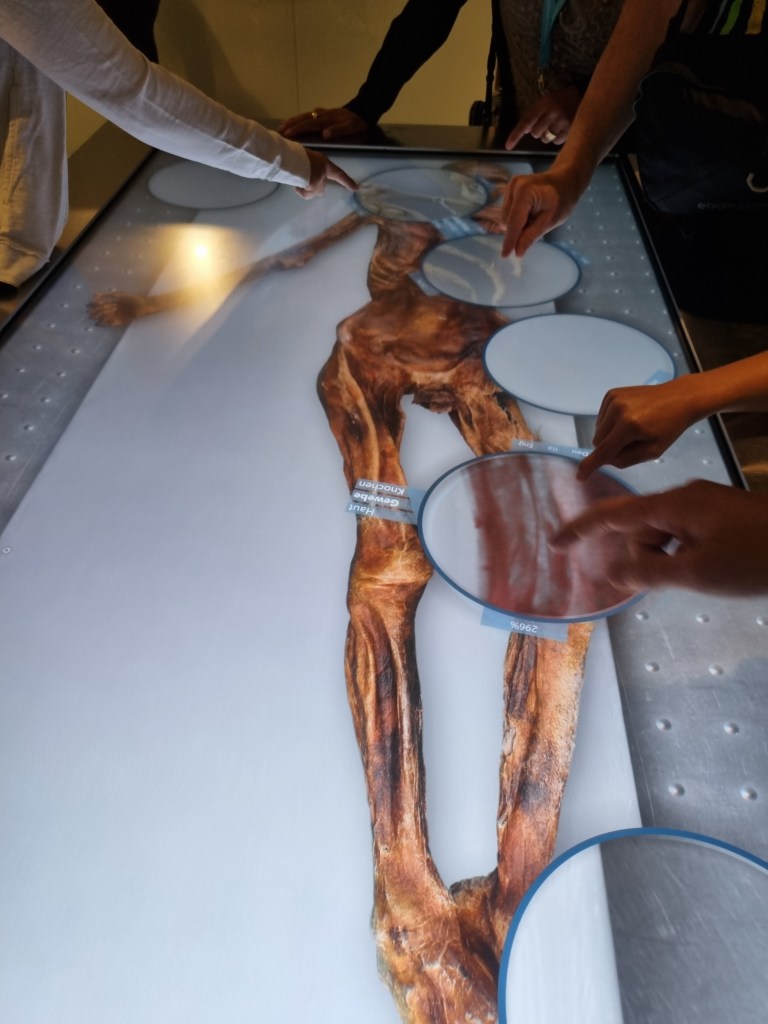
The reconstruction of Ötzi is also very telling. In a room dedicated to the reconstruction, he is on display holding his partially finished bow, and wearing his underwear and leggings – but with his upper body bare. The reason given for this is that it was important to show the tattoos on his back. It is interesting that these tattoos are considered more important and more interesting, than, for example the coat – or the full gear. This makes me wonder about our fascination with mummified bodies as rare, and somehow intriguing in and of themselves to the point of overriding other interests. This is especially obvious at the mummy table where visitors can touch an interactive screen and digitally unpeel the layers of his body. This feature stands in very stark contrast to the structured visitation of Ötzi at the square window.
The interactive mummy table where visitors can explore different layers of the body of Ötzi. Photo by Liv Nilsson Stutz.
For the most part the museum display of Ötzi shows him more as a lived life than as an object of science. A lot of room is dedicated to telling the story about his life and death. A parallel narrative throughout the exhibition is that this lived life emerges from the scientific work carried out on both his body and the material culture found with him – as objects of science. Here the two are intimately linked and dependent on one another. The close connection with the museum to this one exceptional individual seems to have created a sort of “bond of care.” This is a phenomenon I have noted elsewhere in museums that have singular, but exceptional human remains. Somehow their uniqueness (in character and quantity) favours care. However, because of Ötzi’s celebrity status, not only his objects, but especially the reconstructions of his body now exist in multiple copies in different museums across the world. What happens to the care for his personhood as his body transitions through versions of virtuality and materiality – at the mummy table and through replicas of his body throughout the world? Is this something we need to consider?
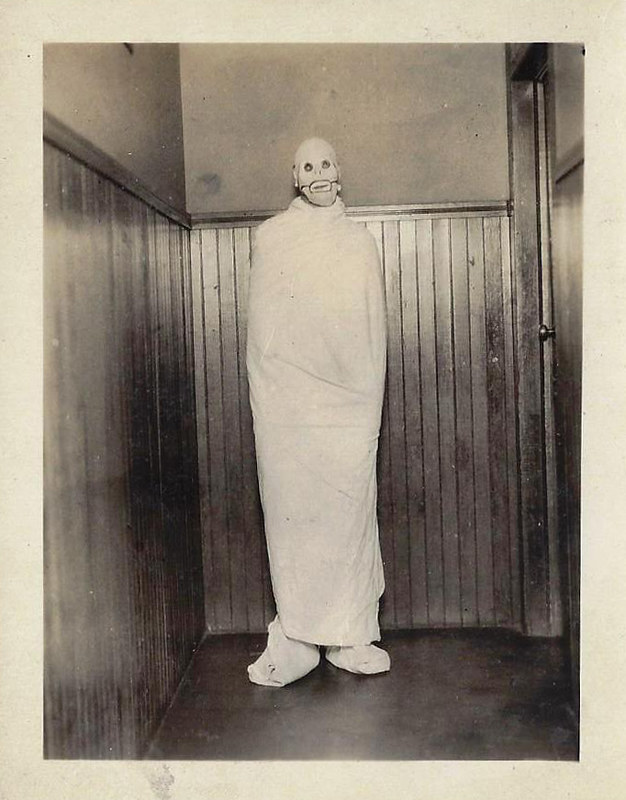
After the discovery, the display was removed, and the school started an investigation that consulted an outside specialist. After examining the remains, the specialist could confirm: these were the remains of a human. But since the consultation was only osteological, its provenance remained unknown. It would require a lot more work to trace who the person whose bones were examined had been in life. This is not unusual. Typically, human remains in schools have a long and complex history that is poorly documented and often forgotten. They were acquired many decades ago, and may have circulated between collections, and changed schools. The Danderyd Highschool now faced the same problem that many Swedish schools have faced before: what should they do with these remains?
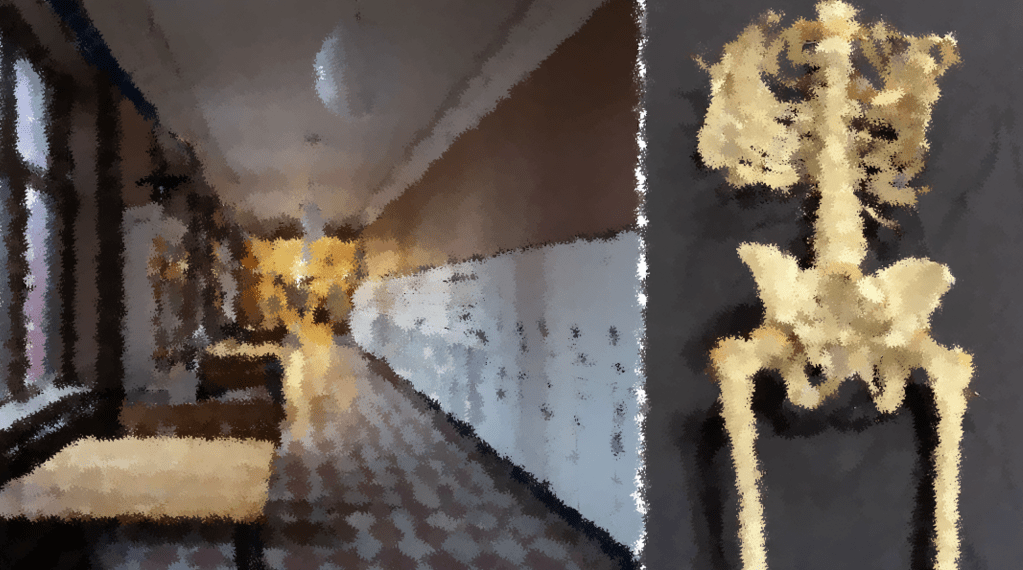
Press photos from inside the Danderyd High School and of the skeleton that was used as a Halloween prop. The photos have been intentionally blurred for this blog.
As I have argued in the article Between Objects of Science and Lived Lives. The legal liminality of old human remains, human remains from historic contexts are situated in a legal gray area, and there are no clear laws on how to handle them. For any school that suddenly discovers that they have human remains in their closets, it is difficult to know what the right thing to do might be. They can turn to the police, to museums, to the National Heritage Board, and even to the Swedish Church – and many do, and find that not only do these institutions not feel that this is their business, but also that nobody can really advise them about what to do. This conundrum has been discussed in this blog before, and the case of schools has also been the subject of excellent reporting by Swedish Radio in 2016.
“What is well intentioned may still be ill advised.”
In the case of the Danderyd skeleton, the decision has now been made that it will be cremated and buried in the local cemetery. While this, at first glance seems to be a well intended course of action, it is highly problematic since no provenance research has been carried out on the remains and we therefore have no idea if this would be desired or even acceptable for this individual. What is well intentioned may still be ill advised. To put it bluntly, this act is more about satisfying the needs of the school and the local community than the needs of the person whose remains were used as a prop by that very same community only a few weeks ago. This is not good enough.
In several interviews with Swedish Radio and TV I have argued that given that there is likely to be a large amount of human remains in Swedish schools, this is not a problem that is likely to go away anytime soon. What we need is a proper inventory of what is out there, so that we can get an overview – not unlike the inventory that was carried out in Swedish museums in 2016. Once we have an overview we can develop support and guidelines. Ideally, provenance research should also be carried out so that we know what any appropriate course of action might look like.
This is a big job that will require specialist competence. It is not fair to expect individual schools to take responsibility for this. The situation in Sweden is complicated by the fact that the administrative responsibility of schools has been decentralised from the state to the county level (kommun) in a reform in 1991. Is is safe to say that the large majority of the human remains in Swedish schools were acquired long before then, and the responsibility of this necessary inventory and research must therefore fall upon the Swedish state and in particular on the National Agency for Education (Skolverket). When confronted with this request from me in a TV interview on Nov 15, the National Agency for Education predictably punted the question to the county levels, who in turn decided not to respond to the journalists requests.
What happens next will be interesting to follow, and while the future is unpredictable, one thing is for sure: if we do not take responsibility for this problem now, we will have another story just like this one break in a couple of years, and we will start the debate over. Again.
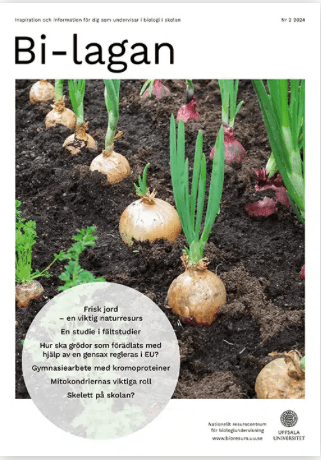
Update: Liv Nilsson Stutz published a short text in Swedish on the topic in Bi-lagan, a resource publication for biology teachers in Swedish schools, published by Uppsala University, in the fall of 2024.
Viewed from the outside, it often seems as if the Nordic countries are very similar in terms of culture and values. But despite their entangled political and cultural histories, and their cultural similarities, a closer look reveals interesting differences, and this is certainly the case for their professional attitudes to the ethics of collections of human remains.
The Nordic Network for Collections of Human Remains is an informal forum that organises different stakeholders in human remains collections, predominantly collection managers, but also researchers and museum professionals across the Nordic countries . The purpose of the forum is to provide a space for reflection and support in professional discussions and development of ethical practices. The Network organised a conference at Arkivcenter Syd, in Lund on October 26-27, 2023 (for full disclosure, Liv Nilsson Stutz has been a member of the steering group during the period 2020-2023, and was part of the organising committee for this conference). The purpose of the conference was to come together for the first time after the end of the pandemic, update one another on the state of the field in the different Nordic Countries, and strengthen both formal and informal ties and relationships throughout the community.
The conference invited speakers from several large collections across the Nordic countries to share their perspectives and experiences. Unfortunately the participant from Norway (Julia Kotthaus from De Schreinerske samlinger, at the Medical Faculty at the University of Oslo) had to cancel last minute, since she needed to prioritise her presence at a repatriation from the collection she manages. These presentations were inspiring in the sharing of protocols and experiences, but also showed the differences in approaches between countries.
Careful storage of human remains in a Swedish museum. Photo by Liv Nilsson Stutz (intentionally blurred).
The Danish model is interesting since it clearly separates ownership from deposition and curation. The former is held by local museums, while the latter is managed by essentially two centralized collections: ABDOU at the University of Southern Denmark (presented by Dorthe Dangvard Pedersen), and The human skeletal collection at the University of Copenhagen(presented by Niels Lynnerup, Marie Louise Jørkov, and Kurt Kjaer). This arrangement has interesting consequences for the management of processes. The facilities are all highly adapted for the preservation and study of human remains, and the research facilities support, track and assist in access to the collection by researchers, students, and even the public. It can be argued that this system that separates the human remains from their otherwise historical and archaeological context in order to prioritise preservation, control, and documentation, implicitly or explicitly categorises the remains almost exclusively as Objects of Science. It appears to be a very clear, but also unproblematising approach. The division has interesting consequences for the most significant case of repatriation of human remains in Denmark, Utimut – the repatriation of human remains and culturally significant objects to Greenland. The ownership of the human remains is now held by Greenland, but Greenland has elected to follow the same system for the management of collections of their human remains as that practiced for remains found on Danish soil, keeping them in Copenhagen. This case is always interesting to bring up in debates about repatriation since it is clear here that the Greenland side appears to share the same concerns for these remains as their Danish counterpart, and also feels that a practice that protects them as Objects of Science is valuable for them. But that does not mean that nothing has changed. There is a significant shift in the attitudes on behalf of the collection managers who do not claim control or ownership, but take the role as mediators and assistants. In this sense then, the Danish system is arguably more inclusive and progressive than in the rest of the Nordic countries, where ownership tends to be associated with the institution that holds the remains.
The Swedish system with decentralised practices and control was illustrated by presentations from two Swedish collections. The Historical Museum at Lund University was represented by Jenny Bergman and Sara Virkelyst who presented a newly established flow chart to systematically support repatriation processes in order to make them transparent and predictable for all stakeholders. The collections at the National Historical Museums were presented by Elin Ahlin Sundman. The issues of ethics appear to be top of mind for the Swedish institutions, but the decentralised practices result in great diversity in protocols and processes – which stands out as quite a contrast to Denmark.
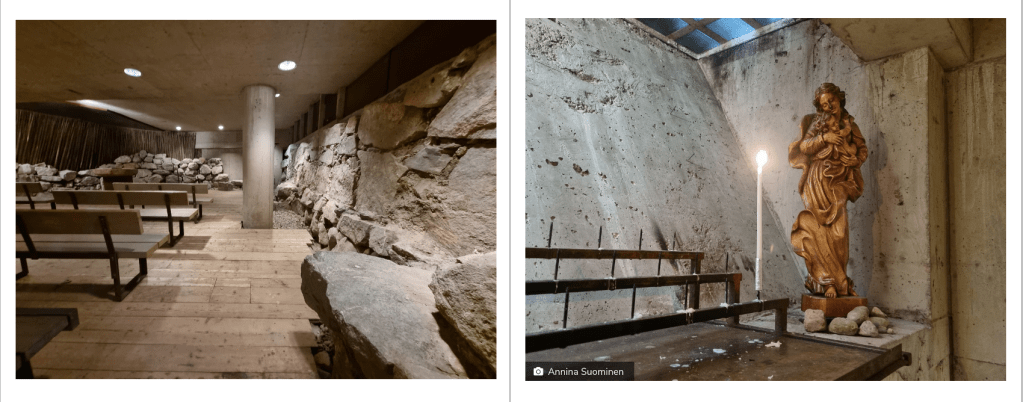
Images from inside the Chapel of the Holy Ghost in the basement of the Casagrande House in Turku, a semi private place of worship that also serves as a resting place for excavated human remains from the later medieval and early modern period. Photos by Annina Souninen, and published by Åbo Underrättelser.
Finland seems to have the least regulation and formalised processes for the care of collections of human remain at the moment. With a law that currently calls for decisions of future reburial to be made before an excavation has even started, human remains, in Finland, appear to be treated more toward the end of “Lived Lives” than in the other countries. They are often reburied immediately – sometimes even before osteological study. It should be added, however, that this position in reality is almost directly dependent on the chronological age of the remains, with prehistoric remains being systematically collected, and historical remains more often reburied. The decision is often made by local parishes who hold a lot of the power in these negotiations. Liisa Seppänen from the University of Turku presented a hybrid solution with the case of the contemporary chapel in the Casagrande House in Turku. The historic building, previously known as Ingmanska huset, was built in the 17th century at the previous location of a Graveyard of the Holy Ghost Church in Turku. After being threatened with demolition in the 1980s, the architect Benito Casagrande purchased and renovated the building under supervision of the Finnish Heritage Agency, and it now includes businesses, shops, and restaurants. The remains of the people buried in the underlying churchyard (from the 14th century and to 1650) were excavated in consecutive projects from the 1960s and through the 1980s, and were collected by a dentist at the university who kept them as a teaching and research collection (predominantly the crania). After extensive lobbying, Benito Casagrande, managed to have the remains transferred from the university to a newly built chapel in the basement of the house, where they can both rest in a sacred space and be accessible for research. The chapel is not open to the public, but can be visited upon request. A small working group, of which Casagrande is a part, oversees the collection and makes decisions with regards to access and curation. The impact of a private citizen is, to say the least, quite extraordinary in this case – but perhaps this is not as difficult to reconcile in a system with a tradition of consultation with the leadership of local parishes. From a more traditional collection manager point of view, Risto Väinölä discussed he human remains collection at the University of Helsinki (LOUMUS) which is a heterogenous collection with a long and diverse history of collection, with potential for research but with limited manifested interest both on behalf of researchers and calls for repatriation.
In addition to the presentations of the state of the field in the respective countries, I also want to highlight two more conceptual papers. Karin Tybjerg from Medicinsk Museion in Copenhagen presented an interesting paper on historical medical collections as a foundation for amemnesis – the clinical medical process of recovering the medical history, usually referring to patient history, to understand medical states in the present, but here expanded to include a broader investigation into the field of medical science, medical history and medical humanities (she has published these ideas in an interesting paper in Centaurus 65(2), in 2023). Equally interesting was Eli Kristine Økland Hausken‘s paper Adressing Bare Bones and Human Remains about her work with exhibitions at the University Museum of Bergen and the underlying ethos of their activities to engage the local community by “lifting the curtain” on the process knowledge production and the history of institutions. I was somewhat surprised at the choice to exhibit a shrunken head, a South American Tsansta (an issue that has also been debated by curator Åshild Sunde Feyling Thorsen from the same intitution), and while I am personally not convinced, I was interested in the arguments in favour of making such an unconventional choice today.
The Old Department of Anatomy at Lund University. Image by Väsk, licensed under CC BY-SA 3.0.
During the course of the conference, three panel talks explored several fundamental issues for the care of collections of human remains. The following topics were explored:
Panel 1: What is the value of collections of human remains? This panel explored the broader topic of the value of these collections for science, pedagogy and history in a time when they are increasingly questioned. Are they valuable? And if so, how?
Panel 2: How to make the collections accessible (including perspectives on digitalization, exhibition, and access for researchers). Should we? And how best to do this?
Panel 3: Accession and deaccession. What are our current challenges? This panel talk will discuss the responsibility (and cost) of accession and deaccession, and discuss the connections to repatriation and (re)burial.
Throughout these conversations it became clear just how entangled these issues really are. The final discussion, on accession and deaccession, also linked up the the local history of anatomy in Lund where a large part of the old and seemingly “worthless” or “problematic” collections from the Department of Anatomy were unceremoniously discarded in 1995 when the department was closed down permanently. Some remains were transferred to the Historical museum (the institution that received most of the skeletal remains) and to other institutions that had previous ownership of remains in the collection, but a shocking amount of wet specimen, ended up in containers to be destroyed or haphazardly collected from the street by private people, potentially to take on another life, now even more in the shadows and even further removed from ethical care. The date, 1995, serves as a reminder that it is not that long ago that these issues were hardly problematised at all.
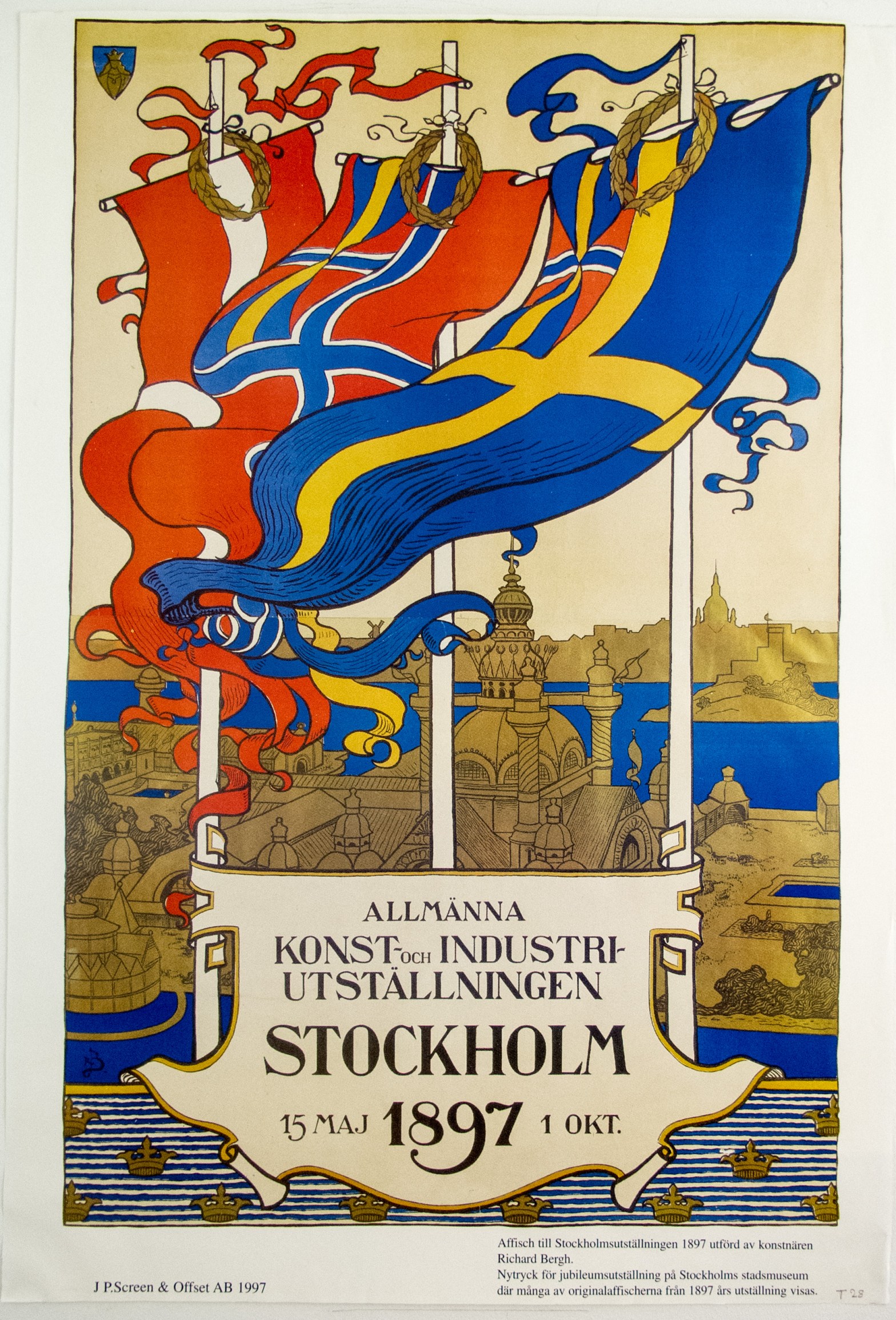
Featured image: Poster for the General Art and Industry Exhibition in Stockholm 1897 (licensed CC BY-SA 4.0). While this poster from the 19th century shows a different political reality, it can be veiwed as a good illustration of the continued entanglement of the Nordic nation states.
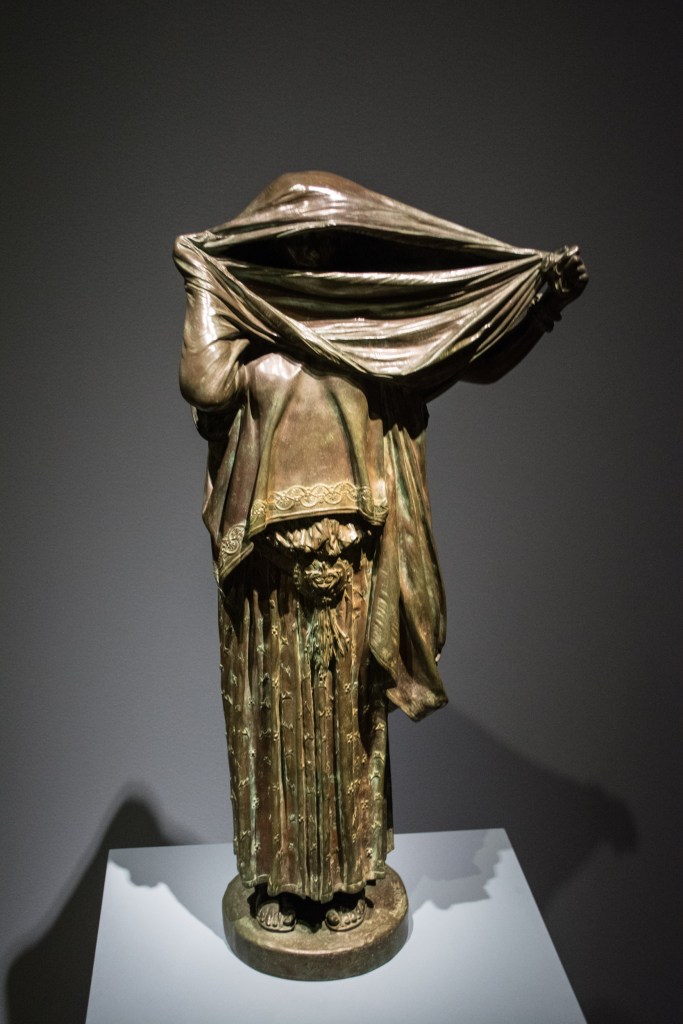
Should we consider the privacy of people in the past? Is the concept relevant, or applicable? Is privacy only a concern for the living in our contemporary moment – so obsessed by the boundary between the personal and the private in a constantly marketing and sharing economy, or is privacy a more universal human right? What duties do we have to past persons (to paraphrase the excellent PhD thesis by Malin Masterton)?
Woman With Veil – Cleveland Museum of Art (33666109413).jpg” by Tim Evanson from Cleveland Heights, Ohio, USA is licensed under CC BY-SA 2.0.
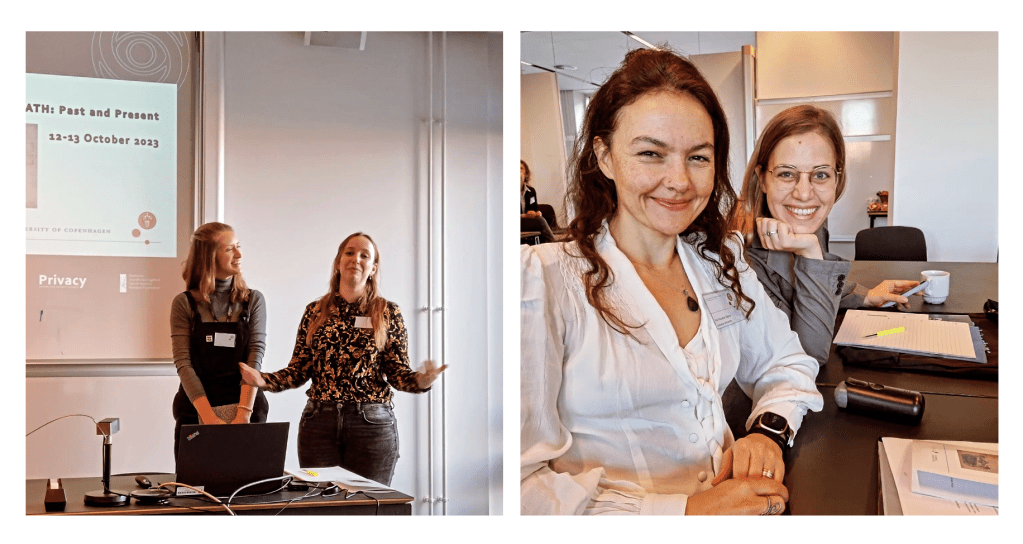
October 12-13, 2023 Ethical Entanglements participated in a conference at the Center for Privacy Studies at the University of Copenhagen, called Privacy and Death: Past and Present. The conference was interdisciplinary, with contributions from history, classics, archaeology, theology, law, and ethnography, and explored a range of issues touching on the broader issues of privacy and death. Ethical Entanglements contributed with two papers: Nicole Crescesnzi presented the paper: Human Remains and Privacy – a Contemporary Bias? and Liv Nilsson Stutz and Rita Peyroteo Stjerna presented The New Frontiers of Postmortem Privacy: Negotiating the Research Ethics of Human Remains in the Era of the Third Science Revolution in Archaeology.
Left: The organisers of the conference Felicia Fricke and Natacha Klein Käfer welcome the attendants. Right: Rita Peyroteo Stjerna and Nicole Crescenzi before their presentations. Photos by Liv Nilsson Stutz.
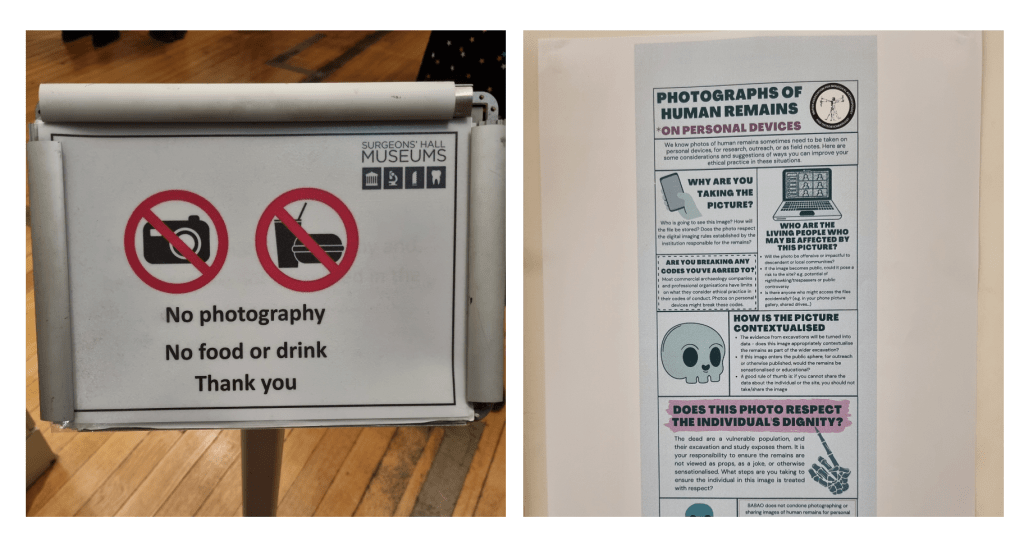
The privacy of old human remains is an issue that tends to lie at the periphery of our debates. There is rarely any explicit discussion about it, but we increasingly see the emergence of professional practices that may indicate a growing consideration, albeit almost invisible. One example of this is how human remains today, sometimes, are blurred in public presentations. If you are a regular reader of this blog, you may have noticed that we also do this from time to time. Another is the signage that is becoming more common, especially in anatomical and pathological exhibitions, of a no photography policy. It is quite possible that there are multiple reasons for this, and it is rarely explicitly stated that this is to protect the privacy of the dead, but it speaks of an awakening sensibility. In some rare cases, as shown below (right) in the signage at the Anatomical Museum at the University of Edinburgh, the sign elaborates on the reason, and in the process, it triggers reflection and raises awareness. In this context it is an explicit and integrated part of the university training of future professionals working in the field, but perhaps this would be useful also in more public exhibitions.
Signeage restricting photography of human remains. Left: at Surgeon’s Hall in Edinburgh, and Right: in the Anatomical Museum at the University of Edinburgh. Photos by Liv Nilsson Stutz.
These types of signs are much more rare, and perhaps even non existent in archaeological exhibitions, demonstrating yet again the gradual move on the spectrum of lived life toward object of science with the age, state of preservation, and disciplinary categorisation of the specimen. Sometimes a sense of respect and dignity is alluded to in the ways in which the human remains are exhibited also in archaeological museums, for example through separation to a reserved space, and dimmed lighting. However, the topic is very rarely addressed head on, and if anybody’s sensitivities are considered in archaeological and historic exhibitions, it is in general the contemporary visitor’s. Nicole Crescenzi’s work on the public’s reception of these types of exhibitions across Europe shows that there are multiple ways in which the exhibition is experienced.
The conference raised many important issues, and several fascinating talks on topics from problematic collections to contemporary mourning practices, that all led to stimulating discussions. For Ethical Entanglements is was especially interesting to see the overlaps of concerns and shared challenges in the keynote address by legal scholar Edina Harbinja entitled An Uneasy Relationship Between Post-mortem Privacy and the Law. She defines post-mortem privacy broadly as the right of a person to preserve and control what becomes of his or her reputation, dignity, secrets, or memory, after death (see also Edwards and Harbinja 2013). While Dr Harbinja’s work is focused on the contemporary digital world, the fundamental questions it raises concern, in our opinion, also the long dead and research ethics in our fields. She proceeded to introducing the term of post-mortal privacy which protects informatised bodies expressed, stored, mediated, and curated through technology – as an immortality by proxy. In our contemporary world this refers to images shared and data stored online and in cloud services and on platforms held by private companies. But, what about the research data we extract from old human remains and share as part of our research activities? These issues relate immediately to the presentation by Liv Nilsson Stutz and Rita Peyroteo Stjerna on the attitudes to postmortem privacy in bio-molecular archaeology, and where Rita’s work, collecting data through interviews with scientists working in the fields, shows both a need and a desire for more thorough professional ethical development in this emerging and constantly changing field.
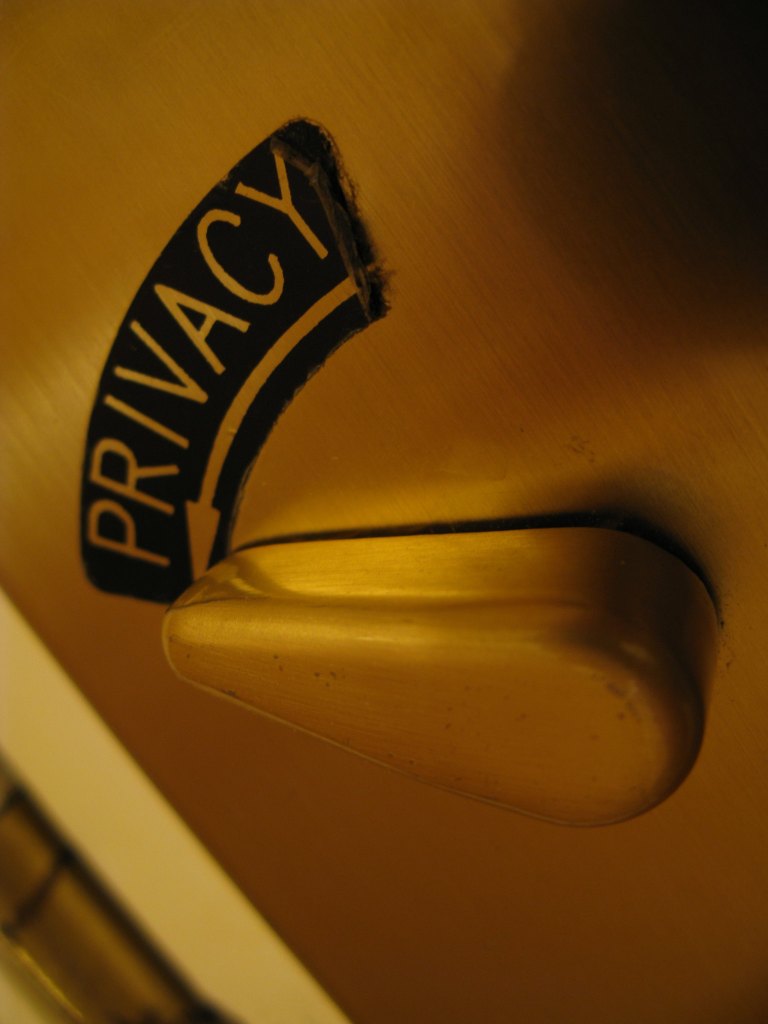
Can we turn the key to protect private data from spreading – and if we do, does that not violate standards for good scientific practice?
Can we turn the key to protect private data from spreading – and if we do, does that not violate standards for good scientific practice? The challenge, of course, is to determine what such a new practice might look like. With multiple ethics at stake, and with best practices sometimes in complete conflict with one another – for example Open Data vs respect for post-mortem/post-mortal privacy, the challenge is complex. Ultimately we come back to the same question: who still counts as a person enough to deserve this kind of consideration. The answer is not obvious.
“Privacy” by rpongsaj is licensed under CC BY 2.0.
The work also has interesting relevance for thinking about museums. Through her research, Dr Harbinja could see that a lot of the progress to think through and identify solutions on behalf of social media platforms such as Facebook, with regards to post-mortem privacy, emerged ad hoc. Somebody in the company started to think about this as they experienced the death of a client who was also a loved one – for example a parent. It struck me that there is a similarity here between the social media giants and museums: they both store sensitive and valuable things, they have inward facing and outward facing responisbilities, and – they both react ad hoc. It is a learning process, but it is also one that in the very moment teaches you to be better prepared the next time if you want to be able to serve your stakeholders well.
Featured image: “PRIVATE NO ENTRY” by Brad Higham is licensed under CC BY 2.0.
When we discuss ethics with regards to human remains in archaeology and history, we tend to focus on the present, its challenges, its needs, and its sensibilities. How to best care for human remains in museums and research is indeed the fundamental question for Ethical Entanglements. But, what about in the past? How did people in the past feel about opening tombs and graves; how did they practice exhumation, what did they think about it, and what debates surrounded this practice? How can the insight into past experiences, values, and practices, be helpful tools as we encounter historic human remains in the present?
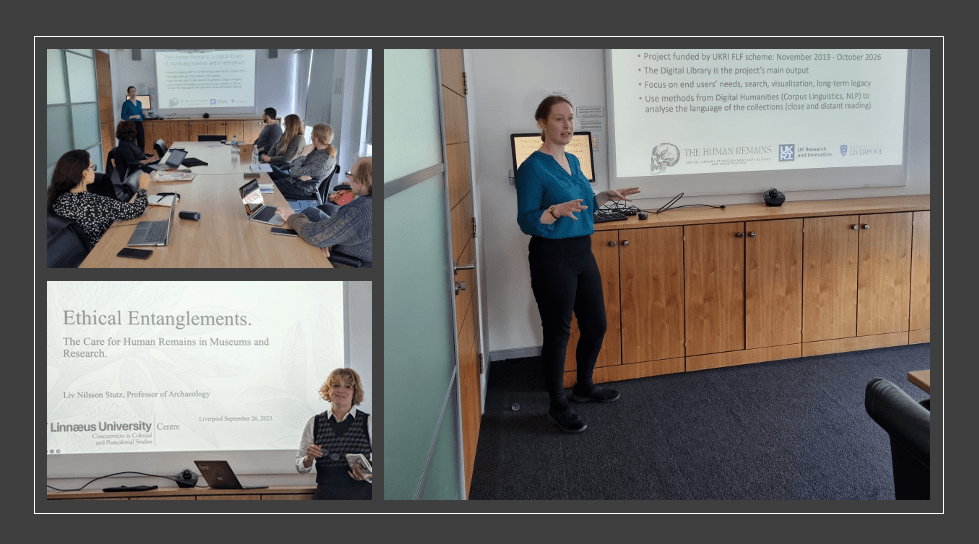
Presentations and discussions with the project teams of The Human Remains and Ethical Entanglements at the University of Liverpool. Photos by Liv Nilsson Stutz and Rita Peyroteo Stjerna.
This impressive research project aims at investigating the history of exhumation, investigation, reburial, and recording of human remains from Christian contexts in Britain from the 7th to the 19th century. The project creates a corpus of knowledge and references that will be of great value, both for interdisciplinary academic scholarship for anybody interested in historical practices and attitudes to death, the body, decay, the afterlife, etc – but also as a support for professionals working in contexts where they encounter historical human remains from Christian contexts, including museum professionals, contract archaeologists, and cathedral managers and workers.
On September 26, the Ethical Entanglements Team had the pleasure to spend an afternoon with The Human Remains Team (Ruth Nugent, James Butler, Glenn Cahilly-Bretzin, Katherine Foster, and Thomas Fitzgerald). After a general introduction of the two projects by the PI:s, we launched into a discussion on a range of topics where we found that the two projects share overlapping research interests, including asking what it means to treat human remains “with respect,” and how our research can best support decision makers today in their encounter with human remains – whether it is people working in contract archaeology, cathedrals, or museums. We also discussed how the context may affect the professional ethics and reflection, and what one context can learn from the other. Our conversations explored how to handle contemporary anxieties around human remains, and the elusive yet central concept of “respect” with regards to historic collections and professional ethics.
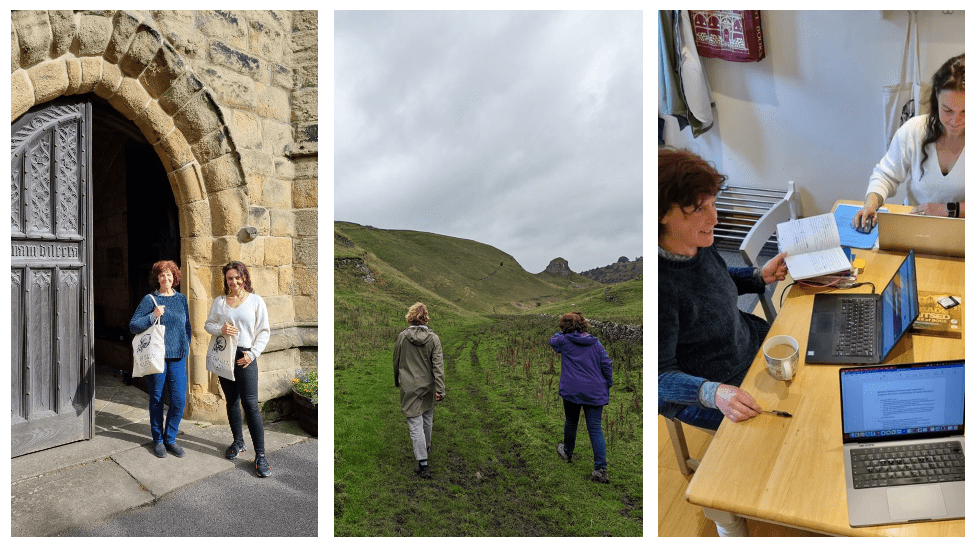
Left to right: Sarah and Rita in front of the church in Tideswell; Liv and Sarah on the path to the gibbet site at Peter’s Stone – a prominent feature in the landscape of Cressbrook Dale in Derbyshire; Sarah and Rita writing at the cottage in Tideswell. Photos by Liv Nilsson Stutz and Rita Peyroteo Stjerna.
After the visit at the University of Liverpool, the Ethical Entanglements team spent a few days on a writing retreat in the Peak District. Between writing sessions at our small cottage in Tideswell, we made visits to local sites that inspired us to think about several dimensions of past practices. At the the beautiful local church in Tideswell we saw a small but dynamic church community that, as indicated by large fundraising signs posted in the church yard, struggled to make ends meet as they cared for both a living community and a rich cultural heritage. If you are dealing with the considerable financial burden of keeping up your historic church buildings, the care for the dead buried in the church yard, under the floors, and potentially elsewhere, is presumably a factor you must always consider, and one that is not always easily solved. A visit to the historic gibbet site Peter’s Stone in Cressbrook Dale inspired us to think about the historic practice of extending criminal punishment beyond death to affect the corpse through violence and humiliation, a topic Sarah has written extensively about in her book (with Emma Battell Lowman) Harnessing the Power of the Criminal Corpse. While local history and folklore seems to offer different accounts in the details, the corpse of a murderer was gibbeted here after being hanged for the crime of murder. A quote form “Worm Hill – the History of a High Peak Village” by Christopher Drewry sums up the economy of death and punishment, the public spectacle of the gibbeting as meaningful (and popular) cultural practice, and the landscape of dread that would have been at least part of the characteristic of places like these (see also The Landscape of the Gibbet by Sarah Tarlow and Zoe Dyndor 2015):
The costs of this horrendous ritual were not insubstantial – £31-5-3 for the investigation leading up to the arrest; £53-18-8 for the gibbeting and £10-10-0 for the gaoler and escort from Derby to Wardlow. Such was the public fascination with the event however that the vicar of Tideswell found none of his congregation in church on the day of the gibbeting but all of them and more at Wardlow where he took the opportunity of delivering a sermon of fire and brimstone under the gallows. Lingard’s skeleton is alleged to have hung on the Wardlow Mires gibbet in chains until it was finally removed 11 years later on 20th April 1826 after complaints about the gruesome chattering of the bones in the wind. The site of this hanging would have been the so-called Gibbet Field at Wardlow Mires where other hangings are reputed to have taken place earlier, including one of a notorious highwayman called Black Harry who was finally apprehended in Stoney Middleton Dale in the 18th century.
Beyond the contextual, there is something here – something about how despite the fact that gibbeting was a sanctioned cultural practice, also teaches us that even across that cultural divide, there was a line that was being crossed. Deliberately.
In addition to providing a beautiful walk, this place provides a concrete experience to think about the passing of time and the changes in culture, and inspires us to reflect if there is such a thing as an ethical fixed point to provide support as we reflect on what it means to be ethical when handling old human remains.
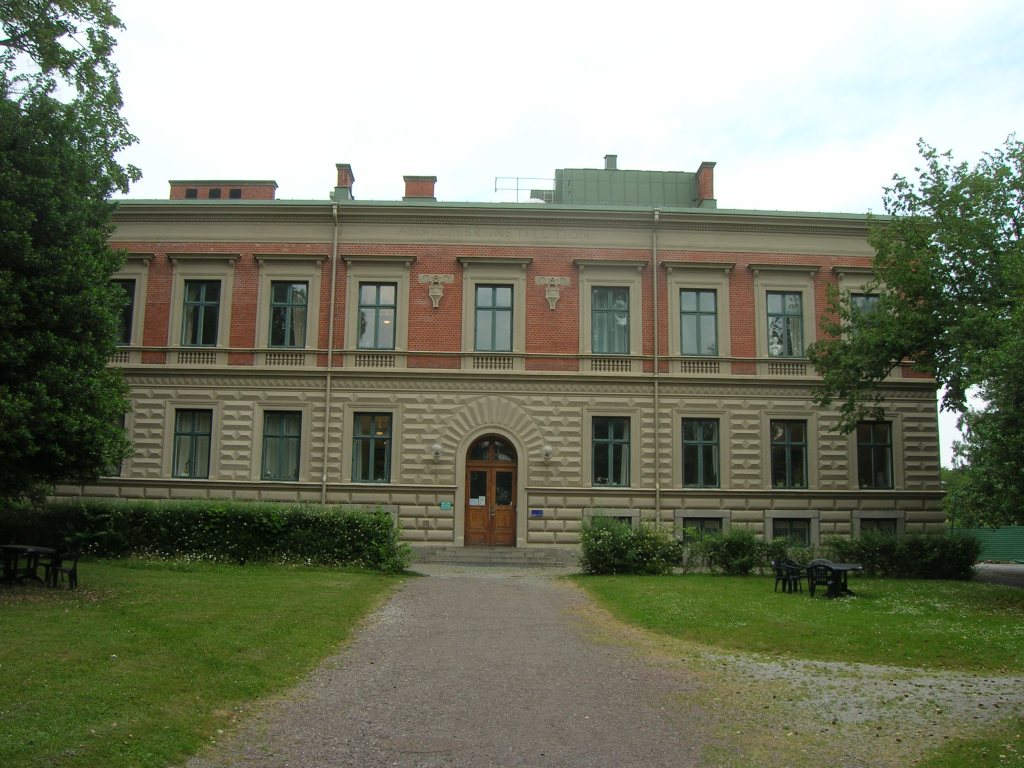
Featured images: Left: Walking toward Peter’s Stone; and Right: the Red Brick Building at the University of Liverpool, photos by Liv Nilsson Stutz and Rita Peyroteo Stjerna









 Ethical Entanglements